Getting your driver’s license in Texas requires completing the TLSAE course first. This online safety course covers everything from traffic laws to defensive driving, and it’s a mandatory step before you can apply for your permit or license.
At DriverEducators.com, we help thousands of students understand exactly what TLSAE course requirements mean for their licensing timeline. This guide breaks down eligibility rules, course content, and how to get enrolled with an approved provider.
Who Needs to Take TLSAE and When
Age and Eligibility Requirements
Texas law requires anyone applying for a learner’s permit or driver’s license to complete the TLSAE course first. This applies to all first-time applicants under age 25, with no exceptions. If you’re 25 or older, you can skip TLSAE and go straight to the written test at the DMV.
Most teens and young adults must complete this six-hour course before scheduling their permit exam. The Texas Department of Public Safety mandates this requirement because graduated licensing reduces teens’ driving risk, according to research from the Insurance Institute for Highway Safety.
You must be at least 14 years old to enroll in TLSAE, though you can’t apply for your permit until age 15 in most cases. Texas residency isn’t explicitly required to take TLSAE, but you do need to provide a valid Social Security number or an Individual Tax Identification Number during enrollment.
Residency and Documentation
Out-of-state residents can complete the course, though they’ll eventually need to provide proof of Texas residency when applying for the actual license. The DMV accepts TLSAE certificates from any Texas-approved provider, so your choice of where to take the course won’t affect your eligibility.
Certificate Validity and Processing Timeline
The TLSAE course must be completed before you can apply for your learner’s permit. You’ll receive your course completion certificate immediately after finishing all six hours, and this certificate remains valid for a specified period from the completion date.
The Texas DMV reports that the average processing time between course completion and permit issuance is about one to three business days once you apply. Many students take TLSAE too early, then forget about it when they’re ready to get their permit months later.
Optimal Timing for Course Completion
Complete the course within four to six weeks of when you plan to visit the DMV for your permit application. This timing keeps everything fresh in your mind and prevents the common scenario where students complete the course, then wait several months and must restart because they procrastinated on the permit application itself.
Now that you understand who must take TLSAE and when to complete it, the next step involves understanding what actually happens inside the course itself.
What You’ll Learn in TLSAE
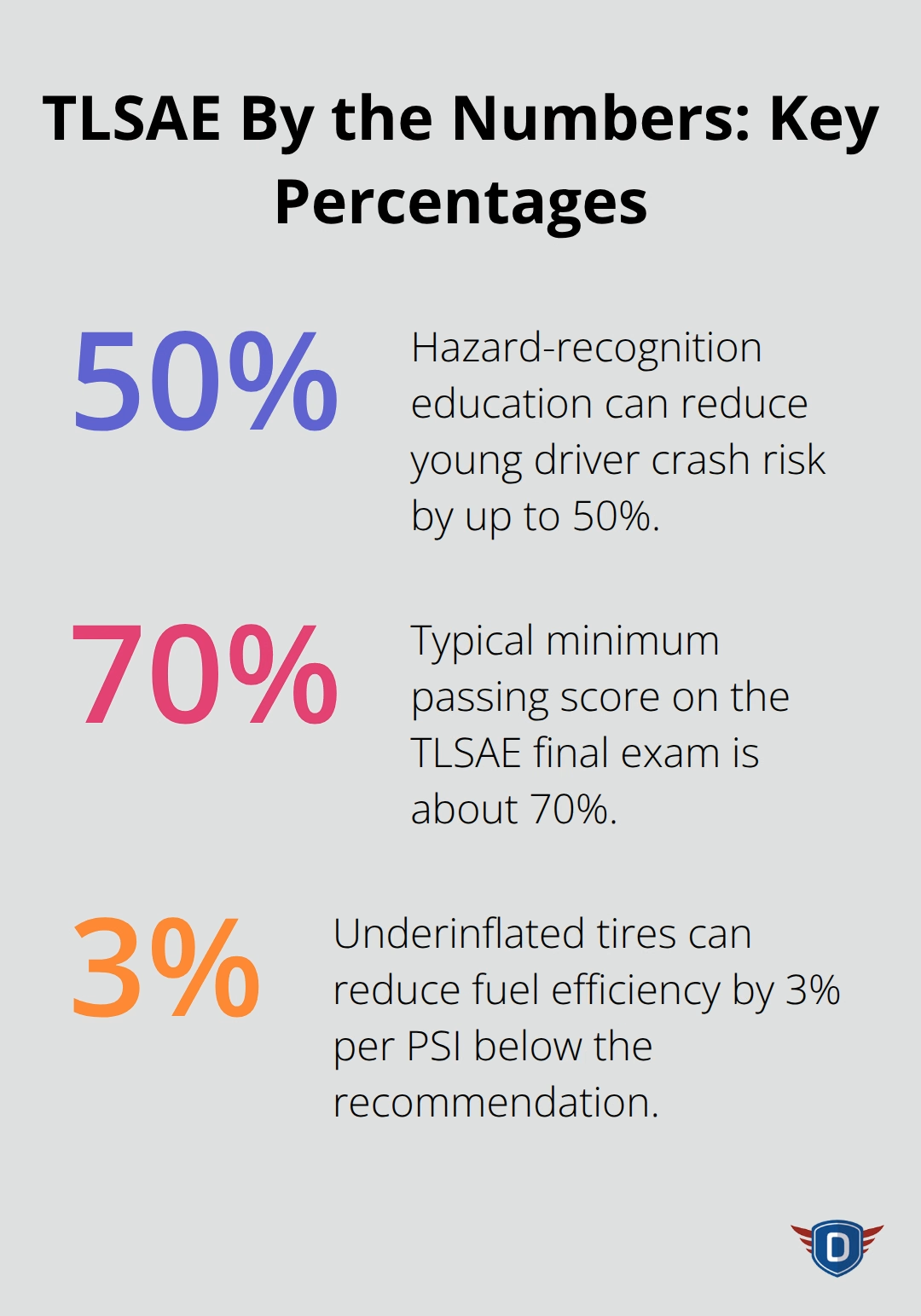
The TLSAE course spans six hours and covers three core areas that directly impact your ability to pass the permit test and drive safely. Traffic laws change frequently, and the course material reflects current statutes you’ll encounter on your exam. The National Highway Traffic Safety Administration reports that driver education focusing on hazard recognition reduces crash risk by as much as 50% among young drivers, which is why Texas mandates this specific content structure.
Traffic Laws and Road Signs
Traffic laws make up the largest portion of your TLSAE course, and you need to know them cold before test day. You’ll study right-of-way rules, speed limits in different zones, proper use of traffic signals, and what Texas considers reckless driving. The course covers specific scenarios like what to do at a four-way stop, how to handle school zones, and penalties for violations like texting while driving (which carries fines up to $99 in Texas).
Road signs get their own section because misidentifying a sign on your permit test means an automatic wrong answer. You’ll memorize the difference between regulatory signs (rectangular, usually white), warning signs (diamond-shaped, yellow), and informational signs (rectangular, green or blue). The Texas DMV test includes at least 10 questions directly about traffic laws and road signs, so this material determines whether you pass or fail.
Defensive Driving Techniques
Defensive driving techniques teach you how to anticipate problems before they happen. You’ll learn the two-second rule for following distance, which means staying two full seconds behind the car in front of you at normal speeds and four seconds in bad weather. The course explains how to scan the road ahead instead of staring directly in front of your vehicle-a habit that catches hazards earlier.
You’ll study what to do when your brakes fail, how to recover from a skid, and why speed adjustment matters more than steering in emergency situations. These skills form the foundation of crash avoidance and help you react correctly when unexpected events occur on the road.
Vehicle Safety and Maintenance Basics
Vehicle safety and maintenance basics round out the curriculum with practical knowledge you’ll use every time you drive. You’ll learn that underinflated tires reduce fuel efficiency by 3 percent for every pound per square inch below the recommended pressure, according to the U.S. Department of Energy. The course covers tire pressure checks, brake fluid levels, and what dashboard warning lights mean.
You’ll learn when windshield wipers need replacement and how to check your headlights and taillights before driving. This practical knowledge prevents breakdowns and accidents, keeping you and your passengers safe on Texas roads.
Understanding what TLSAE covers prepares you for the actual enrollment process and helps you know what to expect when you start the course.
Getting Started With TLSAE Enrollment
Choosing an approved TLSAE provider matters more than most students realize because not all providers deliver the same experience or speed. Texas allows dozens of licensed companies to offer TLSAE, but quality varies significantly. We recommend checking whether a provider completes the DMV reporting automatically rather than requiring you to submit your certificate manually, which adds unnecessary steps and delays. Look specifically for providers that issue certificates immediately upon completion and handle state reporting electronically. This matters because delayed reporting can push back your permit application timeline by several days. The Texas Department of Public Safety maintains an official list of approved providers on their website, so verify any course you’re considering appears there before enrolling.
Selecting a Provider That Fits Your Schedule
Online TLSAE courses offer flexibility that classroom settings cannot match, but this freedom creates a common problem: students procrastinate and rush through the material. The six-hour requirement doesn’t mean you must sit for six consecutive hours. Most providers allow you to pause and resume the course over several days, which actually improves retention. Research shows that spaced learning produces better long-term recall than cramming, so spreading your TLSAE completion across three or four sessions outperforms finishing it all at once. You can log in during evenings or weekends without attending specific class times. Some providers lock you into a live session schedule, which defeats the purpose of online learning. Avoid those providers and stick with self-paced options that let you control when and where you study.
Automatic DMV Reporting Saves Time
Your certificate arrives immediately after you complete the final exam and pass with a passing score (typically 70 percent or higher). The critical difference between providers shows up here: some issue certificates that you must print and carry to the DMV yourself, while others upload your completion directly to the Texas DMV database. Direct reporting eliminates the risk of losing your certificate or forgetting to bring it to your appointment. The DMV can verify your completion electronically within hours of finishing the course if your provider handles reporting correctly. When you arrive for your permit test, the examiner checks their system and confirms your TLSAE status instantly. This electronic verification takes seconds and prevents the frustration of showing up unprepared. Always confirm with your provider before enrolling whether they handle DMV reporting automatically or if you bear responsibility for submission.
Final Thoughts
Completing TLSAE course requirements marks the start of your journey toward becoming a licensed Texas driver. You now understand who must take the course, what material you’ll encounter, and how to enroll with a provider that won’t waste your time. The six-hour investment pays dividends when you walk into the DMV prepared and confident.
After you finish TLSAE and receive your certificate, schedule your learner’s permit appointment immediately while the course material remains fresh in your mind. Waiting weeks or months between completion and your DMV visit forces you to review everything again, which defeats the purpose of spacing your learning across multiple sessions. Bring your certificate or rely on your provider’s electronic reporting to verify completion instantly.
Once you hold your learner’s permit, you’ll practice driving under supervision before taking your road test (this practical experience matters far more than any online course). The defensive driving techniques and hazard recognition skills from TLSAE become muscle memory through repetition on actual roads. We at DriverEducators.com understand that navigating TLSAE course requirements and driver education can feel overwhelming, and DriverEducators.com provides the guidance and support you need to succeed.