Guided practice with teens is where real driving skills develop. Parents who structure these sessions properly see measurable improvements in their teen’s confidence and safety on the road.
At DriverEducators.com, we’ve found that the difference between teens who have strong foundational skills and those who don’t comes down to how their practice sessions are organized. This post walks you through exactly how to set up effective guided practice that actually works.
Why Guided Practice Actually Reduces Teen Crashes
Teen drivers have fatal crash rates about three times higher per mile driven than drivers 20 and older, according to the CDC and NHTSA. The first year of independent driving is especially dangerous-16-year-olds experience crash rates roughly 1.5 times higher than 18-19-year-olds. A University of Nebraska study revealed that teens who skipped driver education received 75% more moving violations in their first year and were 24% more likely to be involved in a crash causing injury or death compared to those with structured training.
Guided practice sessions directly address this risk. Parents who structure these sessions with clear progression from simple to complex driving scenarios compress the learning curve that typically takes months of solo mistakes.
The Data Behind Structured Practice
Research from the University of Pennsylvania and Children’s Hospital of Philadelphia found that 16-year-olds who received formal driver education had 27% fewer crashes in the first two months of independent driving. Graduated Driver Licensing systems, which combine classroom instruction with supervised practice, can reduce teen crash risk by as much as 50% according to NHTSA.
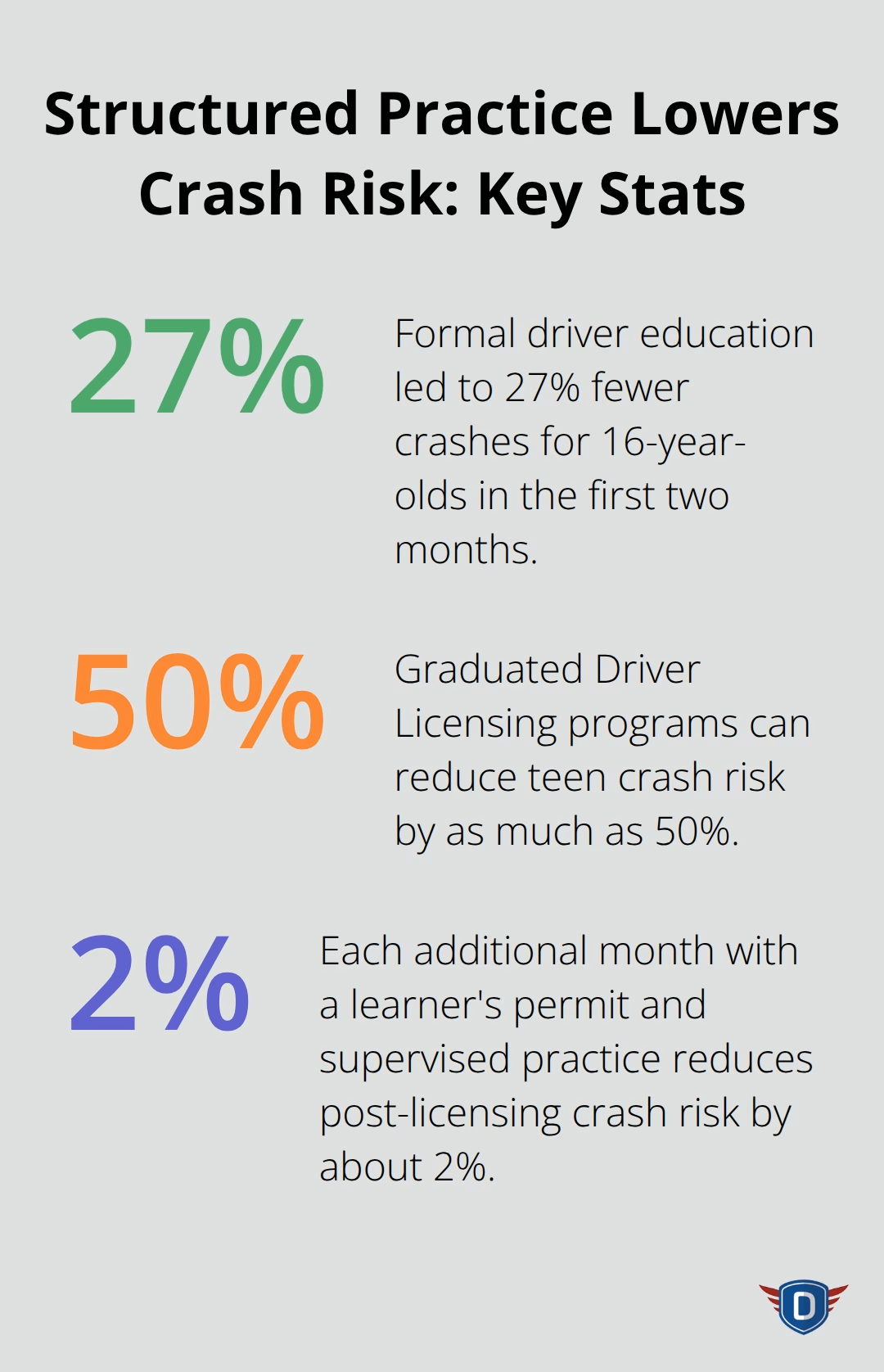
The Nebraska study also showed that each additional month a teen maintains their learner’s permit with supervised practice reduces post-licensing crash risk by about 2%. This means 50 hours of guided practice sessions spread over six months creates measurably safer drivers than rushing to licensure.
In 2024, 2,320 teens aged 15-18 were killed in crashes, with 51% unbuckled. This demonstrates that teens who lack foundational safety habits pay with their lives.
Building Habits That Stick
Guided practice creates lasting safety behaviors that persist into adulthood. Teens who log consistent practice hours develop automatic responses to hazards, proper mirror-checking intervals every 5-8 seconds, and instinctive seat belt use before driving anywhere.
Professional instruction combined with parental oversight teaches hazard anticipation and defensive positioning that solo practice cannot replicate. The habits formed during these structured sessions-maintaining 3-second following distances, recognizing distracted drivers, managing distractions-become automatic rather than forced compliance.
Teens who complete formal programs show sustained safety advantages, not just in year one but through their early driving years.
What Happens Without Structure
Teens who skip formal instruction face real consequences. The Nebraska data showed these teens received 24% higher injury-or-death crash rates in their first year compared to trained peers.
Without structured guidance, teens repeat the same mistakes repeatedly instead of learning from correction. They develop poor habits (inadequate mirror checks, unsafe following distances, distraction tolerance) that persist long after licensure.
FAQ
What is guided practice for teen drivers?
Guided practice means supervised driving sessions where a parent or instructor teaches specific skills in a structured way, progressing from simple to complex scenarios.
How much guided practice do teens need?
Most states require 50 hours of supervised practice before licensure. Research suggests this amount, spread over 6 months rather than compressed, yields the best safety outcomes.
Does guided practice actually prevent crashes?
Yes. Studies show teens with structured practice have 24-27% fewer crashes in their first year of independent driving compared to those without formal instruction.
Can parents do guided practice without professional instruction?
Parents can conduct effective practice sessions, but pairing home practice with professional driver education produces the strongest safety results.
What age should guided practice start?
Most states allow learner’s permits at 15-16. Guided practice should start as soon as your teen has their permit, not when they’re ready for their license.
How to Structure Practice Sessions That Actually Build Skills
Start With Vehicle Familiarization
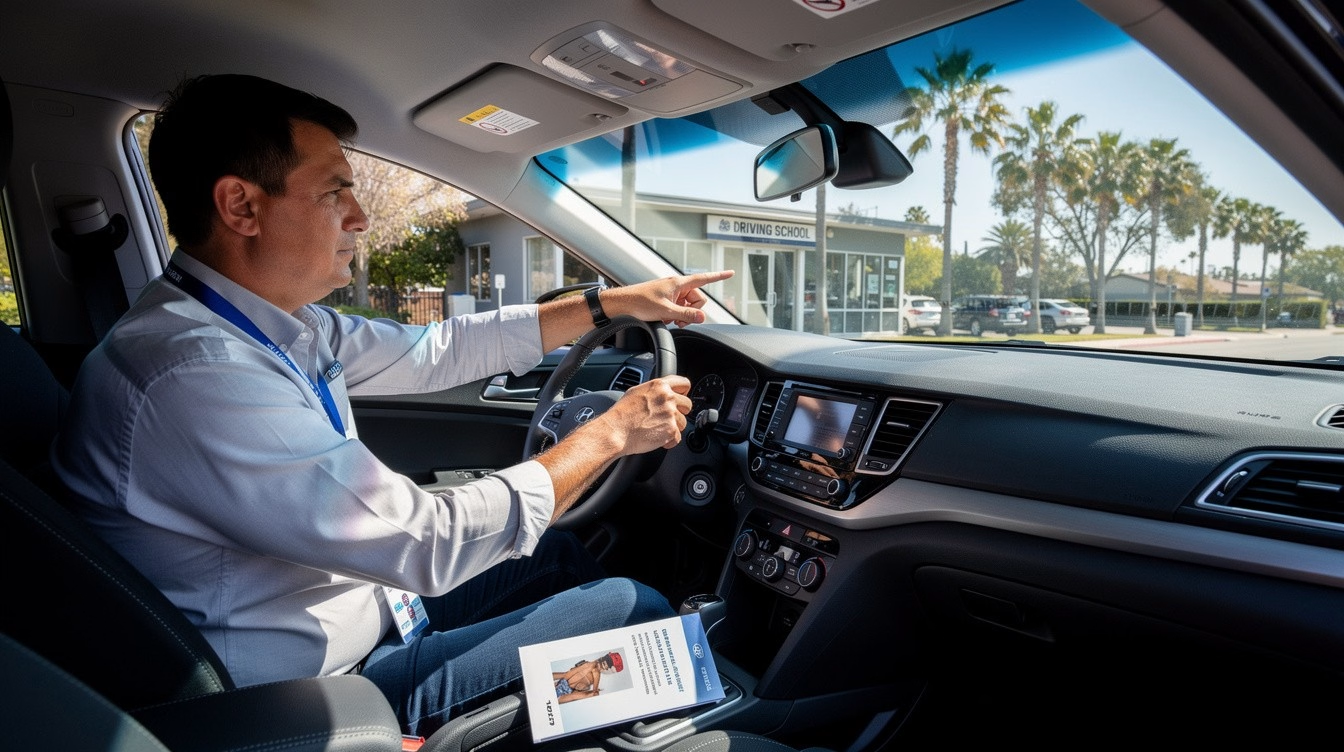
Your teen needs to master basic controls before moving anywhere. Adjust the seat, mirrors, and steering wheel to proper position, then walk through dashboard indicators, headlights, turn signals, wipers, and climate controls. This 5-10 minute foundation reduces anxiety and establishes safety awareness from the start.
Many parents skip this step and jump straight to driving, which forces teens to multitask basic controls with road awareness. Spend time here. Once your teen can locate and operate every control without looking, you’re ready to move to an empty parking lot.
Begin in Controlled Environments
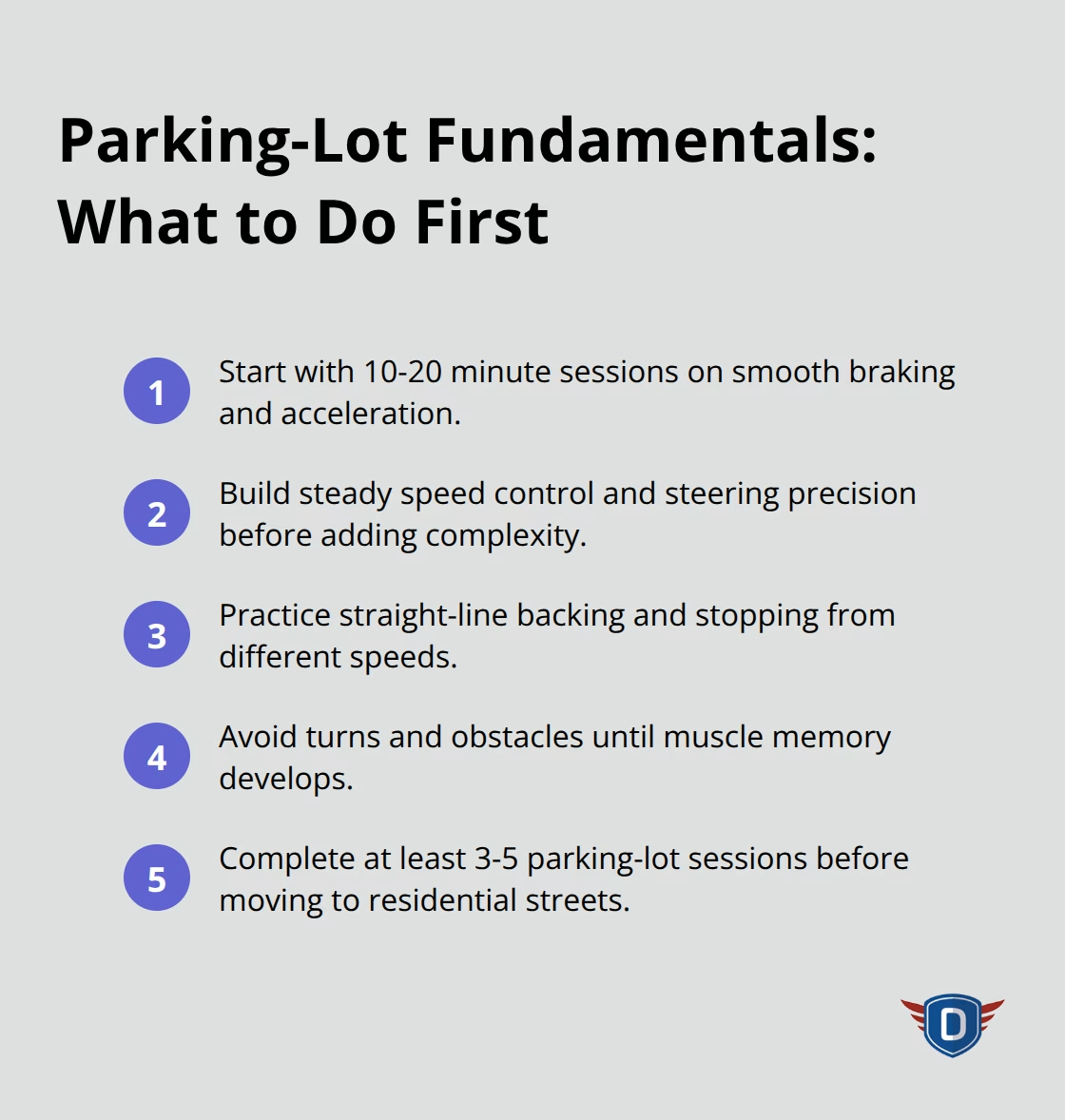
Empty parking lots are where fundamentals develop. Spend 10-20 minute sessions on smooth braking and acceleration, steady speed control, steering precision, and basic backing. Your teen should practice stopping from different speeds, accelerating smoothly without jerking, and maintaining straight lines before anything else happens.
Don’t introduce turns or obstacles yet. The goal here is muscle memory for the pedals and steering wheel. Most parents add complexity too fast. Resist that urge. Spend at least 3-5 sessions in a parking lot before moving to residential streets.
Research shows that teens who spend more time on fundamentals before road driving have lower first-year crash rates. This foundation matters more than rushing to real roads.
Progress to Quiet Streets, Then Real Traffic
After parking lot mastery, move to quiet residential streets where your teen encounters stop signs, turns, and light traffic. Focus on one skill per session: proper lane position in one session, right-of-way at four-way stops in another, smooth turns in a third.
Introduce mirror checks every 5-8 seconds as a conscious habit during this phase. Don’t combine multiple new skills in one session. Once residential streets feel comfortable, add slightly busier roads with more traffic density but still manageable conditions.
Only after your teen demonstrates consistent hazard awareness and smooth vehicle control should you introduce multi-lane roads or highways. Research shows that teens with gradual progression in driving practice have significantly lower crash rates during their early independent driving compared to those rushed through licensing.
Set Specific Goals Before Each Session
Before every practice drive, announce exactly what you’re working on that day. Instead of saying we’re going driving, say we’re practicing smooth lane changes on Oak Street with a focus on mirror checks and signaling.
Write down the specific skill and review it when you return. This clarity prevents wandering practice where your teen drives aimlessly without learning anything particular. Each session should target one or two skills maximum (longer sessions create fatigue and reduced learning).
Fifteen to twenty minute focused sessions beat hour-long unfocused drives every time. Document what went well and what needs work in a simple practice log. This log shows your teen measurable progress and helps you plan the next session logically.
Night Driving and Weather Practice Require Deliberate Planning
Night driving should only start after daytime confidence is solid. Begin with familiar residential streets in darkness before attempting busier roads or highways at night. Your teen’s depth perception and peripheral vision work differently in low light, so don’t assume daytime skills transfer directly.
Rain and wet roads demand separate practice too. Start on familiar routes at lower speeds, focusing on gentler braking and understanding how stopping distances increase on slick surfaces. Avoid standing water and puddles entirely during initial wet-weather practice.
Highway driving comes last, only after your teen handles multi-lane roads competently. Merging at speed requires different judgment than surface streets, so introduce this skill slowly on less-congested highway sections during low-traffic hours. Once your teen masters these foundational scenarios, you’re ready to address the mistakes that derail most parent-led practice sessions.
FAQ
What should the first practice session cover?
Vehicle familiarization and basic controls in a parking lot. Spend 10-20 minutes on smooth acceleration, braking, and steering before attempting any road driving.
How long should each practice session last?
Fifteen to twenty minutes works best. Longer sessions cause fatigue and reduce learning effectiveness.
When should highway driving start?
Only after your teen demonstrates consistent control on residential and multi-lane surface streets. This typically takes 30-40 hours of practice.
Should night driving practice happen early or late in the learning process?
Late. Night driving should start only after daytime confidence is solid on familiar streets.
How do I know when my teen is ready to progress to the next level?
Consistent execution of the current skill without prompting indicates readiness. If your teen forgets to signal or check mirrors regularly, more practice is needed before advancing.
Common Mistakes Parents Make During Guided Practice Sessions
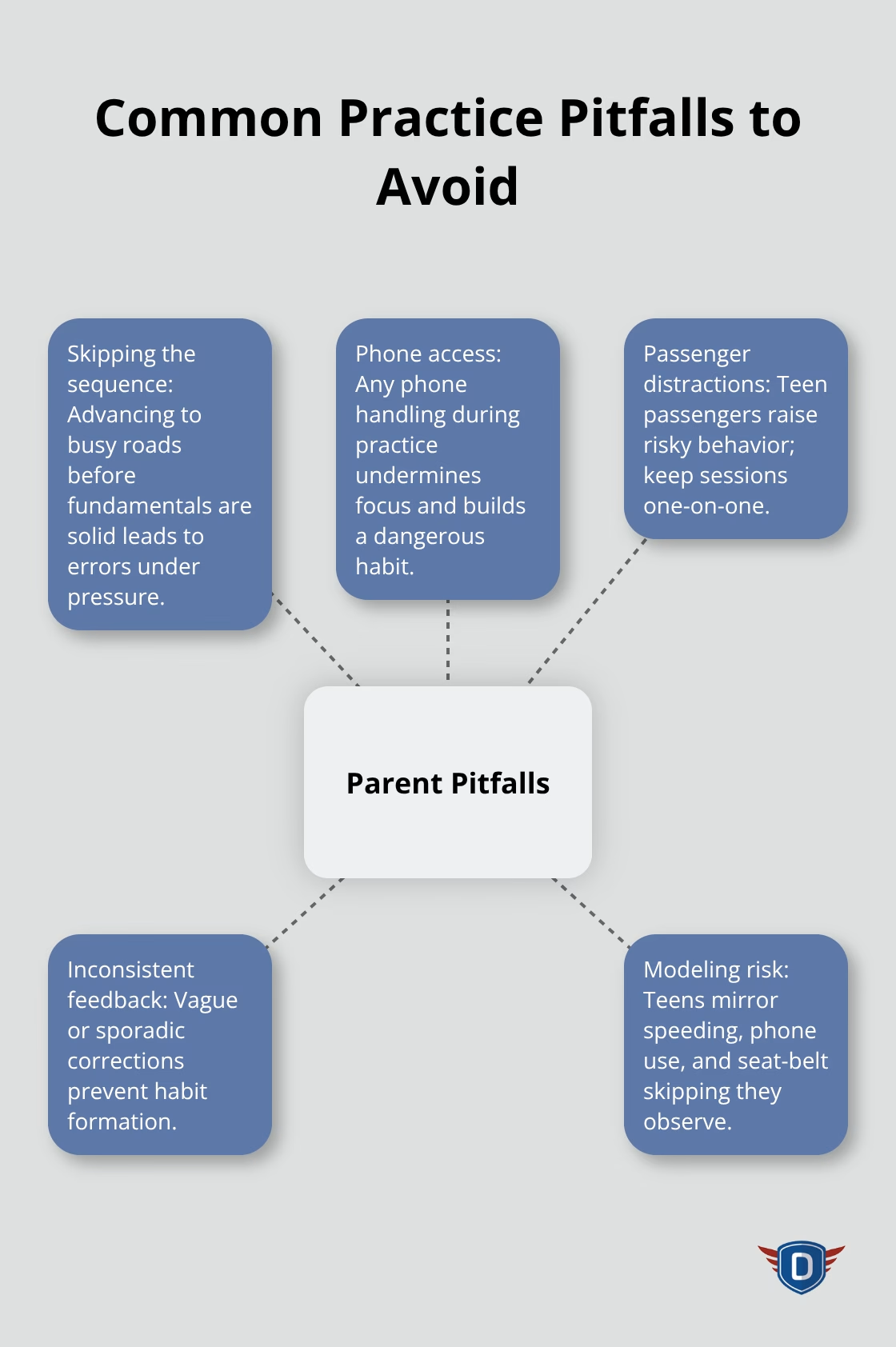
Most parents hand over too much driving responsibility before their teen masters the fundamentals, and this timing mistake creates crashes. A Liberty Mutual and SADD study found that 41% of teens say parent modeling of unsafe driving behaviors influences their own choices, meaning your teen watches you exceed speed limits, check your phone, or skip seat belts, then copies those exact behaviors during their own driving.
You cannot expect your teen to maintain focus on hazard awareness and smooth vehicle control while also managing passengers, darkness, or highway speeds if they haven’t logged sufficient hours on simple tasks first.
The Progression Must Stay Strict
The sequence cannot shift based on your teen’s confidence or your fatigue. Parking lot basics require 5–10 sessions before quiet residential streets. Quiet residential streets need 15–20 sessions before busier roads. Busier roads demand another 15–20 sessions before night driving or highways appear. Rushing this sequence because your teen seems confident or because you’re tired of practice sessions guarantees poor decision-making when they drive alone.
Phone Use and Passenger Distractions Derail Most Sessions
Phone use and passenger distractions are the second major failure point, and parents often fail to enforce these restrictions consistently. Research from NHTSA shows that texting while driving crash risk increase significantly, and about one in three teens who text have texted while driving. Your teen needs zero phone access during practice-not airplane mode, not hands-free, not checking one message. The habit of reaching for a phone must never form.
Passengers significantly raise teen crash risk, with one teen passenger increasing risky behavior by 2.5 times and multiple teen passengers raising it to 3 times. During guided practice, your teen should drive alone with only you present, no siblings, no friends. Once licensed, enforcing passenger limits under your state’s Graduated Driver Licensing restrictions requires constant vigilance because teens will push boundaries if you let them.
Inconsistent Feedback Prevents Habit Formation
The third mistake is inconsistent feedback, where parents correct one mistake during a session but ignore the same mistake later, or they provide vague corrections like “you’re too close to that car” instead of specific instruction like “maintain a 3-second gap by counting the seconds after the car ahead passes a road sign.” Your teen’s brain needs clear, immediate feedback paired with explanation of why the correction matters.
If your teen fails to signal during one turn and you say nothing, they’ll assume signaling isn’t important. Document specific feedback in a practice log so you stay consistent across sessions and your teen sees measurable progress in their execution of skills.
FAQ
What’s the biggest mistake parents make during practice sessions?
Allowing too much freedom before foundational skills are solid. Rushing from parking lots to highways skips critical learning phases and increases crash risk.
How should parents enforce phone restrictions during practice?
Complete phone removal, not airplane mode. Your teen should not handle the phone at all during guided practice sessions.
Why is inconsistent feedback so damaging?
Teens need clear, repeated correction to build habits. If you ignore poor mirror checks one session and correct them the next, your teen learns the rule isn’t consistent.
Should parents allow passengers during guided practice?
No. Solo driving with only a parent present minimizes distractions and keeps your teen focused on skill development.
What happens if parents model unsafe driving?
Your teen copies your behavior directly. If you speed or check your phone, expect your teen to do the same during their independent driving.
Final Thoughts
Guided practice with teens works because it compresses months of trial-and-error learning into structured, measurable skill development. The data confirms this: teens who complete 50 hours of supervised practice spread over six months experience 24–27% fewer crashes in their first year of independent driving. Your role as a parent during these sessions enforces progression, eliminates distractions, and provides consistent feedback that builds lasting safety habits.
Home practice alone has limits, so professional instruction adds expertise that most parents lack. A certified instructor recognizes hazard patterns your teen might miss, corrects technique with precision, and introduces complex scenarios like highway merging or night driving with systematic progression. The strongest approach pairs both: start with professional driver education to establish foundational knowledge and skills, then conduct regular home practice sessions that reinforce what your teen learned with an instructor through structured driver education programs.
Teen driver fatalities remain preventable-the 2,320 teens killed in crashes during 2024 died in situations that structured practice, professional instruction, and parental oversight could have prevented. Your commitment to guided practice with teens directly reduces your teen’s crash risk and establishes habits that protect them for decades of driving ahead. Consistency matters more than intensity, so schedule fifteen-minute focused sessions twice weekly rather than occasional marathon driving days.