A learner’s permit is more than a form and a written test. In many states, permit course requirements determine whether you can apply at all, how long you must practice, and what must happen before you move on to a provisional or full license. Getting the details right early can prevent a rejected application, a missed licensing deadline, or time spent in a course your state does not accept.
The exact rules depend on where you live, your age, and whether you are applying for a first license, transferring from another state, or completing a court-related requirement. Your state licensing agency is the final authority, but knowing the common requirements helps you prepare with confidence.
What Permit Course Requirements Usually Include
Most first-time drivers must meet a combination of education, testing, identity, and supervised-driving requirements. A state may require all of them, while another may require only a written knowledge test and parent or guardian consent for younger applicants.
Driver education is one of the most common requirements for teen applicants. It typically covers traffic laws, signs, right-of-way rules, impaired driving, distracted driving, sharing the road, and basic risk management. Some states require a set number of classroom or online instruction hours before issuing a learner’s permit. Others require the course before a driver can take the road test or receive an intermediate license.
A state-approved course matters. A well-designed online course may be convenient, but it will not satisfy a licensing requirement unless the state recognizes that course format and provider. Before enrolling, confirm the course name, required hours, approval status, and when your completion record is reported or issued.
Applicants also usually need to pass a vision screening and knowledge exam. The knowledge test measures whether you understand the rules you will be expected to follow from your first day of supervised driving. Studying the current state driver handbook is the safest preparation because laws and testing topics can change.
The Documents You May Need at the Licensing Office
A completed course does not replace the documents required for a permit application. Licensing offices need proof that you are eligible to receive identification and driving privileges in that state.
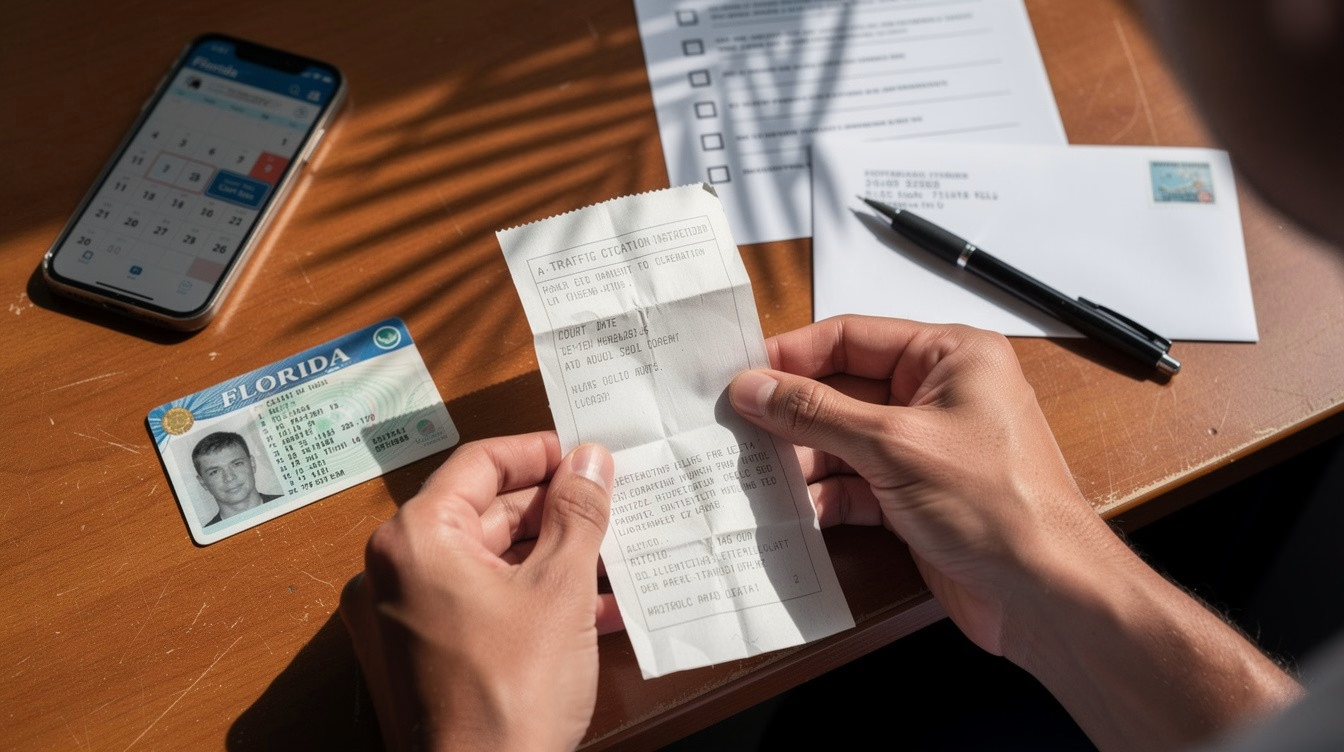
Requirements vary, but applicants commonly need proof of identity, date of birth, Social Security number or lawful presence, and state residency. Teen applicants may also need a parent or legal guardian to sign a consent form. If you are under 18, bring the adult who must sign with you unless your state specifically allows a different process.
Do not assume one document serves every purpose. For example, a birth certificate may establish identity and age but not current residency. Names must also match across your documents. If your name changed after marriage, adoption, or another legal action, bring the supporting record required by your state.
It is wise to review the licensing office checklist before you leave home. An appointment can still end without a permit if a required document is missing, expired, damaged, or not accepted in the original form.
Driver Education Hours and Behind-the-Wheel Training
Course-hour rules are where many families get confused. Driver education, behind-the-wheel instruction, and supervised practice are separate requirements, even though each builds safer driving habits.
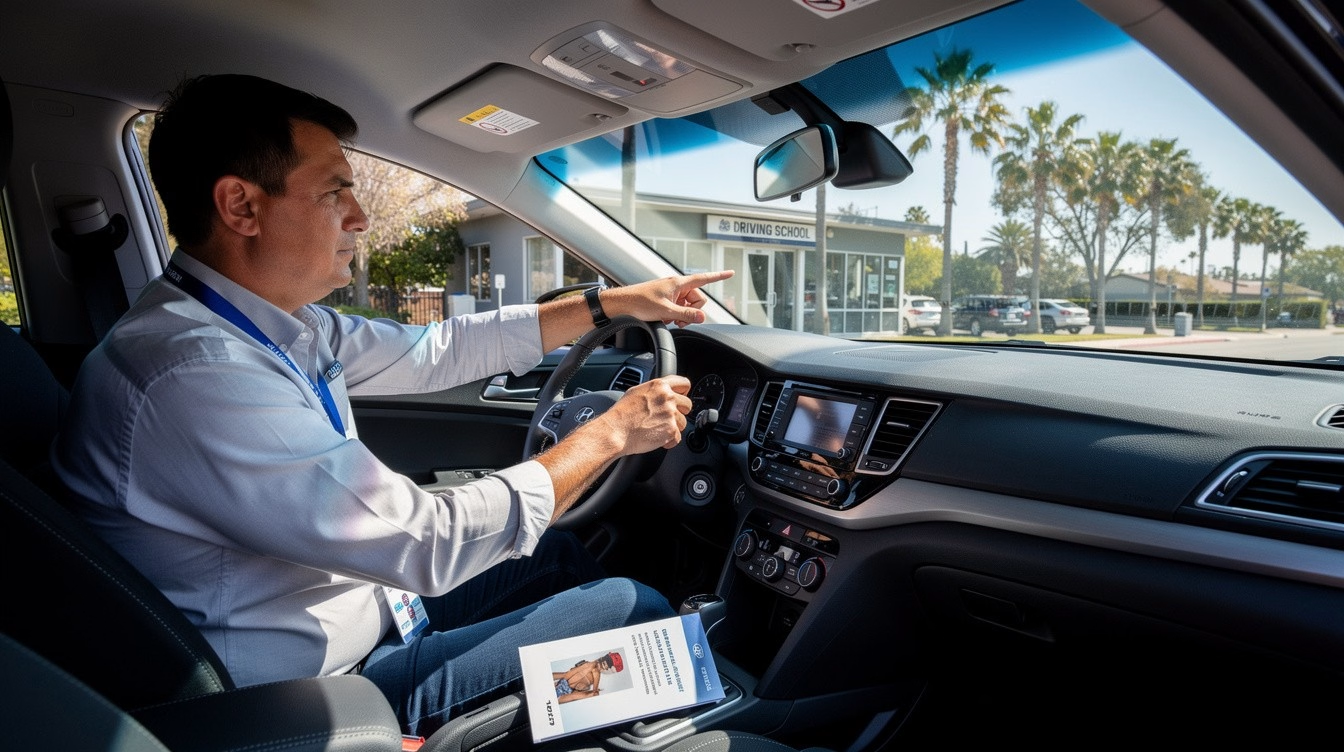
Classroom or online driver education teaches the rules and decision-making skills behind safe driving. Behind-the-wheel instruction places the student in a vehicle with a qualified instructor. Supervised practice is the time a permit holder drives with an eligible adult, often a parent, guardian, or licensed driver who meets a minimum age requirement.
Your state may require a specific number of instruction hours, including a certain amount of nighttime practice. It may also require a driving log signed by a parent or guardian before the road test. Keep this record current as you practice. Recreating a log months later is difficult and can delay your next licensing step.
Online education can fit around school, work, and family schedules, but it is not always interchangeable with in-car instruction. Read the requirement carefully. If the rule calls for six hours of behind-the-wheel training, an additional six hours of online study will not replace it.
Age, School Status, and the Graduated License Process
Many states use graduated driver licensing rules to give new drivers experience in stages. A learner’s permit is normally the first stage, followed by a restricted or intermediate license and then full driving privileges.
Age affects nearly every part of this process. States may set a minimum age for applying, require a permit to be held for a defined period, limit the hours when a new driver may operate a vehicle, or restrict young passengers. These rules are designed to reduce high-risk situations while drivers are still gaining experience.
Some states also connect licensing eligibility to school attendance, academic standing, or completion of a school-based driver education program. That does not mean every student must take a course through their school. It means you should verify whether an approved online provider, private school, or parent-taught option is accepted where you live.
Adults applying for a first license should not assume teen requirements apply to them. An adult may be exempt from a formal driver education course in one state but still need a permit, written test, or supervised practice before the road test. Conversely, adults with a suspension, citation, or court order may need a specialized traffic safety or driver improvement course instead of a standard permit course.
How to Choose a Course That Meets the Requirement
The fastest course is not automatically the right course. Choose based on whether it satisfies your exact state, court, or licensing purpose first, then compare flexibility and service features.
Before enrollment, verify four details:
- The course is approved for your state and your reason for taking it.
- The required instructional hours and final exam format match the official rule.
- You understand how and when the completion certificate or electronic record is delivered.
- The course works on the devices you actually use and provides support if you have a question.
Transparent pricing also matters. Check whether the listed price includes the certificate, reporting, and any required processing. A clear refund policy is useful if you enroll in the wrong course or discover that a different program is required.
DriverEducators.com offers online driver education and traffic safety courses designed around approved course requirements, flexible access, and straightforward completion options. As with any provider, confirm the specific course approval for your state before registering.
Avoid These Common Permit Application Delays
The most preventable delay is starting with outdated information. State rules can change, and advice from a friend who received a permit two years ago may no longer apply. Use the current information from your state licensing agency when building your checklist.
Another problem is confusing permit eligibility with road-test eligibility. You may be able to get a permit before completing all driver education or practice hours, but you will not be able to advance until those later requirements are met. Knowing the full timeline helps you plan instruction and practice without rushing at the end.
Finally, keep every record. Save your course completion certificate, confirmation emails, payment receipt, driving log, and any paperwork signed by a parent or instructor. Digital copies are helpful, but bring originals when your state requires them.
Frequently Asked Questions
Do all states require a permit course?
No. Permit course requirements are set by each state. Some require driver education before a permit, while others require it later in the licensing process or only for drivers under a certain age.
Can I take a permit course online?
Yes, if your state accepts online driver education and the provider is approved for your purpose. Check state approval, required hours, and certificate reporting before you enroll.
Is driver’s ed the same as behind-the-wheel training?
No. Driver’s ed teaches laws and safety concepts, while behind-the-wheel training is supervised instruction in a vehicle. Many states require both for teen drivers.
What happens after I complete the course?
You may receive a certificate, or the provider may report completion electronically. You may still need to pass a vision test and knowledge exam, submit documents, and pay the permit application fee.
How long must I keep a learner’s permit?
It depends on your state and age. Many teen drivers must hold a permit for a minimum period and complete supervised practice hours before taking the road test.
A permit is your opportunity to build safe habits before independent driving begins. Confirm the official requirements, choose an approved course when one is needed, and keep your records organized so your next step is ready when you are.