Getting a traffic ticket in Florida can feel overwhelming, but you have real options to resolve it and protect your driving record.
At DriverEducators.com, we help drivers understand their choices-from paying the fine to contesting the ticket or attending traffic school. Each path has different consequences for your insurance rates and license status.
What Happens When You Get a Traffic Ticket in Florida
Florida’s Points System and Your Driving Record
Florida’s traffic violation system operates on a points-based structure that directly impacts your wallet and driving privileges. Moving violations carry point values ranging from three to six points depending on severity, according to the Florida Department of Highway Safety and Motor Vehicles. A single ticket from 2021 still affects your rates in 2026 because points remain on your record for five years, creating long-term financial consequences.
The Real Cost: Fines and Insurance Increases
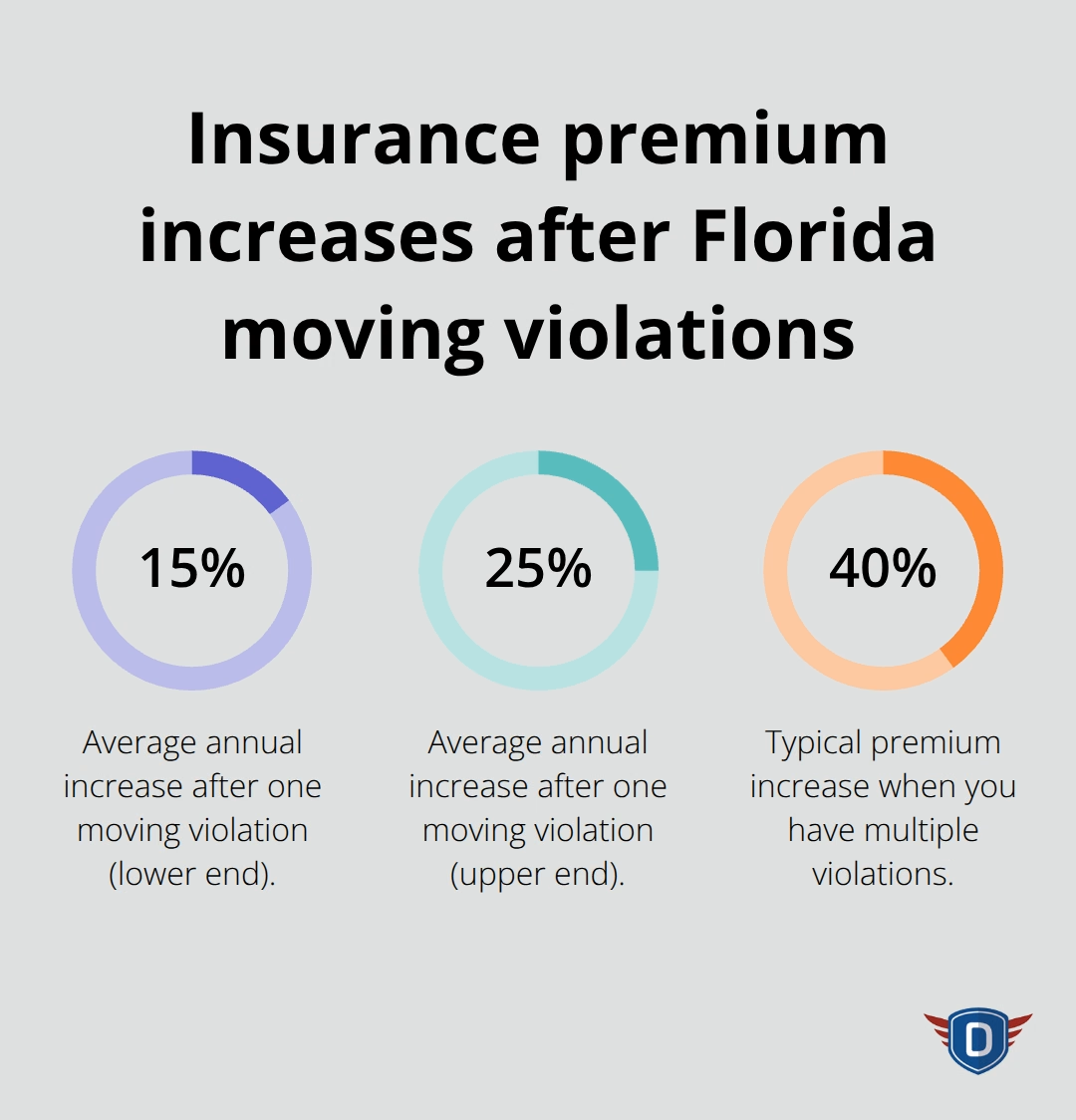
A speeding ticket typically costs between $130 and $300 in fines, but the real damage appears later when your insurance company reviews your driving record. Drivers with one moving violation see average premium increases of 15% to 25% annually, while multiple violations push increases above 40%. Accumulating 12 points within 12 months triggers an automatic license suspension in Florida, forcing you off the road entirely.
How Violation Types Affect Your Penalties
The type of violation determines both the fine amount and point assessment. Reckless driving, which Florida defines as driving with willful or wanton disregard for safety, results in four points and fines exceeding $500 in most cases. Careless driving violations carry three points and lower fines, making them more common for minor infractions like improper lane changes. Speeding 30 miles per hour or more over the limit adds four points and significantly higher fines, while speeding under 15 miles per hour over the limit carries three points.
Traffic School as Your Practical Solution
Traffic school to reduce points and prevent conviction offers a practical option to protect your record before violations compound. Completing an approved course prevents points from being added to your driving record entirely. This approach stops the insurance premium spike that follows a conviction, protecting your rates from the increases that typically result from a moving violation.
Your next step involves understanding which resolution option works best for your situation-whether that means paying the fine, contesting the ticket in court, or attending traffic school to protect your record and insurance rates.
Three Ways to Resolve Your Florida Traffic Ticket
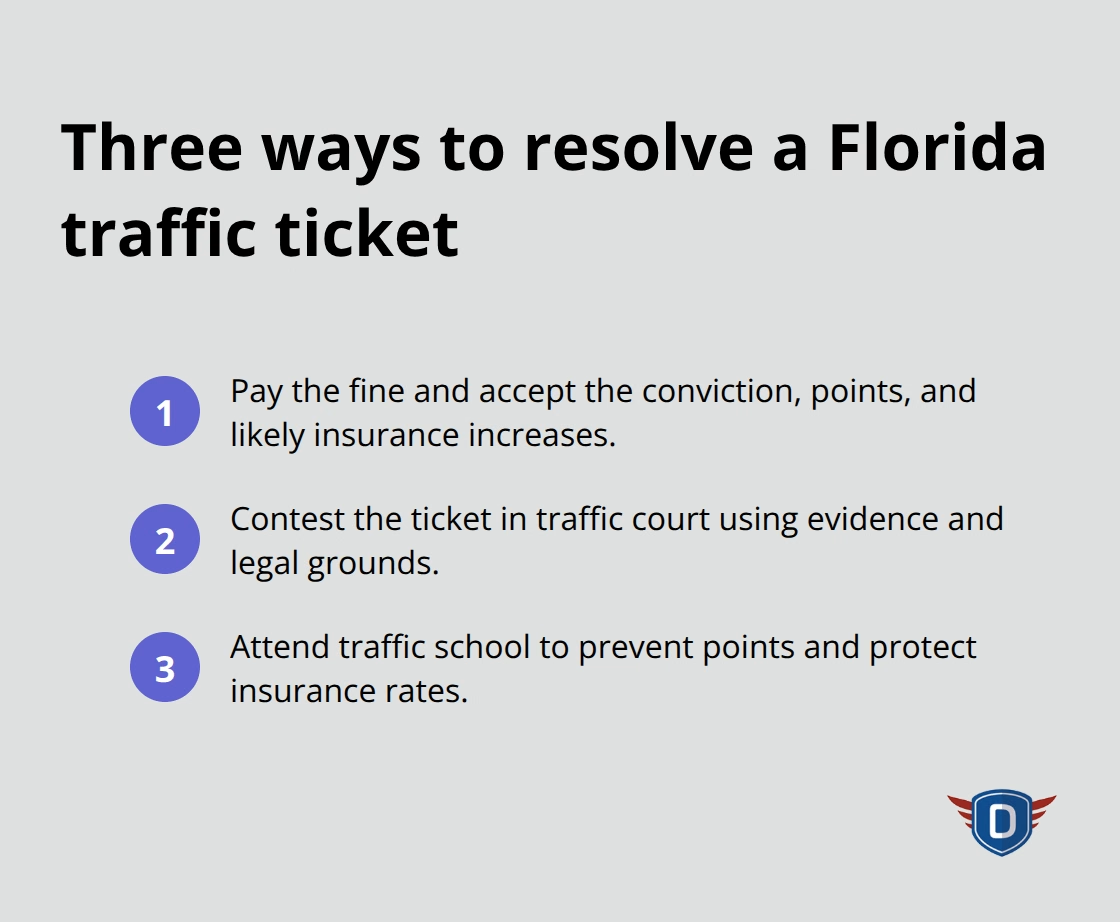
When you receive a traffic ticket in Florida, you face three distinct paths forward, and each produces dramatically different outcomes for your wallet and driving record. The option you choose determines whether points stick to your record, how much your insurance rates climb, and whether you face license suspension. Understanding what each path costs in time, money, and long-term consequences helps you make the right decision for your situation.
Paying the Fine Outright: The Fastest but Most Expensive Route
Paying the fine outright is the fastest option but also the most expensive one when you factor in insurance increases. You simply pay the ticket amount, which ranges from $130 for minor speeding to $500+ for reckless driving, but the conviction stays on your record for five years. Your insurance company sees the violation immediately, and your premiums jump an average of 15% to 25% annually according to data from major Florida insurers. Over five years, a single ticket can cost you $3,000 to $5,000 in extra insurance premiums alone, making this approach only sensible if you cannot attend traffic school due to court restrictions or prior course attendance within 12 months.
Contesting the Ticket in Traffic Court: A Risky Gamble
Contesting the ticket in traffic court requires you to challenge the officer’s evidence and testimony, which works when the officer fails to appear or when you can prove a factual error on the citation. However, Florida traffic courts convict drivers in approximately 85% of contested cases, meaning most drivers lose and still pay the fine while also spending time preparing and attending court. You need legitimate grounds for your defense, such as the officer making a procedural error, radar equipment calibration records showing inaccuracy, or the officer not showing up for the hearing. If you lose, you pay the fine plus court costs, and the conviction still damages your record and insurance rates. This path makes sense only when you have solid evidence supporting your case, not as a general strategy to avoid consequences.
Traffic School: The Practical Solution That Protects Your Record
Traffic school offers the most practical solution for most drivers because it prevents the conviction from reaching your record entirely. Completing an approved course stops points from being added and keeps your insurance company from seeing a conviction, protecting your rates from the increases that typically follow a moving violation. The court usually allows this option once every 12 months, and you must complete the course before your ticket’s due date. Florida-approved programs take 4 to 8 hours depending on your situation, cost between $50 and $150, and are fully online and self-paced so you study whenever works for your schedule. You pay the fine regardless of which option you choose, but traffic school prevents the compounding costs from insurance increases and keeps your license suspension risk low by stopping points from accumulating on your record. Most drivers find this the smartest investment because the course cost pays for itself within a single year through avoided insurance increases, and you actually learn defensive driving techniques that make you safer behind the wheel.
The decision between these three paths comes down to your specific circumstances and what you want to protect most-your driving record, your insurance rates, or your time. Understanding how traffic school specifically reduces points and qualifies you for insurance discounts helps clarify why this option works best for most Florida drivers facing a ticket.
How Traffic School Reduces Points and Protects Your Insurance
Points Disappear From Your Record
Traffic school stops points from sticking to your driving record when you complete an approved Florida course before your ticket’s due date. The court dismisses the violation from your record entirely, and no points reach the Department of Highway Safety and Motor Vehicles. Your insurance company never sees a conviction because the violation never appears on your official driving record. Insurance companies cannot raise your rates based on a violation that vanishes from your record, making traffic school the most cost-effective investment after receiving a ticket.
The Math Behind Your Savings
A traffic school course costs between $50 and $150, while a single year of increased premiums from a conviction costs $300 to $800 depending on your current rates and violation severity. The 15% to 25% annual insurance increase that typically follows a moving violation adds up quickly over time. Over five years, that difference compounds to $1,500 to $4,000 in savings, not counting the additional protection of avoiding license suspension risk. A single ticket can cost you $3,000 to $5,000 in extra insurance premiums alone over five years, making traffic school pay for itself within months.
What DriverEducators.com Offers
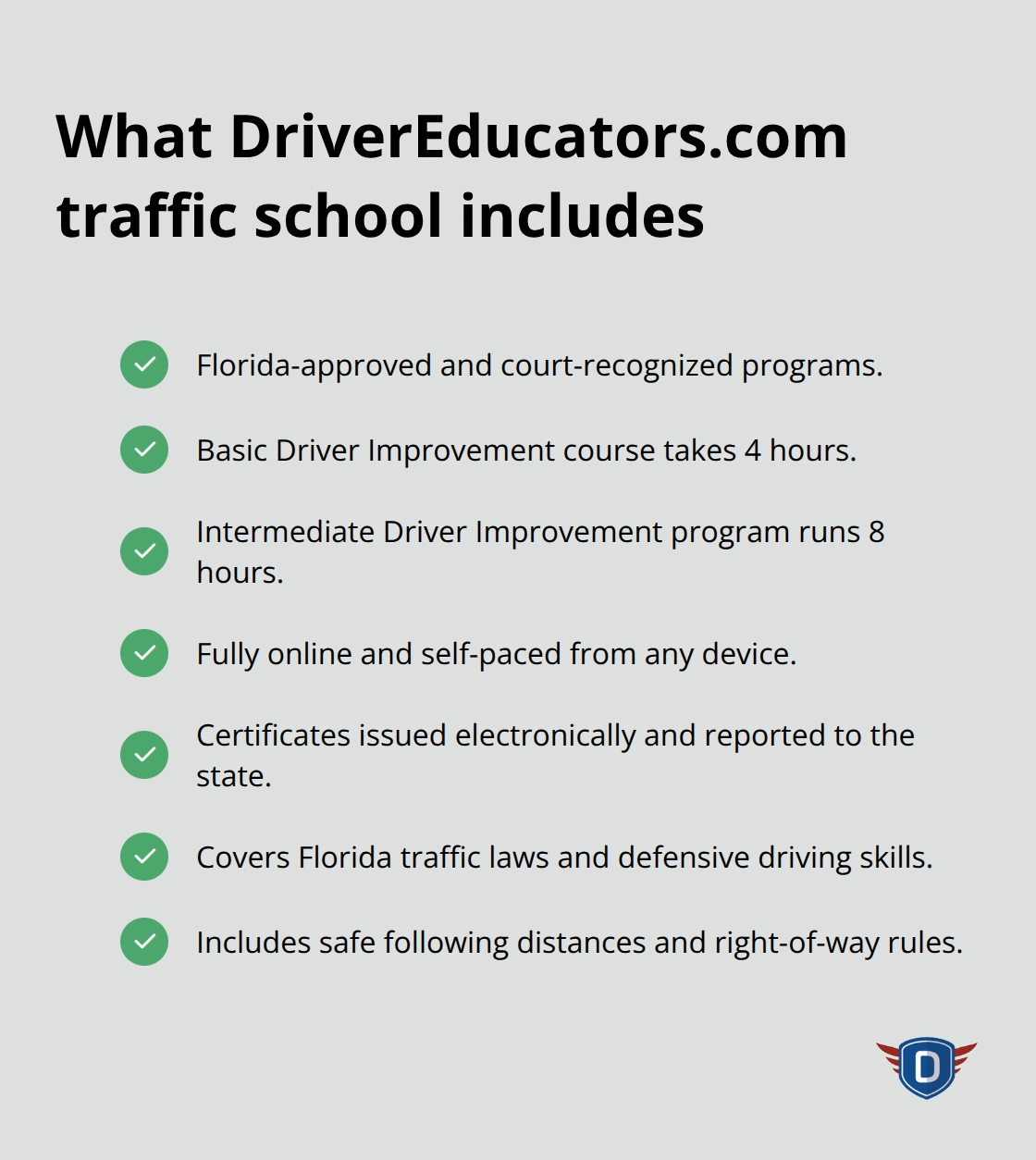
DriverEducators.com provides Florida-approved traffic school programs designed to meet court requirements while teaching defensive driving skills that reduce your accident risk. The Basic Driver Improvement course takes 4 hours and covers Florida traffic laws, defensive driving techniques, safe following distances, right-of-way rules, and the dangers of aggressive or distracted driving. The Intermediate Driver Improvement program runs 8 hours for drivers needing deeper instruction or facing court-ordered requirements. Both courses are fully online and self-paced, allowing you to complete the material on your schedule from any device, and certificates are issued electronically and reported directly to the state upon completion.
Real-World Learning That Works
The curriculum focuses on real-world scenarios and Florida-specific traffic situations rather than generic safety lectures, so the knowledge you gain actually applies to driving in your community. Many drivers complete these courses within a single weekend, satisfying their court obligations while protecting their record and insurance rates simultaneously. The courses explore Florida traffic laws, defensive driving techniques, safe following distances, right-of-way rules, and the dangers of aggressive or distracted driving. Special focus goes to impaired driving prevention, crash avoidance strategies, and understanding how attitude and behavior affect decision-making behind the wheel.
Final Thoughts
You now understand the three paths available when handling traffic tickets in Florida, and the data makes the choice clear for most drivers. Paying the fine protects nothing and costs thousands in insurance increases over five years, while contesting the ticket fails in roughly 85% of cases and leaves you with the same financial damage. Traffic school stops points from reaching your record, prevents insurance companies from seeing a conviction, and pays for itself within months through avoided premium increases.
The long-term benefits of choosing traffic school extend far beyond the immediate savings. Your driving record stays clean, your license suspension risk drops significantly, and you learn defensive driving techniques that reduce your accident risk. A single ticket costs $3,000 to $5,000 in extra insurance premiums over five years, but traffic school eliminates that damage entirely by keeping the violation off your record.
Visit DriverEducators.com to complete your Florida-approved program before your ticket’s due date and protect your record, your insurance rates, and your driving privileges. Our Basic Driver Improvement course takes 4 hours and covers Florida traffic laws, safe following distances, right-of-way rules, and crash avoidance strategies, while the Intermediate Driver Improvement program runs 8 hours for drivers needing deeper instruction. The investment pays for itself immediately, and the safer driving habits you develop last a lifetime.