Getting your driver’s license in Florida involves specific steps and regulations that vary based on your age and experience level. Understanding Florida driver education requirements upfront saves time and prevents costly mistakes during the licensing process.
At DriverEducators.com, we break down everything from classroom hours to behind-the-wheel training, traffic school options, and defensive driving techniques that actually reduce accident rates. This guide covers the complete pathway to becoming a safe, licensed driver in Florida.
Florida Driver Education Requirements: Age-Based Rules and Testing Standards
Classroom and Behind-the-Wheel Training for Teenage Drivers
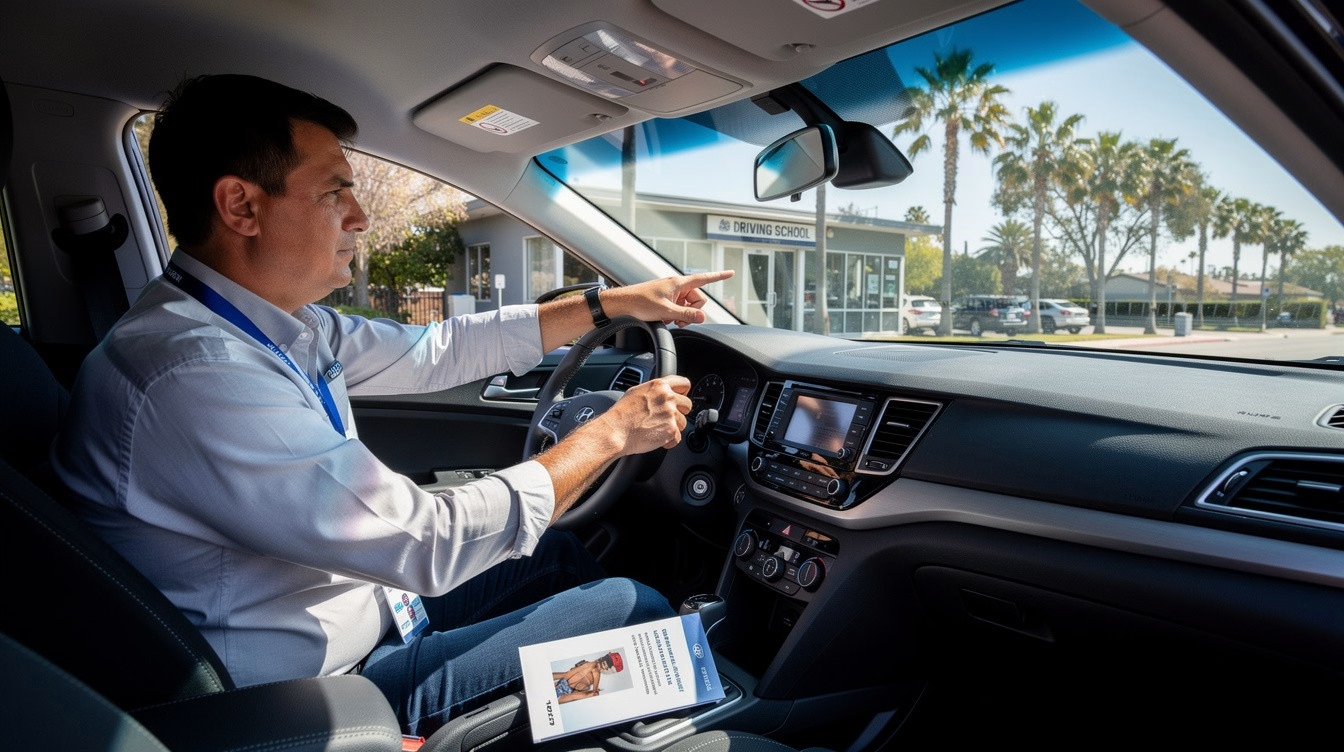
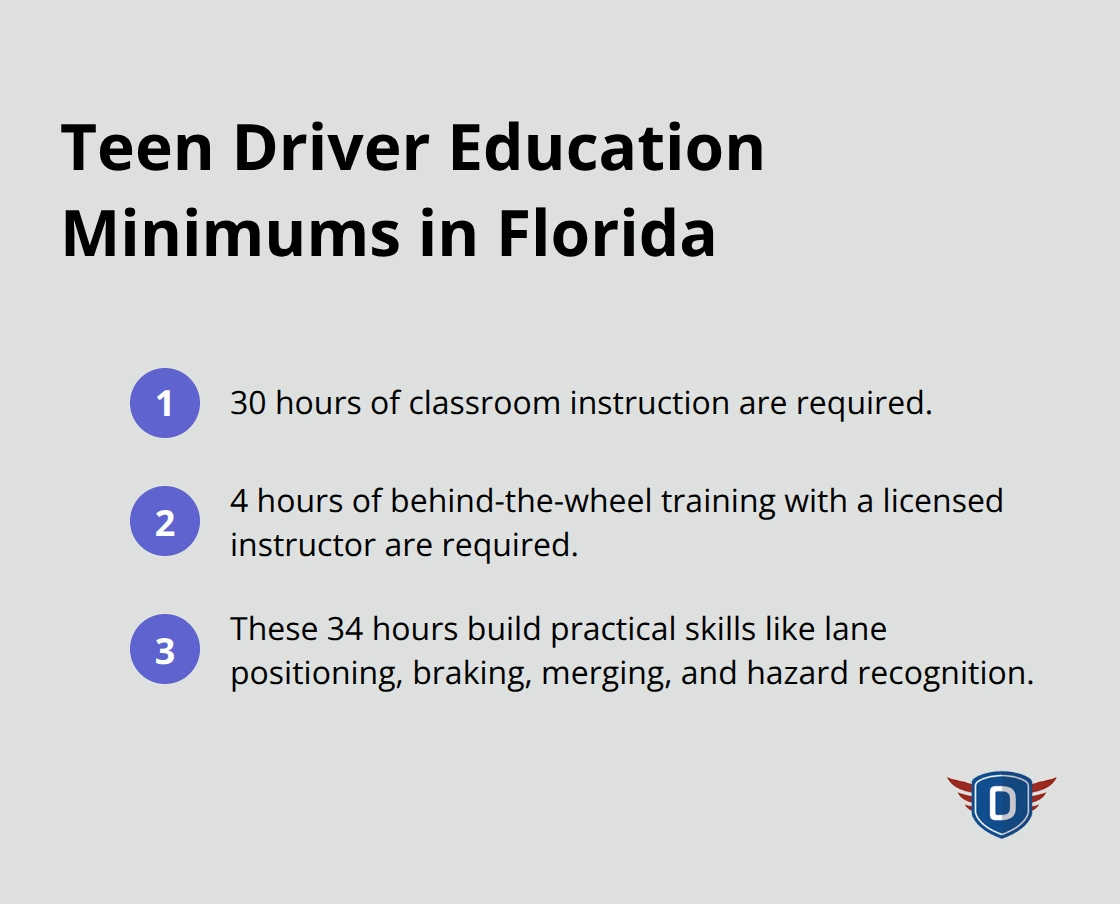
Drivers under 18 in Florida must complete a Florida Department of Highway Safety and Motor Vehicles approved driver education course totaling 30 hours of classroom instruction plus 4 hours of behind-the-wheel training with a licensed instructor. This 34-hour minimum exists because the Insurance Institute for Highway Safety reports that formal driver education helps reduce crash risk for teenage drivers compared to those without structured training. The behind-the-wheel component teaches lane positioning, emergency braking, highway merging, and real-world hazard recognition that textbooks cannot replicate.
Adult Drivers and Flexible Training Options
Adults aged 18 and older can bypass classroom hours entirely and move directly to the driving test, though many choose formal instruction anyway because practical skills matter more than paperwork. Formal training helps adult drivers master vehicle control and hazard awareness that proves valuable on Florida roads. This flexibility allows older applicants to accelerate their licensing timeline while still gaining essential hands-on experience.
Florida’s Graduated Driver Licensing System
Florida’s Graduated Driver Licensing system creates distinct phases with specific restrictions that tighten gradually as experience increases. Learner’s permit holders aged 15 to 17 must have a licensed adult 21 or older in the front passenger seat at all times, cannot drive between midnight and 5 a.m., and face a complete prohibition on cell phone use. The permit phase lasts a minimum of 3 months before you can advance to the Class D driver’s license.
After passing the written exam and road test, new drivers under 18 receive a license with identical restrictions for six months, then restrictions lift further for another six months before full privileges activate at 18. This gradual approach gives young drivers time to build experience in controlled conditions.
Written and Practical Testing Requirements
The written test consists of 50 questions covering Florida traffic laws, road signs, and safe driving practices with a passing score of 40 correct answers. The practical road test evaluates vehicle control, traffic law compliance, and safe decision-making in real driving conditions. Testing costs run approximately 20 dollars for the written exam and 65 dollars for the road test, though prices vary slightly by county.
Documentation and Identification Needed
You must provide proof of identity, proof of Florida residency, Social Security number verification, and a medical examination form for first-time applicants. Having these documents prepared before your appointment prevents delays and keeps your licensing process on track. With these requirements met, you’ll be ready to explore Florida’s traffic school options and point reduction strategies that protect your driving record.
How Traffic School Reduces Points and Protects Your Driving Record
When Florida Courts Require Traffic School
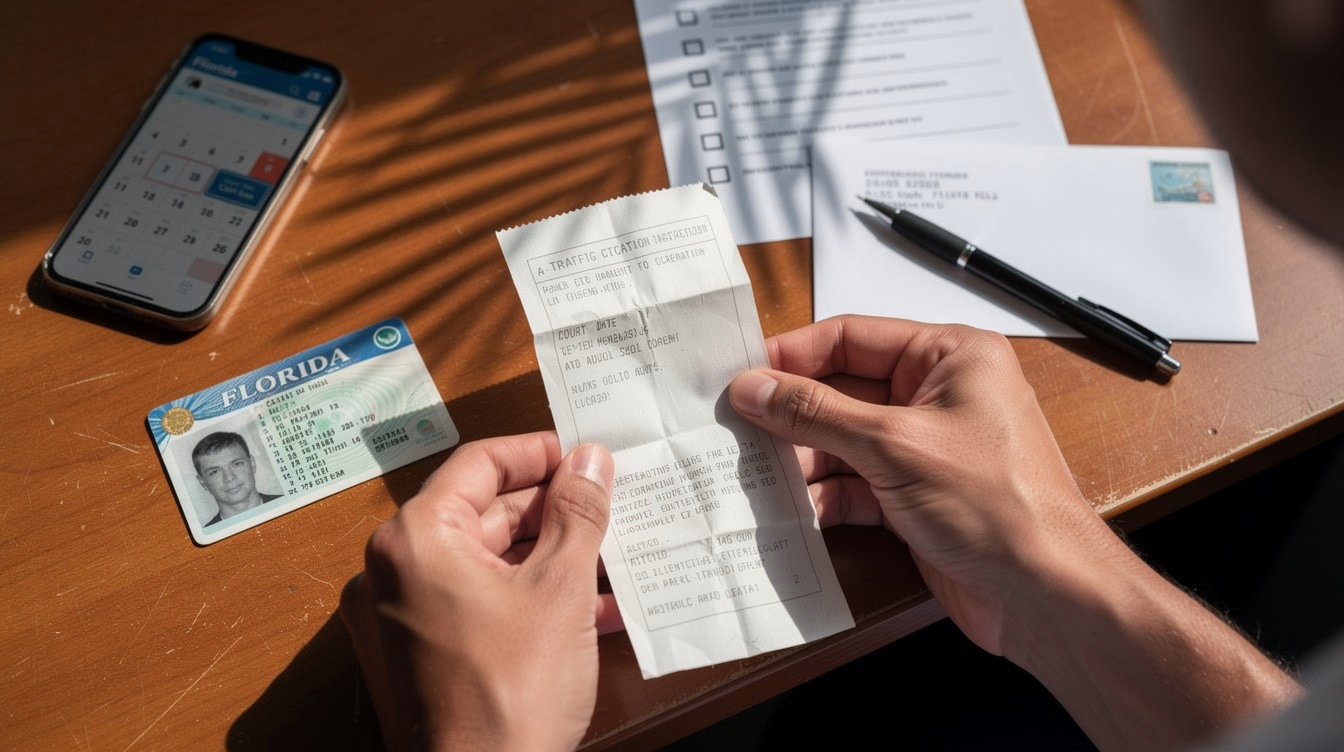
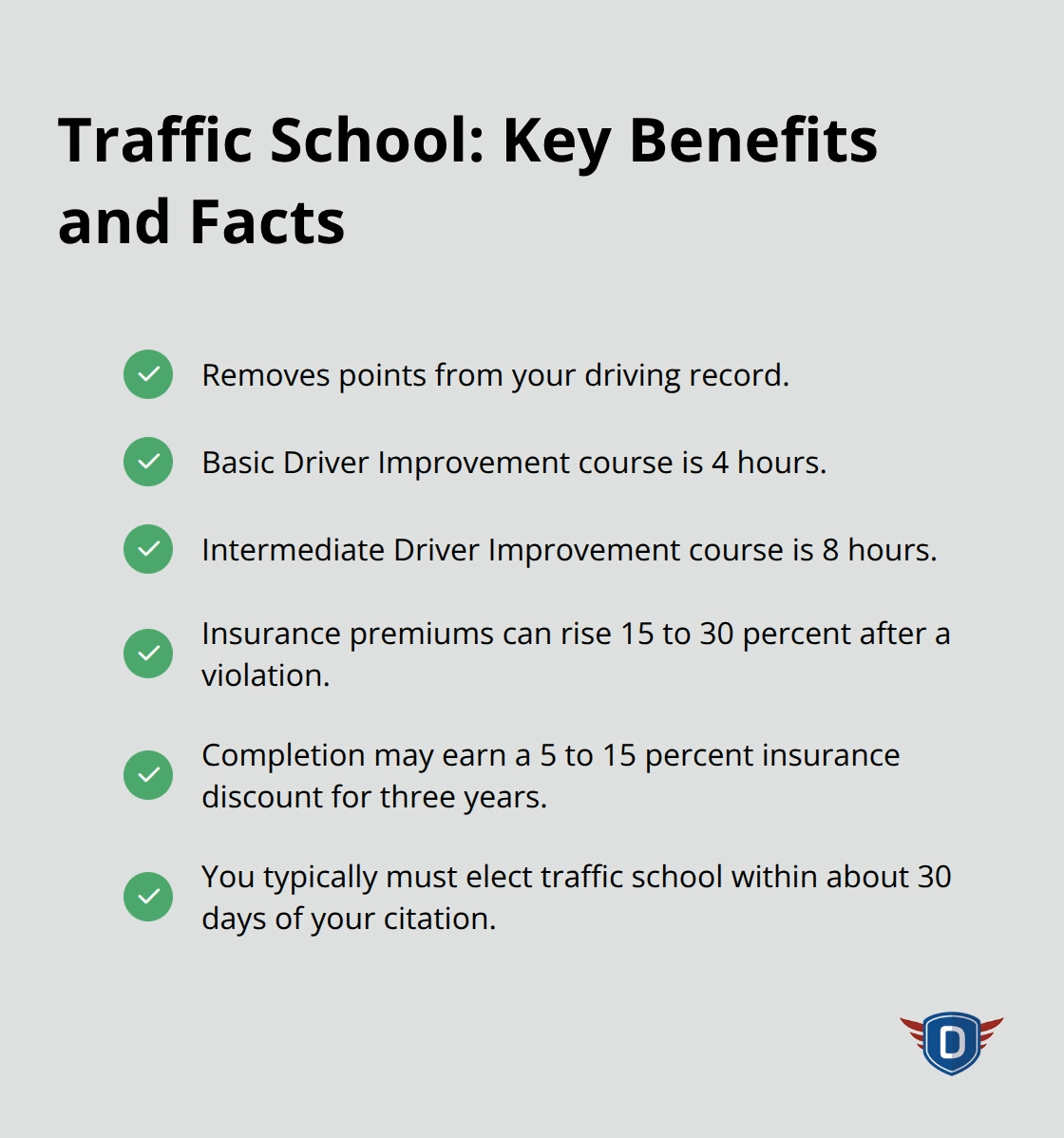
Florida courts mandate traffic school attendance when you accumulate moving violations, receive a ticket for a non-criminal traffic offense, or face potential license suspension. The court typically offers you the option to attend traffic school instead of paying the fine or accepting points on your record, but you must make this choice within a specific timeframe (often 30 days from your citation date). Traffic school completion satisfies court requirements while teaching defensive driving techniques that prevent future violations.
Point Removal and Insurance Savings
Completing either the Basic Driver Improvement course (4 hours) or the Intermediate Driver Improvement course (8 hours) removes points from your driving record, which directly impacts your insurance rates and license status. Insurance companies in Florida monitor your driving record closely, and even a single moving violation can increase your premiums by 15 to 30 percent depending on the violation type and your insurer’s policies.
Traffic school completion typically qualifies you for a 5 to 15 percent insurance discount that persists for three years, meaning you recover the course cost within months. This financial benefit makes traffic school attendance a smart investment beyond simply satisfying court orders.
Course Options and Content Coverage
The Basic Driver Improvement course targets drivers with a single moving violation, while the Intermediate Driver Improvement course serves court-ordered attendees or drivers seeking deeper knowledge about safe habits. Both programs cover Florida traffic laws, defensive driving strategies, impaired driving prevention, and crash avoidance tactics through engaging visuals and real-world scenarios.
Our Florida-approved traffic school programs at DriverEducators.com deliver comprehensive instruction designed to help drivers become safer and more responsible. The curriculum explores safe following distances, right-of-way rules, and the dangers of aggressive or distracted driving, with special focus on how attitude and behavior affect decision-making behind the wheel.
Flexible Online Learning and Immediate Compliance
Courses are fully online and self-paced, allowing you to complete requirements on your schedule without classroom attendance. Upon finishing, you receive your completion certificate electronically, and it reports directly to the Florida Department of Highway Safety and Motor Vehicles, confirming compliance with all state requirements and ensuring your points reduction processes immediately.
This flexibility combined with instant reporting means your driving record protection begins the moment you complete your course. With points removed and insurance discounts activated, you’re positioned to explore how defensive driving techniques learned in traffic school translate into long-term safer habits on Florida roads.
What Skills Actually Matter Behind the Wheel
Lane Positioning and Escape Space
Florida driver education teaches specific, measurable techniques that directly reduce accident risk rather than generic safety advice. Driver training alone has not been shown to reduce overall crash rates, though driving skill begins with knowledge education and then practice. Lane positioning matters more than most drivers realize because it gives you escape space when hazards emerge suddenly.
Proper positioning means staying in the center of your lane, not drifting toward edges where guardrails and parked cars create collision risks. This simple habit prevents sideswipe accidents and keeps you away from road debris that damages vehicles or causes loss of control.
Following Distance and Reaction Time
Following distance receives heavy emphasis in Florida driver education because inadequate spacing contributes significantly to rear-end collisions. The rule of three seconds means maintaining enough distance so that if the car ahead brakes suddenly, you have time to react without hitting them.
In heavy traffic or poor weather, expand this to five or six seconds to prevent the panic braking that triggers pile-ups. This spacing requirement applies regardless of your vehicle type or the road conditions you face.
Hazard Recognition and Scanning Techniques
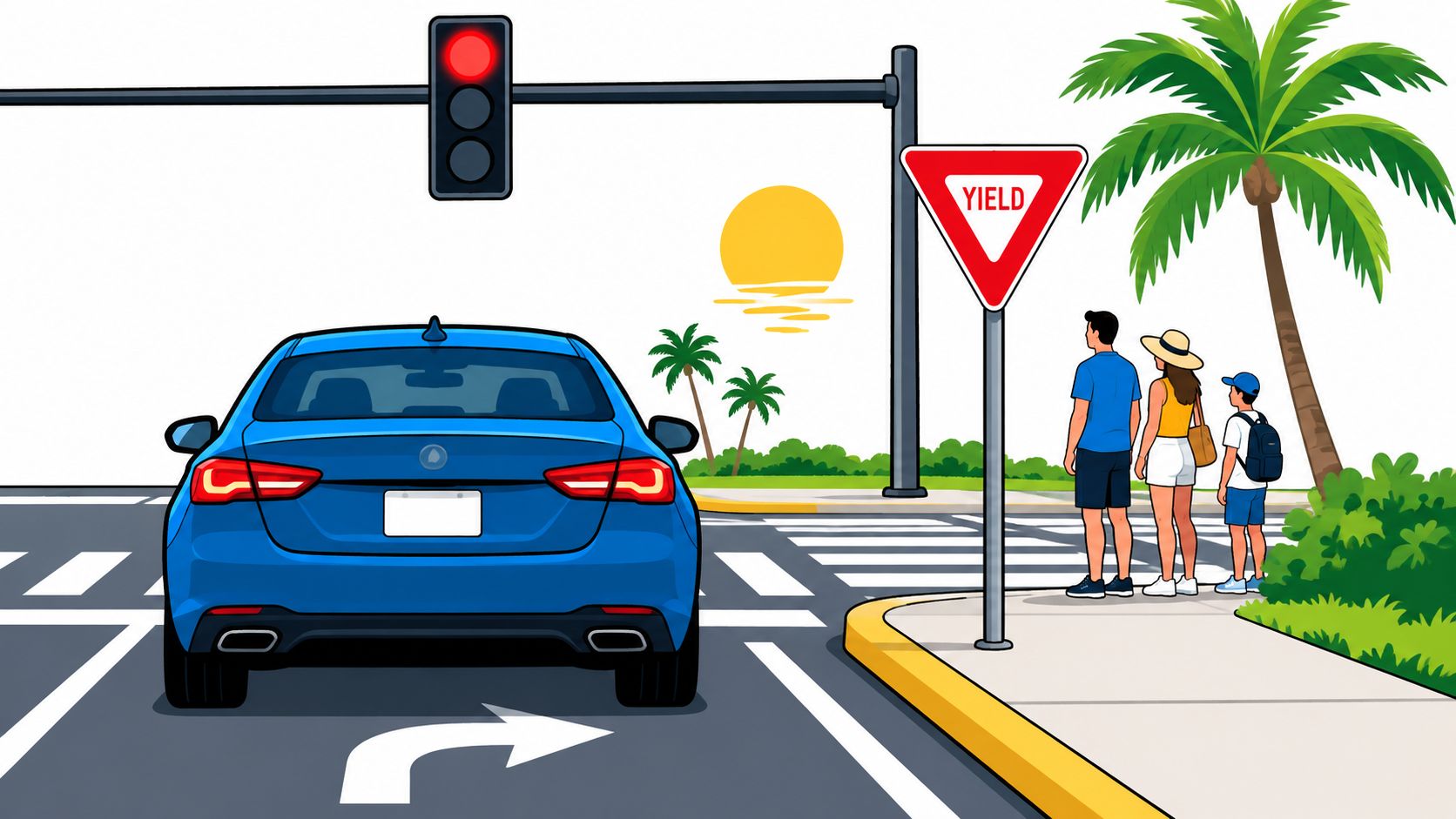
Hazard recognition separates confident drivers from nervous ones because it trains your eyes to spot problems before they become emergencies. Comprehensive driver education teaches you to scan intersections before entering, watch for brake lights three cars ahead, notice pedestrians stepping off curbs, and identify impaired drivers weaving between lanes.
These scanning habits develop through repetition during behind-the-wheel training sessions. Your instructor points out hazards you might miss, building the pattern recognition that keeps you safe on Florida’s increasingly crowded roads.
Emergency Braking and Vehicle Control
Emergency braking techniques taught during behind-the-wheel training ensure you understand how modern anti-lock braking systems respond differently than older vehicles, preventing the instinct to pump brakes that actually reduces stopping power. Drivers trained on proper steering input, smooth acceleration, and controlled deceleration develop muscle memory that prevents overreactions during stressful moments.
This muscle memory activates automatically when emergencies occur, giving you better control when panic might otherwise take over. The physical skills matter as much as the knowledge because your body must respond correctly without conscious thought.
Emotional Regulation and Decision-Making Under Stress
The behavioral component of driver education matters equally because understanding why you feel angry or distracted behind the wheel helps you manage those impulses before they create dangerous situations. Comprehensive education builds habits that protect your license, reduce insurance costs, and keep you safe on Florida roads.
Final Thoughts
Florida driver education requirements exist to transform drivers who understand rules, possess practical skills, and develop habits that prevent crashes. Whether you’re a teenager completing your 30 hours of classroom instruction plus 4 hours of behind-the-wheel training, a driver attending traffic school to remove points, or someone seeking to sharpen your defensive driving abilities, formal education teaches you what instinct alone cannot provide. The pathway forward depends on your situation, but the outcome remains consistent: safer driving habits that protect your record and lower your insurance costs.
At DriverEducators.com, we deliver Florida-approved traffic school programs that help drivers become safer and more responsible on the road. Our fully online, self-paced courses cover Florida traffic laws, defensive driving strategies, and real-world scenarios that prepare you for actual road conditions, whether you need a 4-hour Basic Driver Improvement course or an 8-hour Intermediate program. Your investment in proper driver education pays dividends immediately through insurance discounts and long-term through accident prevention.
Your driving record stays clean, your premiums stay lower, and your skills keep you safe on Florida’s increasingly busy roads. Complete your requirements today and join thousands of drivers who’ve transformed their confidence and competence behind the wheel.