Every year, over 42,000 people die in traffic crashes across the United States. Most of these deaths are preventable through proper understanding and application of traffic laws.
At DriverEducators.com, we believe that traffic law education basics form the foundation of safer driving. When drivers truly understand the rules of the road, they make better decisions behind the wheel.
Why Traffic Laws Actually Save Lives
The Cost of Ignoring Traffic Laws
The statistics are stark. The United States recorded 40,901 traffic fatalities in 2023, with 2.3 million people injured, according to the National Highway Traffic Safety Administration. Florida alone saw 3,745 deaths on its roads that year, making traffic crashes the leading cause of unintentional injury death for Americans aged 1 to 54. These numbers represent preventable outcomes. When drivers understand traffic laws and apply them consistently, crash rates drop measurably.
How Enforcement Changes Driver Behavior
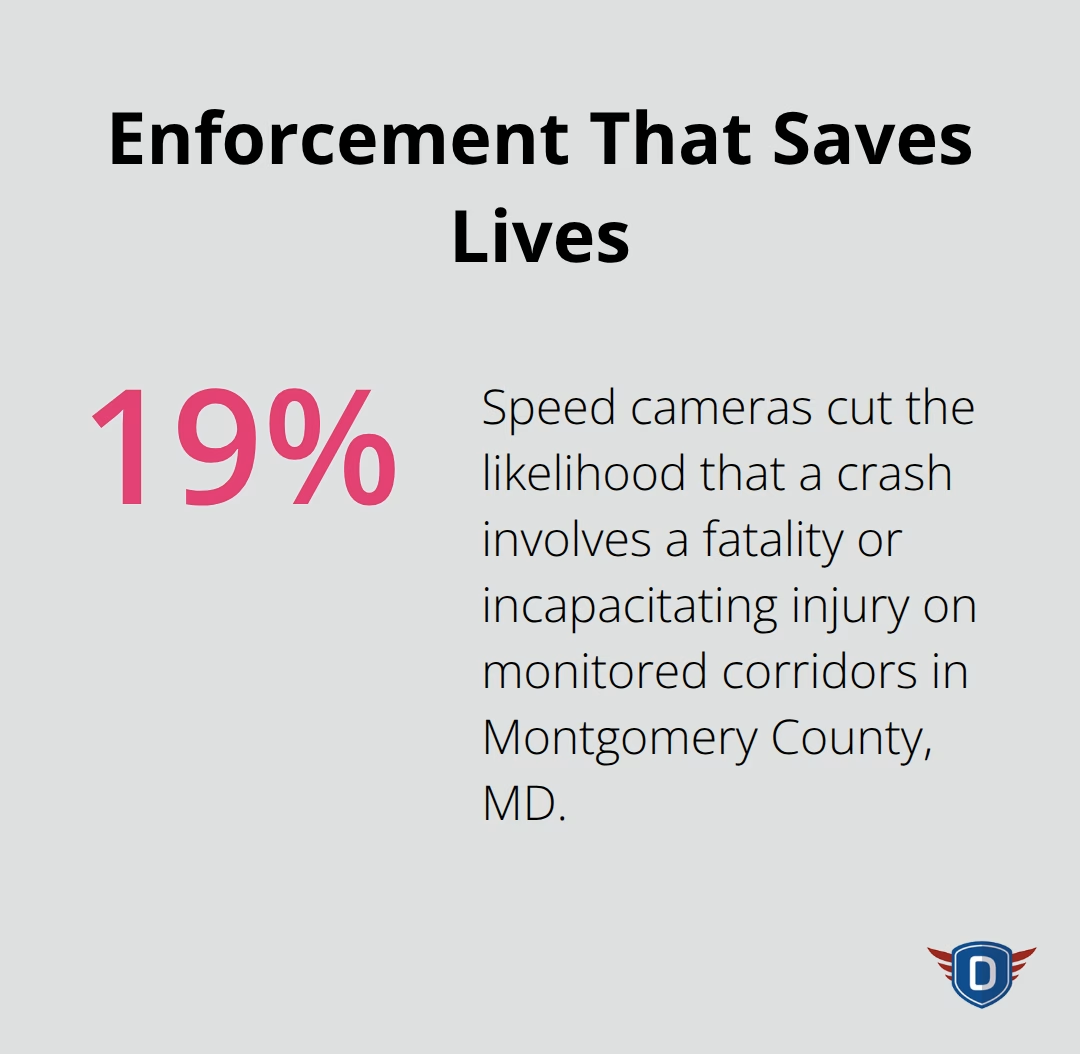
A Montgomery County, Maryland study found that speed cameras resulted in a 19 percent reduction in the likelihood that a crash would involve a fatality or an incapacitating injury on monitored corridors. This demonstrates that enforcement tied to clear legal standards changes driver behavior fast. Speed limits exist because traveling at safe speeds gives drivers time to react. Following distance laws prevent rear-end collisions, which account for a significant portion of highway crashes.
Right-of-way rules eliminate the guesswork at intersections. Distracted driving laws target one of the top causes of crashes today. These aren’t arbitrary restrictions; they’re evidence-based interventions that work.
Education Transforms Rules Into Habits
Driver education amplifies this protection by building the knowledge that enforcement alone cannot create. The National Traffic and Motor Vehicle Safety Act of 1966 established NHTSA specifically because policymakers recognized that informed drivers make safer choices. Formal traffic education teaches drivers to anticipate hazards, understand their own limitations, and recognize how their decisions affect others on the road. Our curriculum covers real-life scenarios, defensive driving techniques, and how attitude affects decision-making behind the wheel. This approach works because it shifts drivers from passive rule-followers to active safety participants.
Insurance companies recognize this impact; many offer discounts to drivers who complete approved traffic education programs. State traffic safety plans now mandate education alongside engineering and enforcement because data shows that education changes long-term behavior when it’s practical and scenario-based rather than theoretical. Laws establish the standards, enforcement creates accountability, and education transforms those standards into genuine driving habits that stick.
What Drivers Must Know Next
Understanding why traffic laws matter sets the stage for learning the specific rules that protect you and everyone sharing the road.
The Traffic Laws That Actually Prevent Crashes
Right-of-Way Rules Stop Intersection Crashes
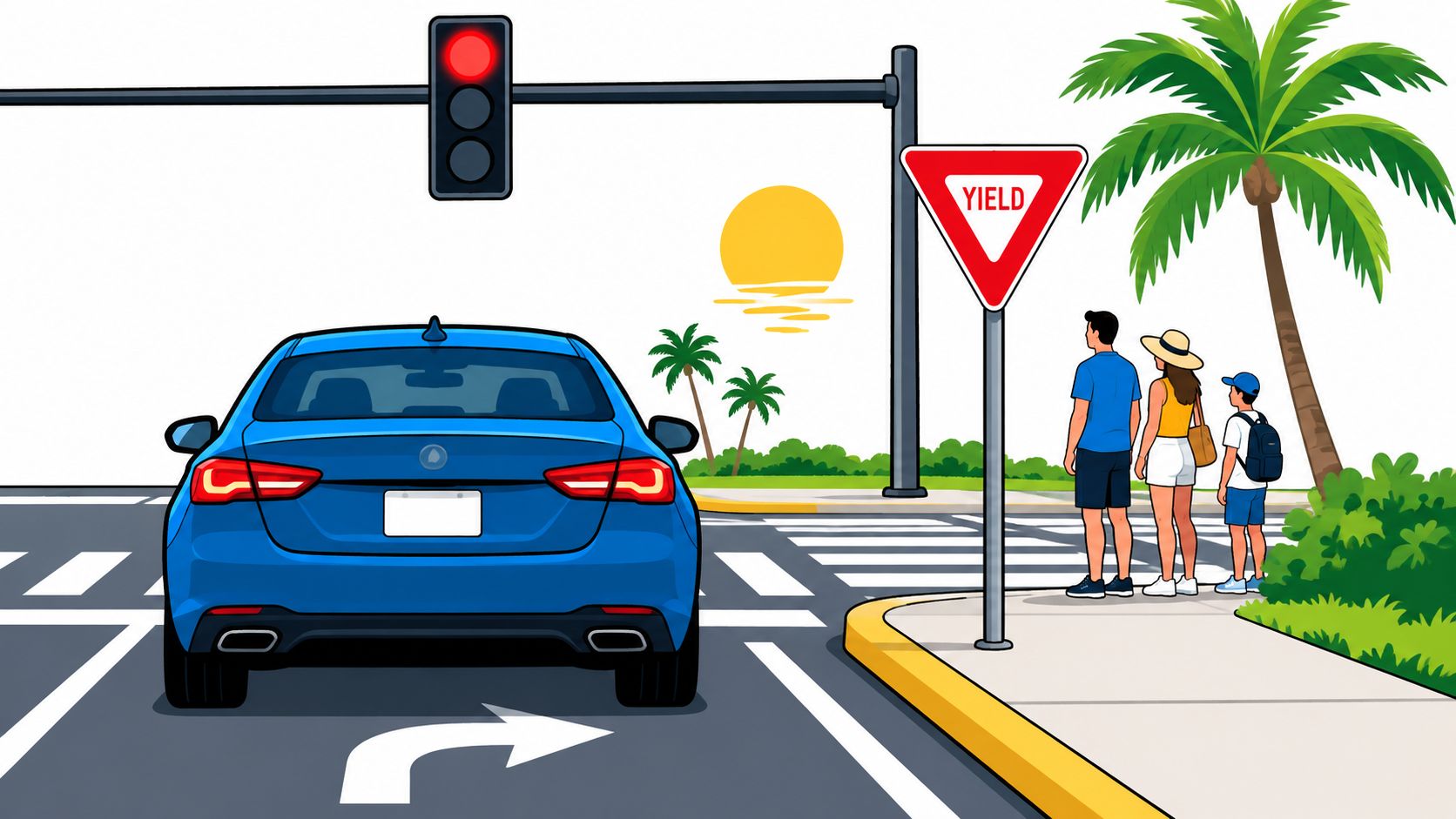
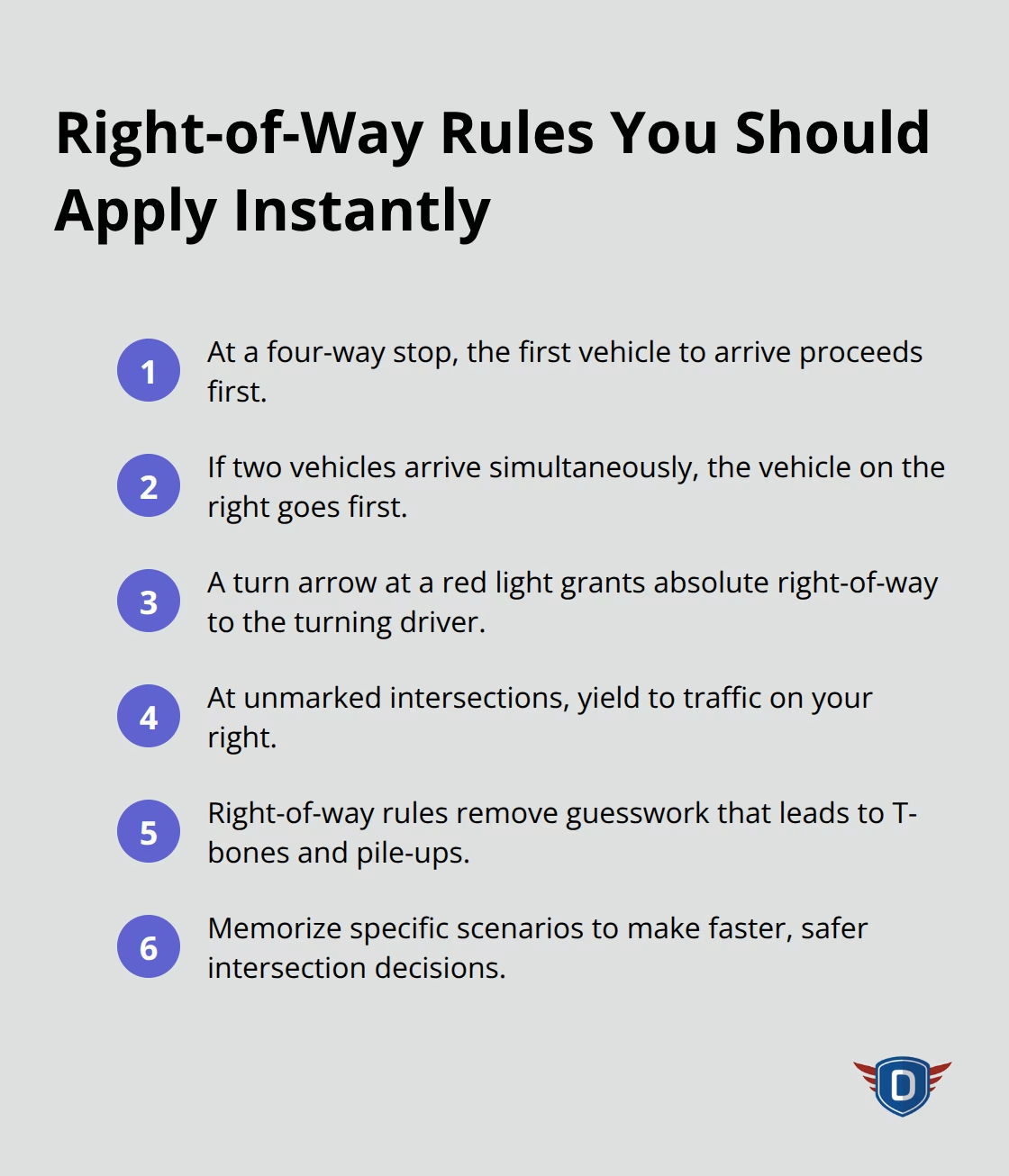
Each year roughly one–quarter of traffic fatalities and about one–half of all traffic injuries in the United States are attributed to intersections, and most happen because drivers misunderstand or ignore right-of-way rules. Right-of-way isn’t a suggestion-it’s a legal assignment of who moves first. At a four-way stop, the first vehicle to arrive has the right to proceed; if two vehicles arrive simultaneously, the one on the right goes first. At a red light with a turn arrow, that arrow gives you absolute right-of-way over oncoming traffic. At an unmarked intersection, yield to traffic on your right. These rules eliminate the guesswork that causes T-bone collisions and intersection pile-ups. Drivers who memorize these specific scenarios rather than vague principles make faster, safer decisions when they’re actually at the intersection.
Speed Limits Reflect Engineering Data, Not Arbitrary Restrictions
Speed limits are equally specific and equally misunderstood. The 85th percentile speed-the speed at which 85 percent of drivers travel under normal conditions-informs how speed limits are set. A posted 35 mph limit in a residential zone reflects engineering data about safe speeds on that particular road. Exceeding that limit dramatically increases crash severity. Safe following distance matters equally. The three-second rule gives you time to react if the car ahead stops suddenly. In rain or snow, that distance doubles to six seconds. These aren’t conservative guidelines; they’re physics-based minimums that prevent rear-end collisions, which account for nearly one-third of all crashes.
Distracted Driving Laws Target Attention Loss
Distracted driving laws target one of the fastest ways to destroy decision-making. In 2024, Colorado implemented a handheld phone ban with escalating penalties: a first offense costs $75 plus a $10 surcharge and two points on your license, while a third offense costs $250 plus points. Pennsylvania expanded its distracted driving law to include games, images, and social media, not just calls and texts. These aren’t feel-good regulations; they’re responses to data showing that checking your phone takes your attention away for an average of 4.6 seconds-enough time to travel the length of a football field at highway speed without seeing the road.
Impaired Driving Laws Prevent Preventable Deaths
Impaired driving laws set the blood alcohol content limit at 0.08 percent in all 50 states, and NHTSA reported 12,429 drunk-driving fatalities in 2023 alone. That number is preventable. A single drink affects your reaction time, depth perception, and ability to track moving objects. Two drinks impair your steering control and response to emergency situations. The law exists because impaired drivers cause crashes at a rate five times higher than sober drivers. Understanding these specific thresholds and consequences changes how you approach your responsibility behind the wheel.
How Education Transforms Rules Into Action
Understanding these specific traffic laws sets the foundation, but knowledge alone doesn’t guarantee safer driving. The next step involves how formal driver education programs transform these rules from abstract concepts into actual driving habits that protect you and everyone on the road.
How Education Turns Rules Into Lasting Habits
Knowing that speed limits exist and understanding why they exist are fundamentally different things. Traffic education bridges that gap by transforming abstract legal requirements into practical decision-making skills that drivers actually use. When drivers complete formal traffic education programs, they develop what behavioral researchers call metacognitive awareness-the ability to monitor their own driving decisions in real time. A driver who has studied how fatigue affects reaction time doesn’t just know the fact; they recognize the early signs of drowsiness and pull over before a crash happens.
From Passive Compliance to Active Hazard Recognition
This shift from passive rule-following to active hazard recognition is what makes formal education programs measurably effective at reducing crashes. Studies show that drivers who complete structured traffic education programs develop safer driving habits compared to drivers who receive only legal penalties or no intervention at all. The difference isn’t subtle-it translates directly into fewer collisions, fewer injuries, and fewer deaths on the road.
Insurance Discounts and Point Reduction
Insurance companies have quantified this benefit, and most major insurers now offer discounts ranging from 5 to 15 percent for drivers who complete approved traffic safety courses. Some insurers reduce premiums for three years following course completion, recognizing that the behavioral changes stick.
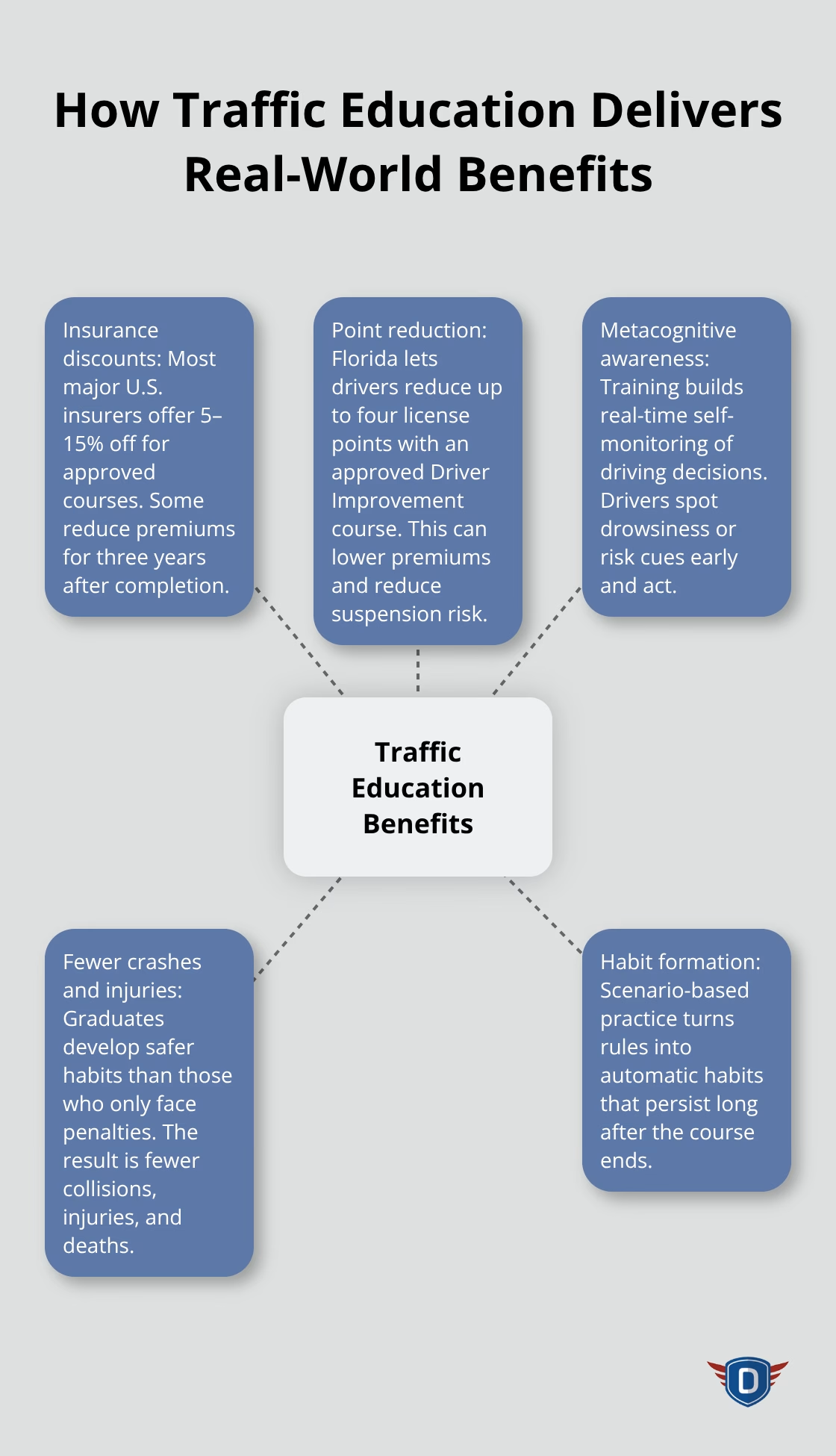
Point reduction is equally concrete: Florida allows drivers to reduce up to four points on their license by completing an approved Driver Improvement course, which directly affects insurance rates and the likelihood of license suspension.
Real Financial Impact and Lasting Behavioral Change
A driver facing a $500 insurance increase over three years has immediate financial motivation to complete a course, but the real payoff emerges months later when that driver instinctively maintains proper following distance, recognizes an impaired driver ahead, or adjusts speed for weather conditions without consciously thinking about it. Our Florida-approved courses are structured specifically to create lasting behavioral change by combining real-world scenarios with practical defensive driving techniques. The curriculum doesn’t lecture about abstract safety principles; it walks drivers through actual intersection decisions, highway merge situations, and the specific moments where attitude affects outcome.
Muscle Memory for Safer Decisions
Drivers who work through these scenarios develop muscle memory for safer decisions, and that muscle memory persists long after the course ends. This practical approach transforms traffic laws from rules you follow because you must into habits you follow because they feel natural. The scenarios you encounter in formal education stick with you at the exact moments when they matter most-when you’re tired on a late-night drive, when traffic suddenly slows ahead of you, or when weather conditions deteriorate unexpectedly.
Final Thoughts
Traffic law education basics form the foundation of safer driving, and the evidence proves it works. Drivers who understand traffic laws make better decisions on the road, and enforcement demonstrates this impact by reducing crashes measurably. Speed limits, right-of-way rules, distracted driving laws, and impaired driving standards exist because they prevent deaths-40,901 traffic fatalities occurred in 2023, with Florida accounting for 3,745 of those preventable losses.
Structured traffic education programs deliver concrete results that drivers can measure in their wallets and their safety records. Insurance companies offer discounts ranging from 5 to 15 percent to drivers who complete approved courses, while Florida allows drivers to reduce up to four points on their license through approved Driver Improvement courses. More importantly, drivers who work through real-world scenarios develop the ability to recognize hazards and adjust their behavior in the moment when it matters most.
The shift from passive rule-following to active hazard recognition separates effective education from ineffective lectures. A driver who understands the three-second following distance rule maintains it instinctively on the highway, and a driver who has studied how fatigue affects reaction time recognizes the early signs of drowsiness and pulls over before a crash happens. Visit DriverEducators.com to explore how our approved courses can help you protect your record, lower your costs, and make a real difference on the road.