Florida’s roads demand more than basic driving skills. Rain, heavy traffic, and aggressive drivers create hazards that catch unprepared motorists off guard.
Defensive driving techniques in Florida aren’t optional-they’re essential for staying safe on local roads. We at DriverEducators.com have built our courses around the strategies that actually work in Florida’s unique driving environment.
The Foundation of Defensive Driving in Florida
Following Distance: Your Safety Buffer
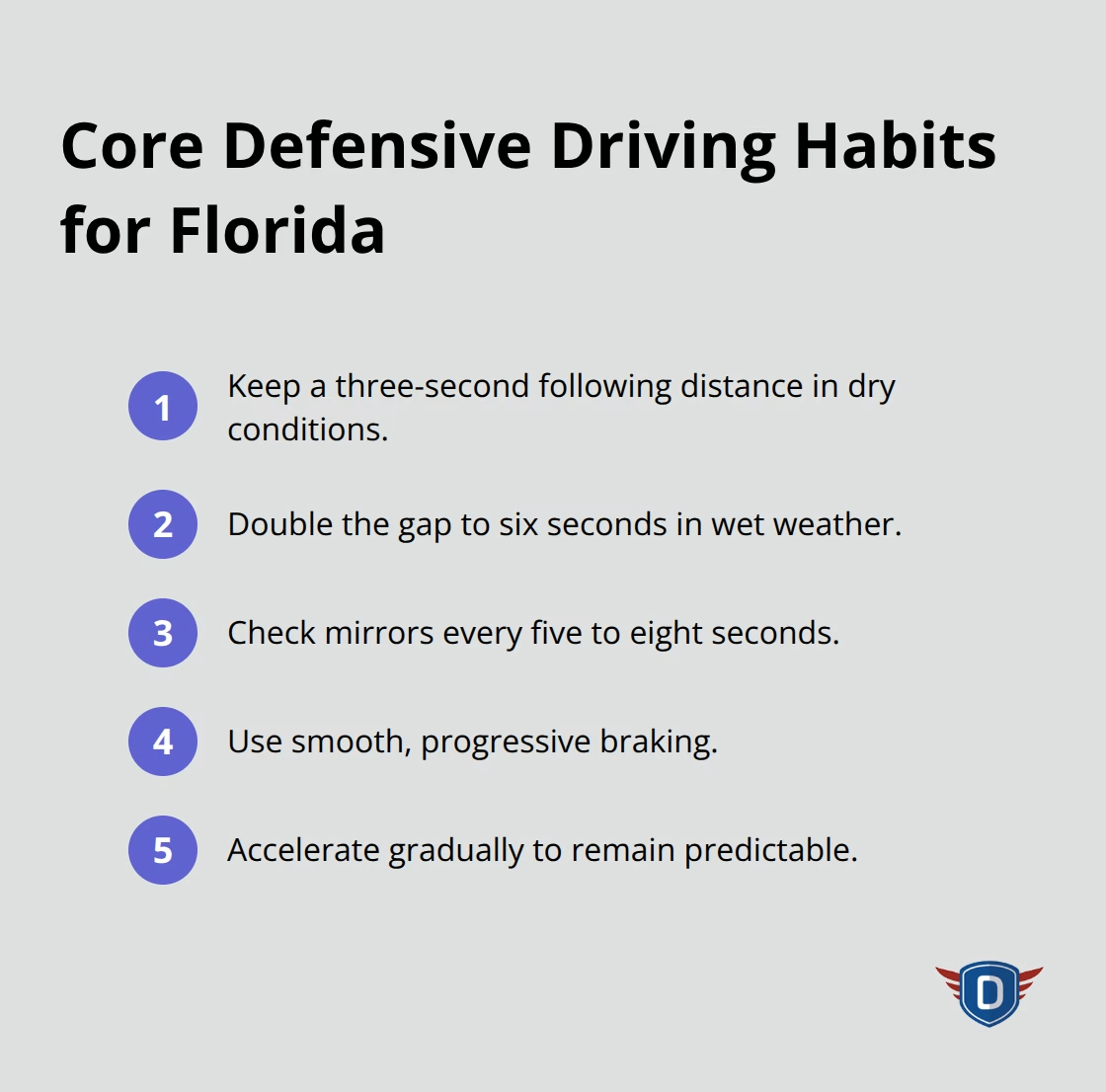
The National Safety Council recommends a three-second following distance, but Florida’s roads demand stricter adherence to this rule. With roughly 350,000 crashes annually across the state, the gap between your vehicle and the one ahead isn’t just empty pavement-it’s your safety buffer. In wet conditions, which Florida drivers encounter frequently during the rainy season, that three-second gap should double. Most drivers underestimate how much distance they actually need.
At 55 mph on a typical Florida highway, you cover approximately 80 feet per second. If the car ahead brakes suddenly, your reaction time alone consumes 60 feet before your foot even touches the pedal. Smooth braking matters here. Apply steady pedal pressure and progressively increase braking force rather than slamming the brake. This approach maintains steering control and reduces wear on brake components, lowering the risk of rear-end crashes that plague congested urban areas like Miami and Tampa.
Mirror Checks and Blind Spot Awareness
Hazard awareness separates defensive drivers from those who simply occupy a seat. Check your mirrors every five to eight seconds, not just occasionally. Adjust them properly before you move-side mirrors should show just a sliver of your vehicle’s side, and your rearview mirror should frame the entire rear window. Blind spots exist on both sides, roughly where a vehicle’s C-pillar blocks your view. A quick shoulder check eliminates guesswork and reveals vehicles you cannot see in your mirrors.
Speed Control in Changing Conditions
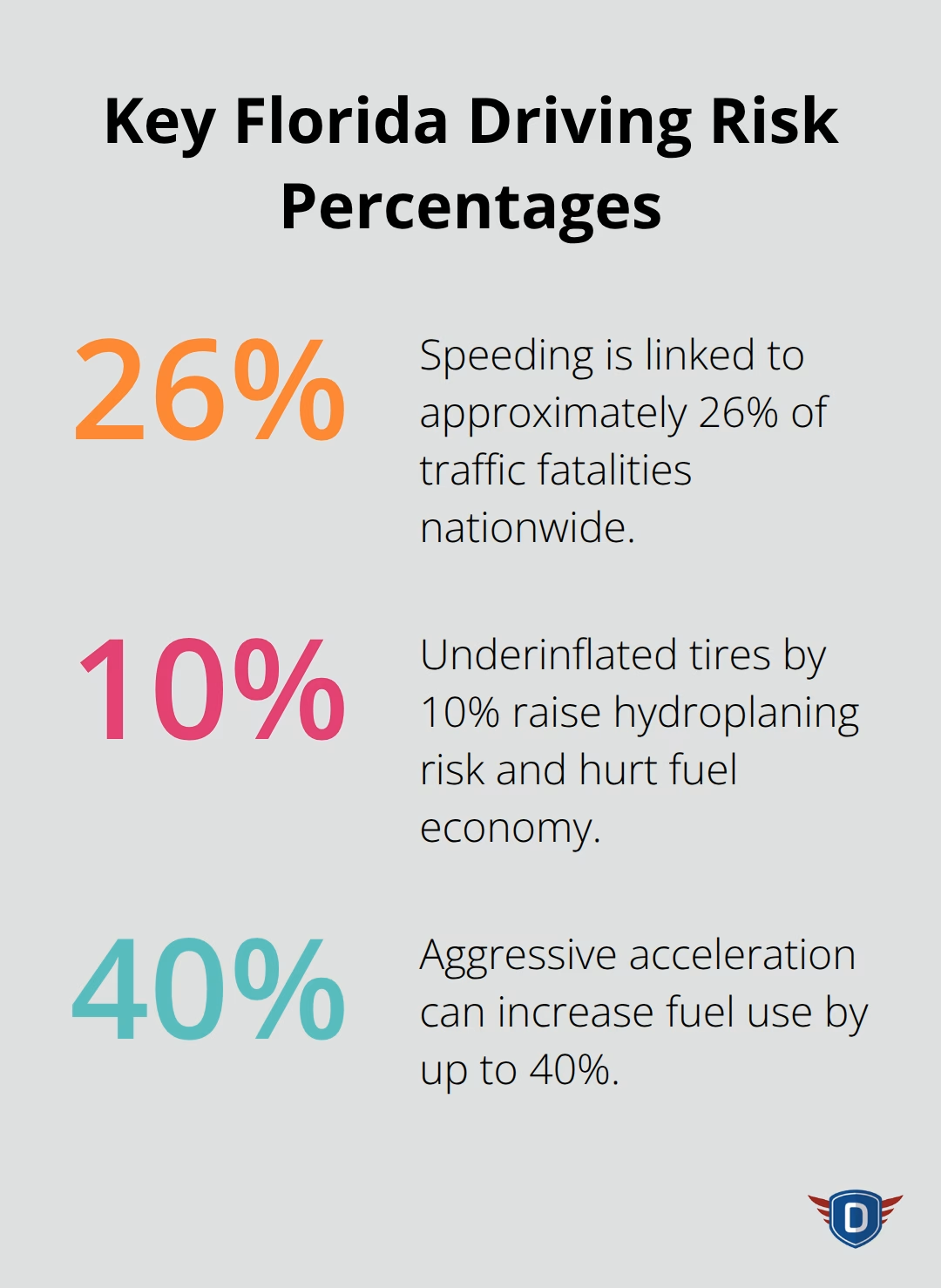
Speed control based on conditions isn’t negotiable in Florida. Speeding accounts for approximately 26% of traffic fatalities nationwide, and Florida’s typical speed limits-30 mph in urban areas, 55 mph on rural highways, and 70 mph on interstates-exist for specific reasons. When rain reduces visibility and increases stopping distance, the posted limit becomes irrelevant. Reduce speed by 10 to 15 mph in heavy rain.
In fog, use low beams and pull completely off the road if visibility drops below safe levels. Heavy storms create conditions where visibility plummets and hydroplaning becomes a genuine threat. Tire tread depth and proper air pressure directly affect your ability to maintain traction. Check tire pressure monthly and before long trips-underinflated tires increase hydroplaning risk significantly.
These adjustments transform how you navigate Florida’s unpredictable weather patterns and set the stage for understanding the specific hazards that demand your attention on local roads.
What Makes Florida Roads Uniquely Hazardous
Heavy Traffic Demands Constant Positioning Awareness
Urban Florida highways concentrate thousands of vehicles into narrow corridors, and the consequences of poor positioning are immediate. Miami-Dade County alone experiences approximately 50,000 traffic crashes annually, with congestion transforming routine commutes into high-stress environments where split-second decisions matter. Heavy traffic requires constant awareness of lane changes happening around you. Most drivers fixate on the vehicle directly ahead and miss the aggressive driver two cars back preparing to cut across three lanes.
Position your vehicle in the center lane of multi-lane roads when possible, avoiding the rightmost lane where merging traffic creates unpredictability. Never occupy the left lane except to pass. Exit the passing lane immediately after overtaking, even if you travel above the posted speed limit. This single habit eliminates a major source of road rage and reduces the likelihood of being struck from behind. Maintain at least one car length of space on both sides of your vehicle during heavy traffic, which gives you an escape route if sudden braking occurs ahead.
Wet Roads and Hydroplaning Threats
Wet roads transform Florida driving from routine to genuinely dangerous. The state receives approximately 50 inches of annual rainfall, concentrated heavily during summer months when thunderstorms arrive without warning. Hydroplaning occurs when water pressure builds beneath your tires faster than water can escape, lifting your vehicle off the pavement entirely. Most drivers believe they hydroplane when they actually lose traction due to worn tire tread.
Check your tire tread depth using the penny test-insert a penny into the tread with Lincoln’s head upside down; if you see the top of his head, replace the tire immediately. Proper tire pressure is equally critical. Underinflated tires by just 10 percent increase hydroplaning risk substantially and reduce fuel efficiency. Check pressure monthly and before long trips, using the manufacturer’s recommended PSI found on the driver’s door jamb, not the maximum pressure listed on the tire sidewall. When you drive on wet roads, reduce speed by 10 to 15 mph from the posted limit and increase your following distance to at least six seconds.
Distracted and Aggressive Drivers
Distracted and aggressive drivers represent a different hazard entirely-one you cannot control through technique alone. Distracted driving creates enormous potential for deaths and injuries on U.S. roads, with thousands of fatalities occurring annually. Florida drivers frequently encounter vehicles weaving between lanes at excessive speeds, often with occupants visibly using phones. You cannot prevent their behavior, but you can refuse to engage with it.
If an aggressive driver tailgates you, do not brake-check them or escalate the situation. Instead, slow gradually and allow them to pass. If a driver cuts you off, maintain composure and assume they did not see you rather than assuming malice.
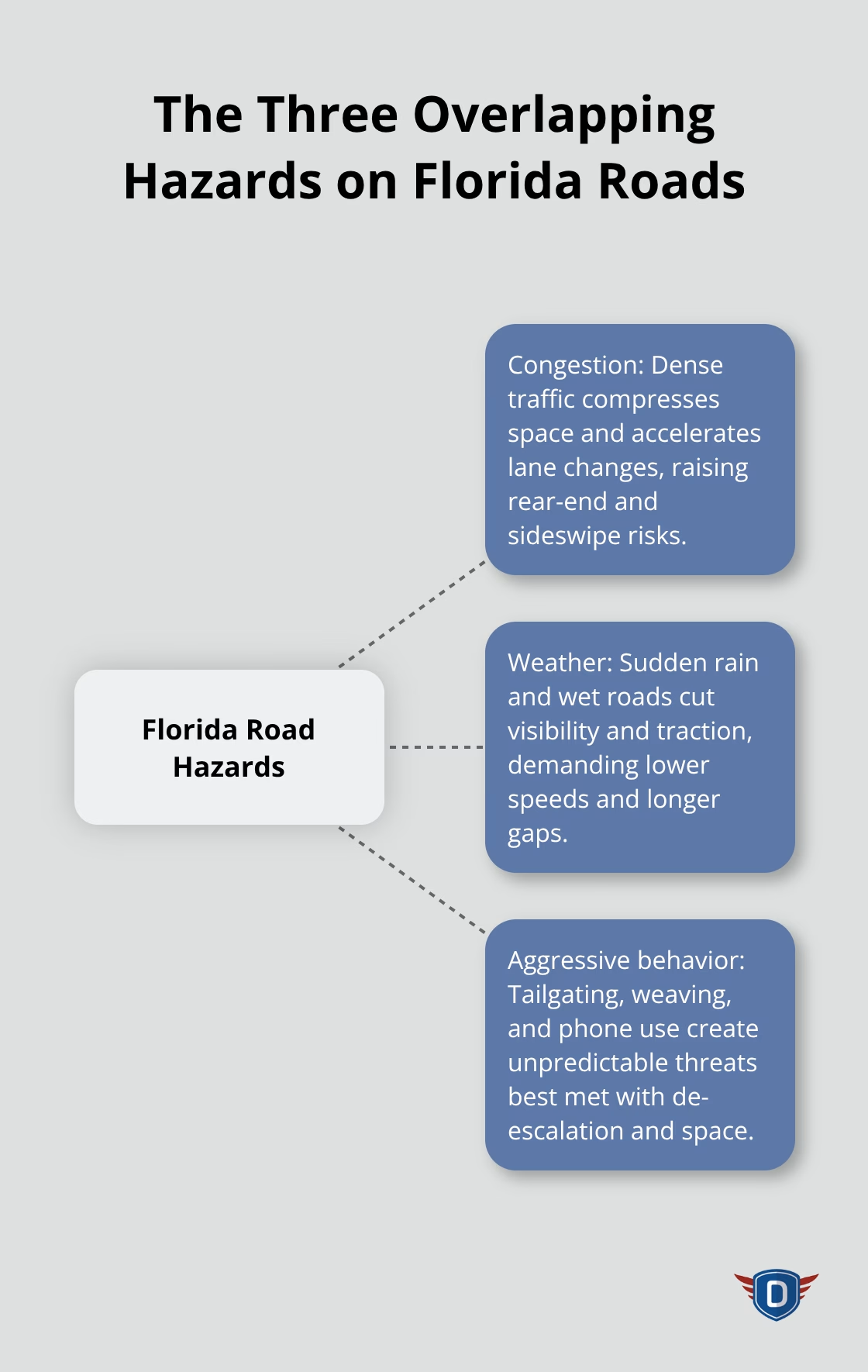
Road rage incidents kill people, and no commute is worth that risk. These three hazard categories-congestion, weather, and aggressive behavior-overlap constantly on Florida roads, which means your defensive strategies must address all three simultaneously.
How to Master Mirror Checks and Smooth Vehicle Control
Effective Mirror Use Prevents Side-Impact Crashes
Your mirrors are worthless if you do not use them correctly, and most Florida drivers fail at this fundamental task. Check your mirrors regularly, not randomly when you remember. This rhythm becomes automatic after a week of deliberate practice and transforms how quickly you spot hazards developing around your vehicle. Adjust your side mirrors before moving so they show just a sliver of your vehicle’s body, eliminating the overlap that creates blind spots. Your rearview mirror should frame the entire rear window without tilting.
A quick shoulder check before changing lanes or turning reveals vehicles that hide in your blind spots, roughly where a vehicle’s C-pillar blocks your view. This three-step process-mirror check, mirror check again, shoulder check-takes three seconds and prevents the majority of side-impact crashes that occur when drivers merge without seeing what is actually beside them.
Smooth Acceleration Signals Predictability
Acceleration should be gradual, not sudden, which means easing onto the gas pedal rather than stabbing it. Aggressive acceleration increases fuel consumption by up to 40 percent and signals to other drivers that you are unpredictable. Smooth acceleration keeps your vehicle stable and maintains the trust of drivers around you who depend on predictable behavior to make their own decisions safely.
Progressive Braking Maintains Control
Braking matters more than acceleration on Florida’s congested roads. Apply steady pedal pressure and progressively increase force rather than slamming the brake, which reduces rear-wheel traction and increases stopping distance. If your vehicle has antilock brakes, apply consistent pressure and avoid pumping-the system handles modulation automatically. Smooth braking maintains steering control when you need it most and reduces wear on brake components, which extends the lifespan of your brakes significantly.
Controlled Steering Prevents Loss of Traction
Steering inputs should be deliberate and smooth. Jerky steering at highway speeds destabilizes your vehicle and can cause loss of control in wet conditions. Turn the wheel gradually and return it gradually after completing the maneuver.
These three elements-smooth acceleration, progressive braking, and controlled steering-work together to keep your vehicle stable and predictable, which is exactly what defensive driving demands on Florida’s congested and weather-challenged roads.
Final Thoughts
Defensive driving techniques in Florida address the specific hazards you face on local roads-following distance, mirror checks, speed control, and smooth vehicle handling prevent crashes when rain reduces visibility, traffic intensifies, or aggressive drivers create dangerous situations. The 350,000 crashes occurring annually across Florida prove that basic driving skills fall short. You need strategies that anticipate hazards before they develop and responses that keep your vehicle stable when conditions deteriorate.
We at DriverEducators.com built our courses around these exact techniques because they save lives. Our Florida-approved traffic school programs teach defensive driving through real-life scenarios that reflect what you actually encounter on Miami highways, Tampa streets, and rural Florida roads. Whether you take our Basic Driver Improvement course to address a moving violation or our Intermediate Driver Improvement program for deeper skill development, the curriculum focuses on crash avoidance strategies and the decision-making habits that separate safe drivers from those who rely on luck.
Your individual choices compound across thousands of drivers, transforming Florida’s roads from hazardous corridors into safer environments. When you practice smooth acceleration and progressive braking, you signal predictability to drivers around you. Start with our comprehensive driver education programs and commit to the defensive driving techniques that work.