Your first driving lesson sets the foundation for everything that follows. Getting behind the wheel for the first time brings both excitement and uncertainty, but having a beginner driving lessons checklist removes the guesswork.
We at DriverEducators.com have guided thousands of new drivers through this critical transition. This guide walks you through what to expect, the skills you need to master, and how we prepare you for independent driving.
Your First Driving Lesson Breakdown
Understanding Vehicle Controls Before You Drive
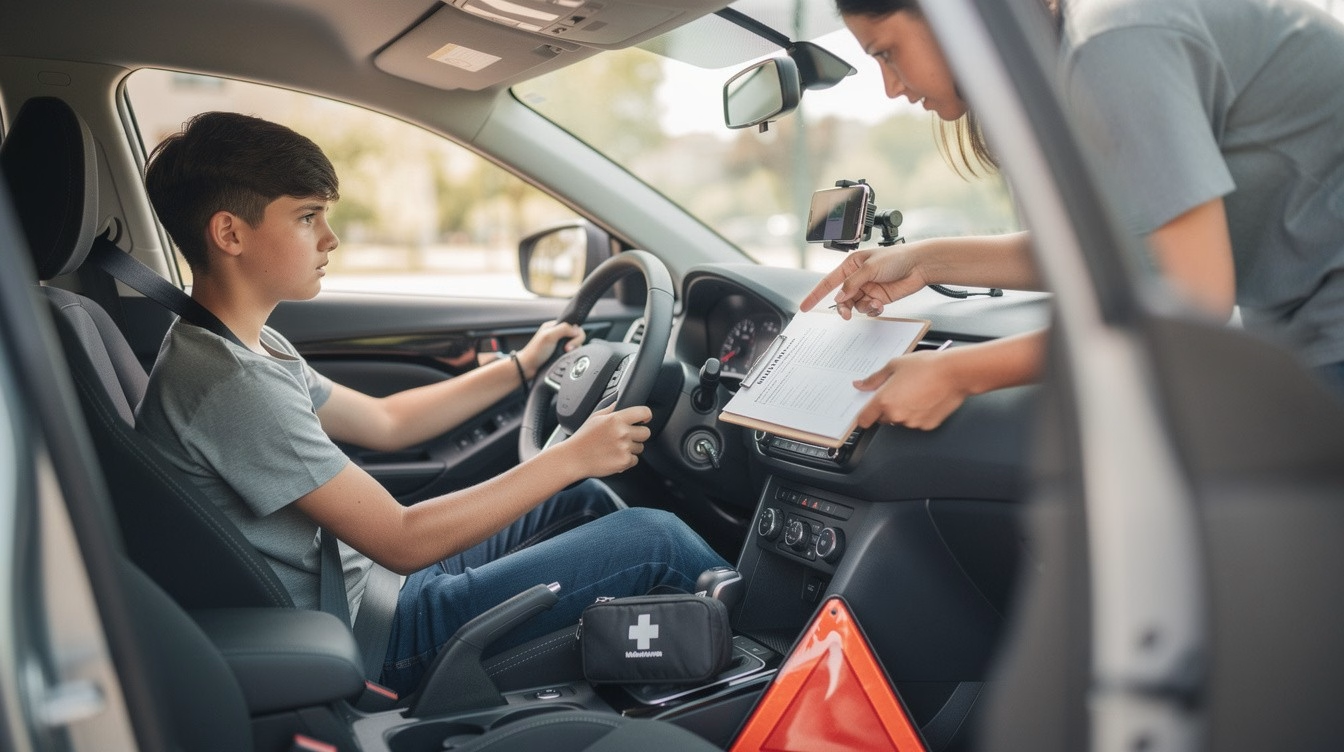
Your first lesson focuses on three non-negotiable foundations: understanding what every button and lever does, positioning yourself correctly in the seat, and developing the muscle memory for smooth steering and pedal control. Most new drivers waste their first lesson fumbling with seat adjustments or asking basic questions about dashboard functions that should be handled before the instructor even starts the engine. You’ll spend the first 10 to 15 minutes on a vehicle walk-through where you learn the location of critical controls like the ignition, windshield wipers, headlights, and emergency brake.
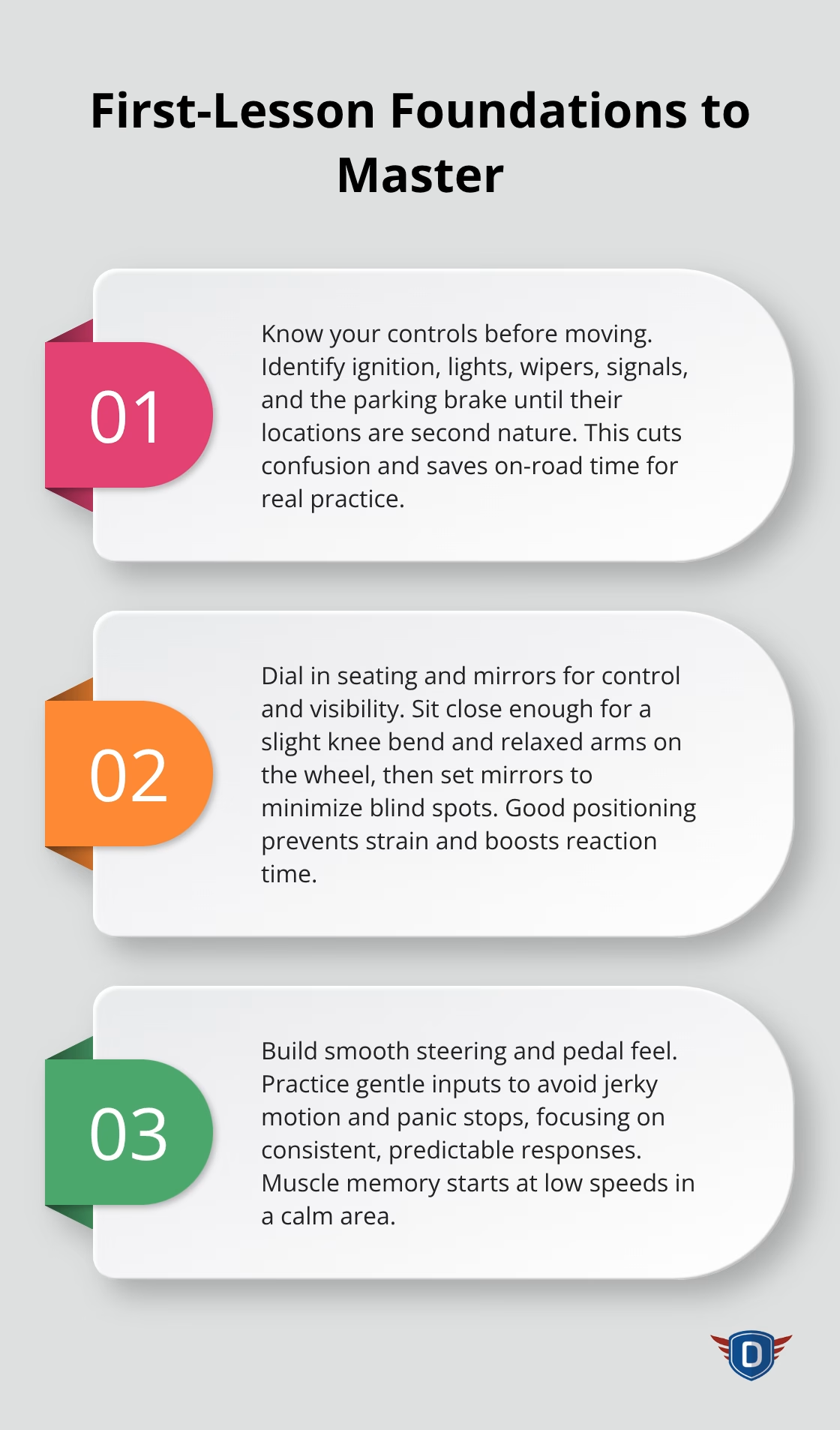
Your instructor will show you how the gas and brake pedals feel under your foot and explain the difference between responsive and gradual pressure. This isn’t theory-it’s hands-on familiarity that prevents panic when you need to stop quickly. You’ll also identify the steering wheel position, turn signals, and any other controls specific to your vehicle.
Positioning Yourself for Maximum Control
The seat position matters far more than most beginners realize; sitting too far back or too close to the steering wheel reduces your control and visibility. A proper seating position means your legs have a slight bend at the knees when your foot rests on the pedal, and your arms can reach the steering wheel without stretching. This alignment gives you the leverage and reach you need to respond quickly to road situations.
Mirror adjustment comes next, and getting this right prevents dangerous blind spots that can hide motorcycles or smaller vehicles. Your instructor will adjust the side mirrors so you see a sliver of your vehicle’s edge on the inside and mostly road on the outside, which gives you the widest possible view. Proper mirror placement takes only minutes but protects you throughout your entire driving life.
Building Steering and Pedal Coordination
Once you’re positioned correctly, steering and pedal coordination begin in a parking lot or empty space where there’s zero traffic pressure. Your first movements are intentionally slow-you’re learning how much steering wheel input creates how much vehicle movement, not racing to prove you’re ready for the road. Most instructors start with straight-line driving to build confidence in brake and gas control before introducing turns.
You’ll practice smooth acceleration without jerking and gradual braking without slamming, because abrupt inputs scare passengers and signal to any examiner that you lack control. Turning introduces the concept of hand position and how to steer smoothly through a corner without over-correcting. This foundation matters because it builds the physical habits that make everything else safer and easier.
Repetition Builds Automatic Responses
Your instructor will likely have you practice the same maneuvers multiple times in the same location so repetition builds automatic responses rather than conscious thinking. This first lesson isn’t about covering distance or reaching speed limits-it’s about building the physical habits that make everything else safer and easier. Once you master these basics in a controlled environment, you’re ready to apply them on actual roads with real traffic.
Essential Skills to Master Before Solo Driving
Start and Stop With Control
Starting and stopping safely forms the foundation of independent driving, and most new drivers underestimate how much practice this requires. Your first solo drives should happen on quiet residential streets where you can practice smooth acceleration without jerking the vehicle forward, then gradual braking that brings the car to a complete stop without lurching.
The difference between a panic stop and a controlled stop comes down to pressure on the brake pedal-you need firm, steady input rather than slamming. Maintaining adequate space between vehicles gives you the room to brake gradually without locking your wheels, and this rule applies in all conditions. Once you can start from a dead stop, accelerate smoothly to 25 mph, and brake to a complete stop without passenger discomfort, you’re ready to progress to busier roads.
Master Lane Changes and Turning
Turning and changing lanes correctly requires signal discipline and mirror awareness that many beginners skip. You must signal at least three to five seconds before any lane change or turn so other drivers have time to react, and you cannot assume that signaling alone keeps you safe.
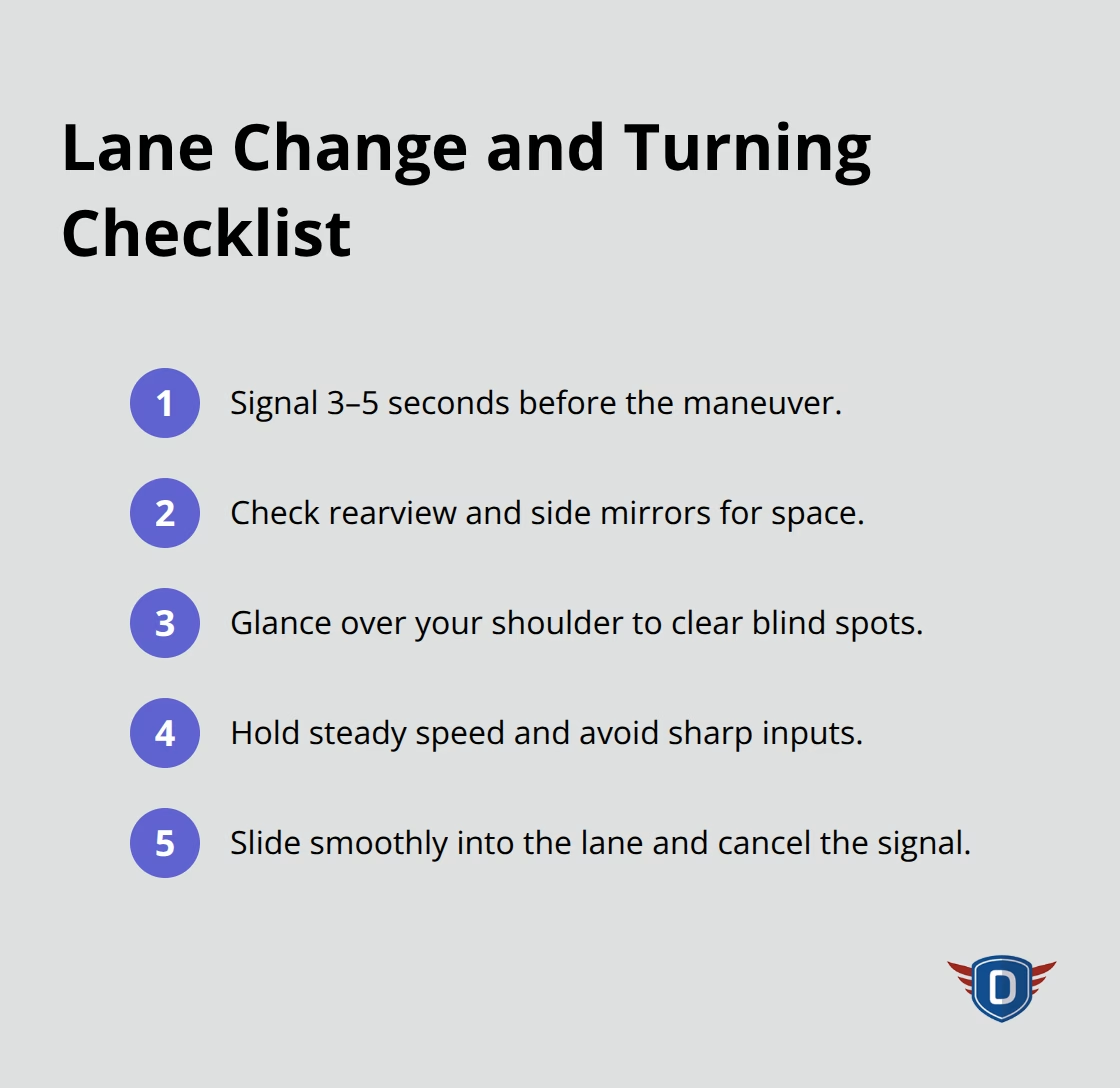
Check your mirrors, glance over your shoulder to verify your blind spot is clear, then execute the maneuver smoothly without sudden steering inputs. Poor lane changes cause collisions in real-world driving more often than most people realize, so practice this skill repeatedly on multi-lane roads with moderate traffic until it becomes automatic rather than something you think about.
Handle Varied Road Conditions
Different road conditions and traffic situations demand flexibility and quick decision-making that only comes through varied practice. Rain reduces tire grip and extends stopping distance, so you should practice in light rain on low-speed roads before attempting highway driving in wet weather.
School zones require you to drive at 15 mph when lights are flashing, and pedestrian density in these areas means constant hazard scanning. Heavy traffic teaches you to anticipate other drivers’ movements rather than reacting after they’ve already changed lanes or turned, and this predictive thinking separates confident drivers from nervous ones.
Recognize Your Readiness for Solo Driving
Solo driving readiness means you can handle these situations without second-guessing yourself, maintain calm focus for 30 minutes or more, and correct minor mistakes immediately without panic or frustration. You execute each maneuver smoothly, respond to hazards before they become emergencies, and keep your attention on the road rather than on your own performance.
These skills don’t develop overnight, but they do develop through consistent, focused practice across different environments and traffic levels. Once you demonstrate these abilities reliably, you’re prepared to navigate the more complex scenarios that highway driving and rush-hour traffic present.
How DriverEducators.com Prepares You for Safe, Confident Driving
Teaching Florida Traffic Laws in Real-World Context
We at DriverEducators.com build our approach around three pillars that separate competent drivers from nervous ones: teaching you the actual traffic laws you’ll encounter, connecting you with instructors who identify and correct bad habits before they become dangerous, and removing scheduling barriers that prevent consistent practice. Florida traffic law isn’t intuitive, and most new drivers learn it through mistakes rather than instruction.
Our curriculum covers right-of-way rules at four-way stops, proper positioning on multi-lane roads, school zone speed requirements, and pedestrian interaction patterns that vary by location. You learn that a flashing yellow light requires caution but allows you to proceed if safe, whereas a flashing red light demands a complete stop. These distinctions matter because misunderstanding them causes collisions and traffic violations.
We embed these rules into real-world scenarios rather than abstract definitions, so when you encounter an actual intersection, your response is automatic rather than hesitant. The Florida Department of Highway Safety and Motor Vehicles sets strict standards for what drivers must know, and our program aligns with those requirements while going deeper into the judgment calls that written tests cannot measure.
How Certified Instructors Correct Bad Habits
Certified instructors form the core difference between learning to drive and learning to drive safely. An instructor watches your steering inputs, notices when you grip the wheel too tightly, catches the moment you stop checking your mirrors, and corrects these habits before they crystallize into permanent patterns.
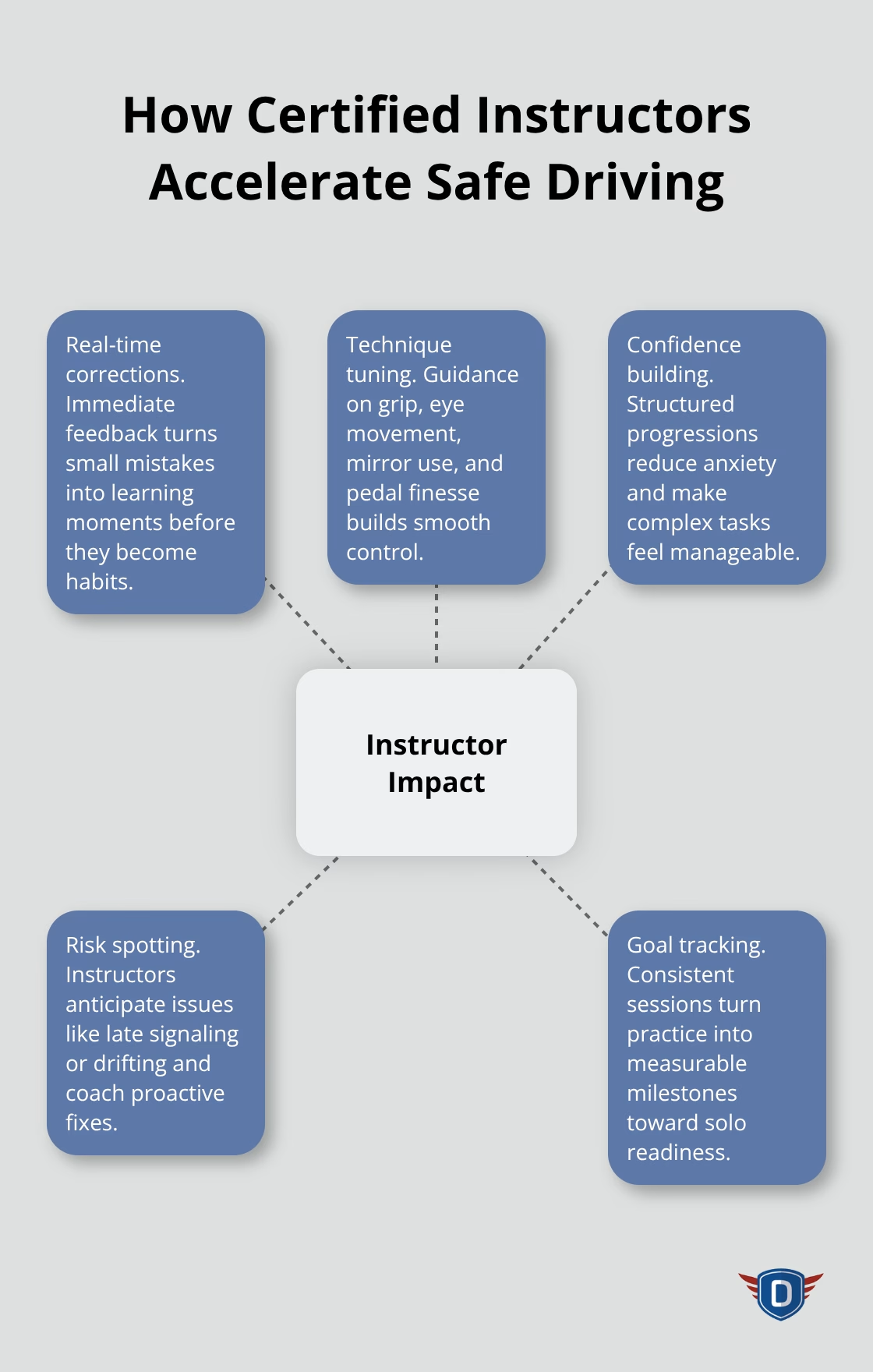
A nervous beginner often develops a death grip on the steering wheel, which reduces your ability to feel how the vehicle responds and makes corrections jerky rather than smooth. An experienced instructor sees this tension and teaches you to hold the wheel with enough firmness to control the vehicle while maintaining the sensitivity needed for precision. Consistent feedback from instructors helps correct habits early before they become long-term risks.
Online courses work well for learning traffic laws and defensive principles, but they cannot replicate the real-time correction that transforms knowledge into skill.
Flexible Scheduling for Consistent Progress
We offer flexible scheduling because consistent practice matters more than marathon sessions, and sporadic lessons separated by weeks of no driving guarantee that you’ll forget what you learned and restart from scratch each time. Regular, shorter practice sessions build muscle memory and confidence far more effectively than occasional intensive blocks.
Multiple languages including Spanish and Portuguese ensure that language barriers don’t prevent any driver from accessing quality instruction, because a driver who doesn’t fully understand the rules is a danger to themselves and others on the road. Access to instruction in your preferred language removes a critical obstacle to safe driving preparation.
Final Thoughts
Your beginner driving lessons checklist covers the foundation, but mastery requires consistent practice across real-world scenarios. The skills you build during your first lessons-vehicle control, smooth acceleration and braking, proper mirror usage, and hazard awareness-form the basis for everything that follows. Without these fundamentals, highway driving and heavy traffic become overwhelming rather than manageable. Structured instruction combined with varied practice transforms nervous beginners into confident drivers who handle complex situations with ease.
We at DriverEducators.com recognize that every driver’s journey differs. Some learners progress quickly through basic skills and need advanced training for highway driving and complex traffic situations, while others benefit from additional practice in specific areas like parking or lane changes (our certified instructors tailor guidance to your pace and learning style). Your next step is straightforward: schedule your first lesson and commit to consistent practice across different road conditions and traffic levels. Visit DriverEducators.com to explore our Florida-approved programs and find an instructor who matches your needs.