Behind wheel practice tips separate skilled drivers from those who struggle with confidence and control. Most new drivers waste months repeating the same mistakes instead of building real competency.
At DriverEducators.com, we’ve seen firsthand how structured practice with professional guidance cuts learning time in half. The difference comes down to knowing what to focus on and how to track your progress.
Build Real Defensive Skills During Practice
Spot Hazards Before They Become Emergencies
Defensive driving isn’t about memorizing rules-it’s about training your brain to spot danger before it arrives. Spot hazards before they arrive through deliberate, focused practice that targets the specific situations you’ll face on Florida roads. This happens only through consistent training that builds your ability to recognize risky behaviors and dangerous conditions.
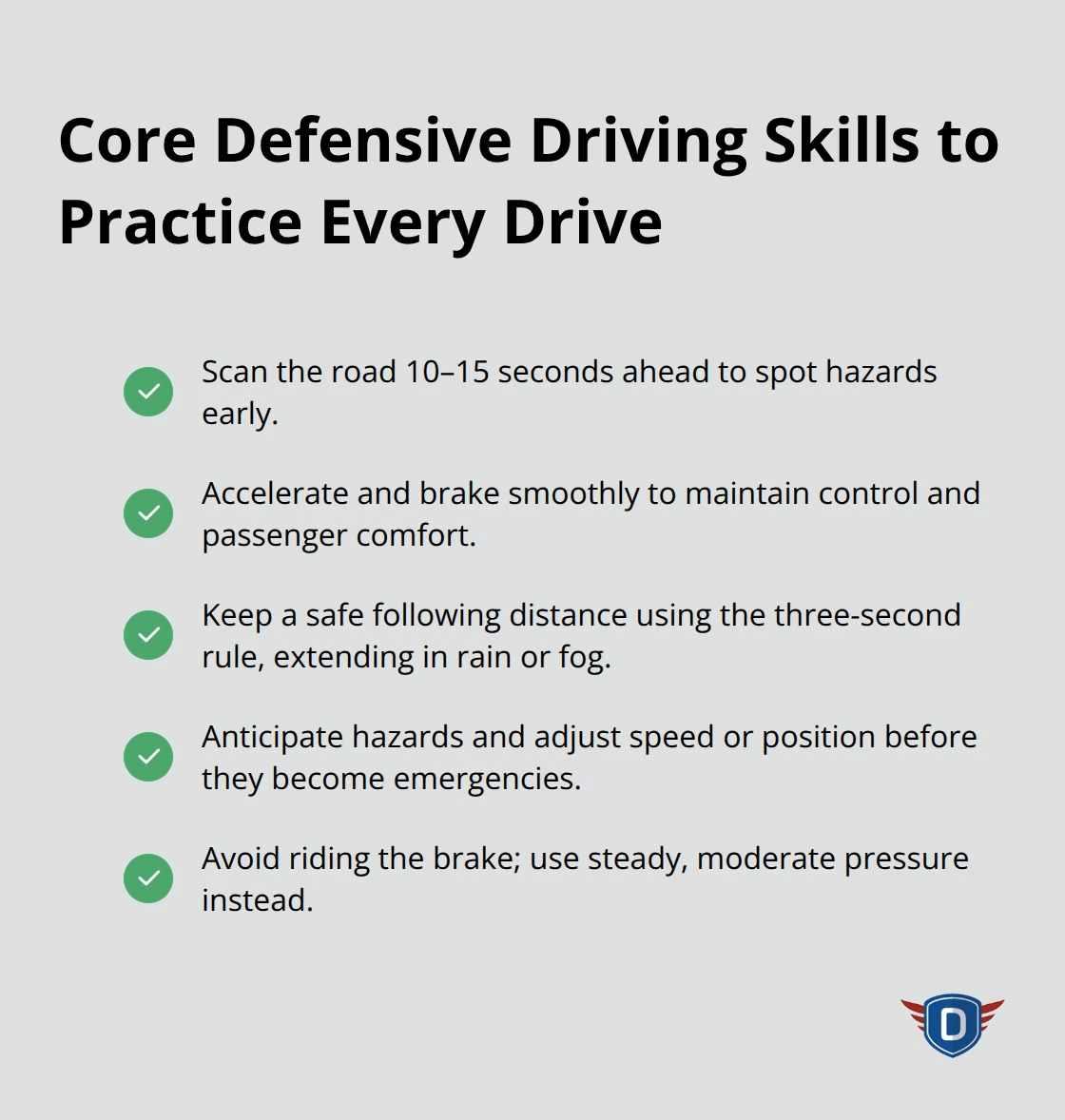
Start by scanning the road 10–15 seconds ahead instead of staring at the car in front of you. Look for brake lights, pedestrians stepping off curbs, cyclists weaving between lanes, and erratic drivers changing lanes without signaling. When you anticipate hazards early, you have time to adjust speed or position rather than reacting in panic.
Practice this during every drive, not just when conditions feel dangerous. Your brain builds pattern recognition through repetition, so consistent scanning trains you to spot threats automatically.
Master Smooth Pedal Control
Smooth acceleration and braking matter far more than most new drivers realize. Ease into the gas pedal gradually instead of jabbing it, and anticipate slowing traffic or red lights by lifting off the accelerator early rather than braking hard at the last moment. Smooth driving reduces vehicle wear, improves fuel efficiency, and keeps your passengers comfortable-all signs that you’re maintaining control.
Use steady, moderate brake pressure and avoid the common mistake of riding the brake, which wears pads faster and signals confusion to drivers behind you. Each time you practice smooth pedal transitions, you reinforce muscle memory that transfers directly to real-world driving.
Maintain Safe Following Distance
The three-second rule for following distance is non-negotiable in Florida traffic. Pick a fixed object ahead-a road sign or tree-and count the seconds it takes your car to reach it after the vehicle in front passes. If you count fewer than three seconds, you’re too close.
In rain, fog, or heavy traffic, extend this to four or five seconds because wet roads and reduced visibility cut your reaction time. Most new drivers tailgate without realizing it, which turns a minor mistake by the car ahead into a collision.
Consistent practice of these three skills-hazard anticipation, smooth pedal control, and proper following distance-transforms your driving from reactive to proactive. You’ll feel more in control and make safer decisions. The next step is structuring your practice routes to build these skills systematically rather than hoping they develop through random driving.
Practice Routes That Actually Build Confidence
Start Small and Progress Systematically
Most new drivers waste practice time on familiar streets, which creates false confidence without preparing them for real challenges. Structured route progression works differently. Start in empty parking lots or quiet residential neighborhoods with minimal traffic, focusing purely on vehicle control-smooth steering inputs, predictable braking, and accurate positioning. Spend at least five to ten practice sessions in these low-stress environments before moving to busier roads. Your brain needs repetition in simplified conditions before it can handle the cognitive load of traffic, pedestrians, and complex decisions simultaneously.
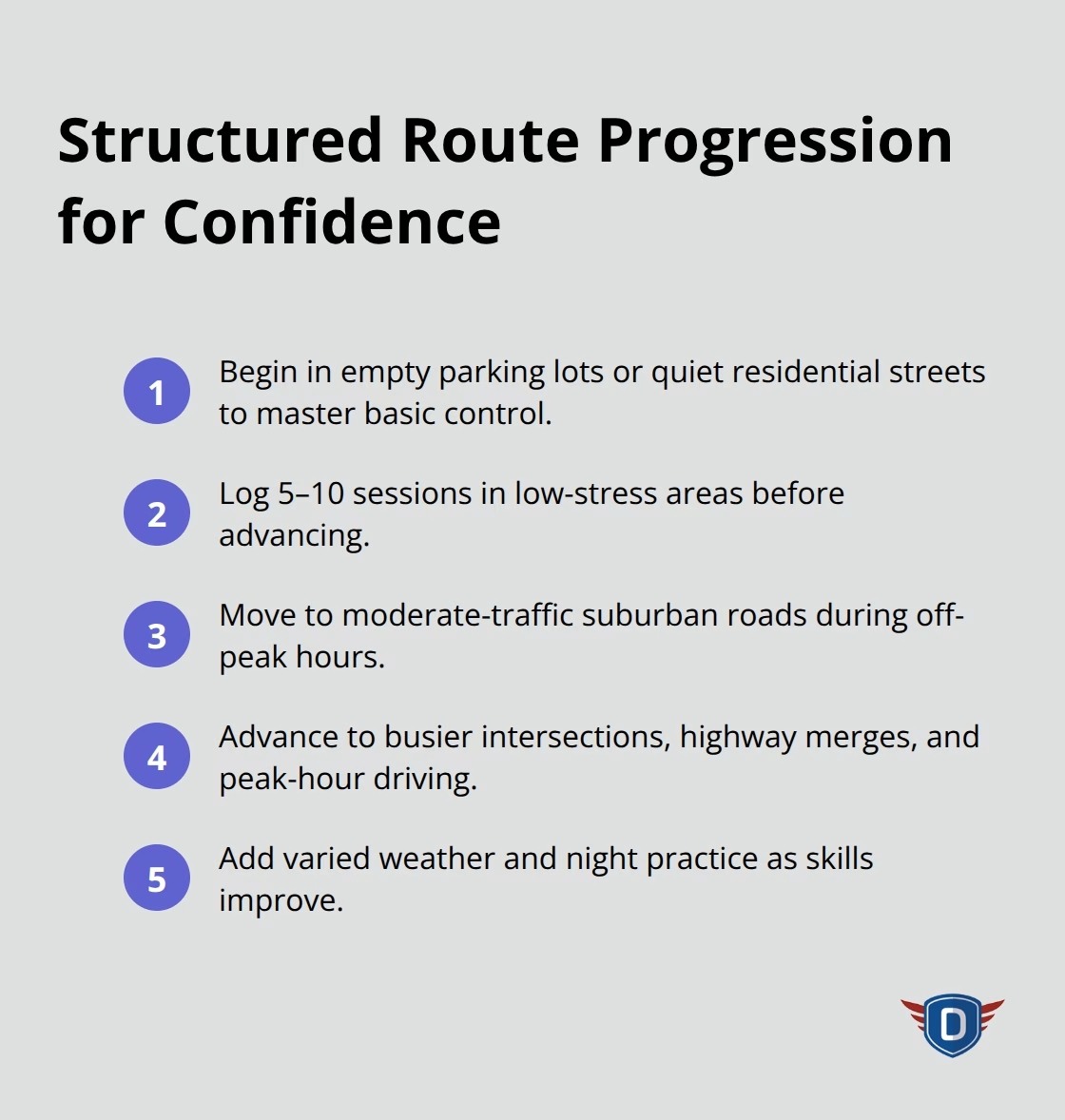
Once basic car control feels automatic, move to moderate-traffic suburban roads during off-peak hours (mid-morning or early afternoon). These routes introduce real traffic without overwhelming you. Then progress to busier intersections, highway merges, and peak-hour driving as your comfort grows.
Build Adaptability Across Different Conditions
The AAA Foundation for Traffic Safety found that drivers with exposure to varied environments develop better reaction times and make fewer critical errors. This means your practice route progression directly impacts your safety skills.
Weather and road conditions demand equal attention to traffic volume. Many new drivers practice only in clear, dry conditions, then panic when rain or fog arrives. Schedule deliberate practice sessions in light rain, heavy rain, and foggy conditions to build adaptability. Night driving deserves dedicated practice too-visibility drops dramatically, and your depth perception changes significantly. Start night practice on well-lit residential streets before attempting dark highways.
Track Progress With a Practice Log
Track every practice session in a simple log noting the date, location, conditions, duration, and specific skills practiced. After ten hours logged, patterns emerge showing which environments challenge you most and where your skills are strongest. This data guides your next sessions toward genuine improvement rather than aimless repetition.
Drivers who log practice hours and review them progress faster because they identify gaps and adjust their focus accordingly. Set a minimum of 50 supervised driving hours before any solo driving, which aligns with Florida requirements for teen drivers but applies equally to adult learners building confidence. These hours accumulate fastest when practice is intentional-specific routes, specific conditions, specific focus-rather than casual neighborhood drives.
The mistakes you make during structured practice reveal exactly where your next training should focus.
What Separates Overconfident Drivers From Safe Ones
Recognize When You’re Not Ready for the Next Challenge
New drivers mistake a few successful trips for genuine competency, then accelerate into situations that exceed their skill level. Overconfidence kills progress faster than any other factor. You’ve driven on five suburban streets without incident, so you assume you’re ready for rush-hour highway merging or downtown parallel parking during peak traffic. That’s backwards.
Competency isn’t about surviving low-stress conditions-it’s about handling the exact scenario that will test you hardest. The NHTSA reports that drivers aged 16–19 have crash rates three times higher than drivers aged 20 and older, largely because inexperience combines with overestimated abilities.
Stop assuming you’re ready for the next challenge. Instead, test yourself deliberately in that exact environment with a certified instructor or experienced driver present. If you can’t execute parallel parking smoothly on a quiet street with two empty spaces, you have no business attempting it in a downtown lot during lunch hour. The same applies to highway merges, heavy traffic, and night driving.
Overconfidence stems from succeeding in easier versions of the skill, not from mastering the hardest version. Practice the hardest version first under supervision, then scale down to easier conditions for reinforcement.
Master Mirror Checks and Blind Spot Awareness
Mirror and blind spot awareness separate drivers who avoid collisions from those who cause them through preventable mistakes. The NHTSA notes that failure to check blind spots contributes to thousands of lane-change crashes annually.
New drivers perform mirror checks inconsistently-they glance occasionally instead of scanning every 5–10 seconds as a non-negotiable habit. During practice, make mirror sweeps automatic: rearview mirror, left mirror, right mirror, then shoulder check before any lane change or turn. Count aloud if needed to enforce the rhythm.
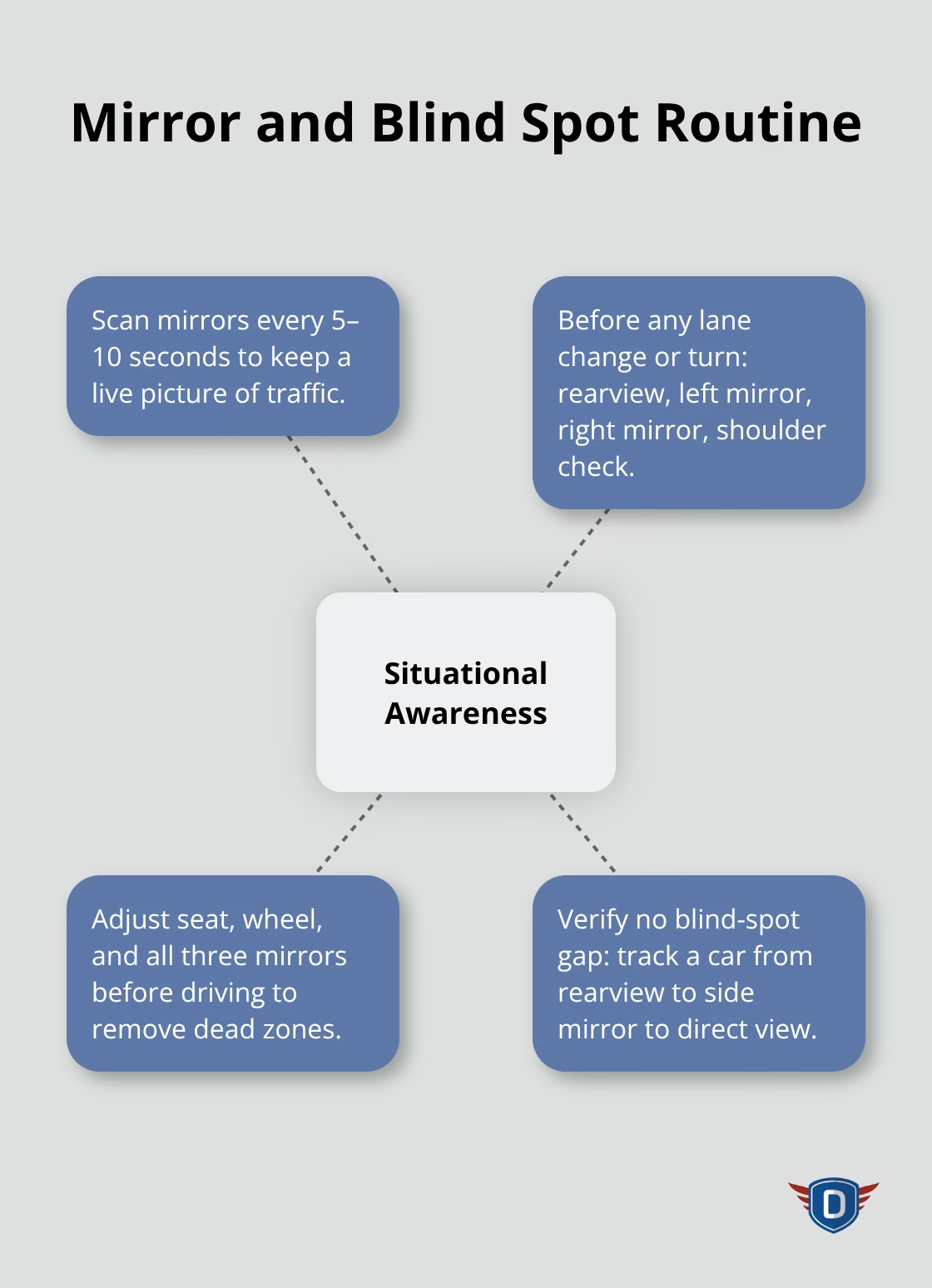
Most new drivers also neglect to adjust mirrors properly before driving, which creates blind spots they don’t even realize exist. Spend five minutes adjusting your seat, steering wheel, and all three mirrors so you eliminate the dead zones where vehicles hide. Position your side mirrors so you see the edge of your car’s body and the lane beside you simultaneously.
Test this by watching a car approach from behind in your peripheral vision-it should appear in your rearview, then your side mirror, then your direct view with no gap where it vanishes.
Develop Precision Through Parallel Parking Drills
Parallel parking and tight maneuvers expose the gaps in your vehicle control faster than any other skill. Most new drivers avoid these situations entirely, which means they never develop the precision needed.
Practice parallel parking at least twice weekly in progressively tighter spaces. Start with spaces 1.5 times your vehicle length, then shrink to standard spaces (about 1.2 times your length), then squeeze into tight spots. Use your mirrors and camera if available, but don’t rely on them-practice steering control, smooth acceleration, and spatial awareness through the wheel.
After ten sessions logged, you’ll notice your hands anticipate the steering angle needed without conscious thought. That’s muscle memory forming. Drivers who skip this practice panic when they encounter tight parking during real driving, and that panic leads to mistakes or avoidance behaviors that limit where they can drive confidently.
Final Thoughts
Professional instruction transforms behind wheel practice tips from guesswork into measurable skill development. When you practice alone, you repeat mistakes without realizing it-bad habits calcify into your driving style. A certified instructor spots these errors immediately and corrects them before they become permanent patterns. At DriverEducators.com, our instructors provide real-time feedback on the specific mistakes that slow your progress, watching your mirror checks, evaluating your following distance, and catching overconfidence before it puts you in danger.
Hands-on experience with Florida traffic laws matters equally because reading a handbook teaches rules while practicing those rules in actual traffic teaches judgment. When your instructor explains why you should increase following distance before a highway merge, then guides you through that exact scenario, the lesson sticks in ways solo study cannot match. Targeted drills build muscle memory faster than random practice-instead of driving aimlessly, you focus on specific skills like smooth braking, lane positioning, or parking precision with your instructor coaching each repetition.
The drivers who progress fastest combine structured practice routes with professional guidance, handling the volume and consistency while your instructor handles the feedback and course correction. This combination cuts learning time significantly compared to solo practice or instruction without deliberate practice between sessions. Contact DriverEducators.com to pair your behind wheel practice tips with expert instruction that accelerates your path to confident, safe driving.