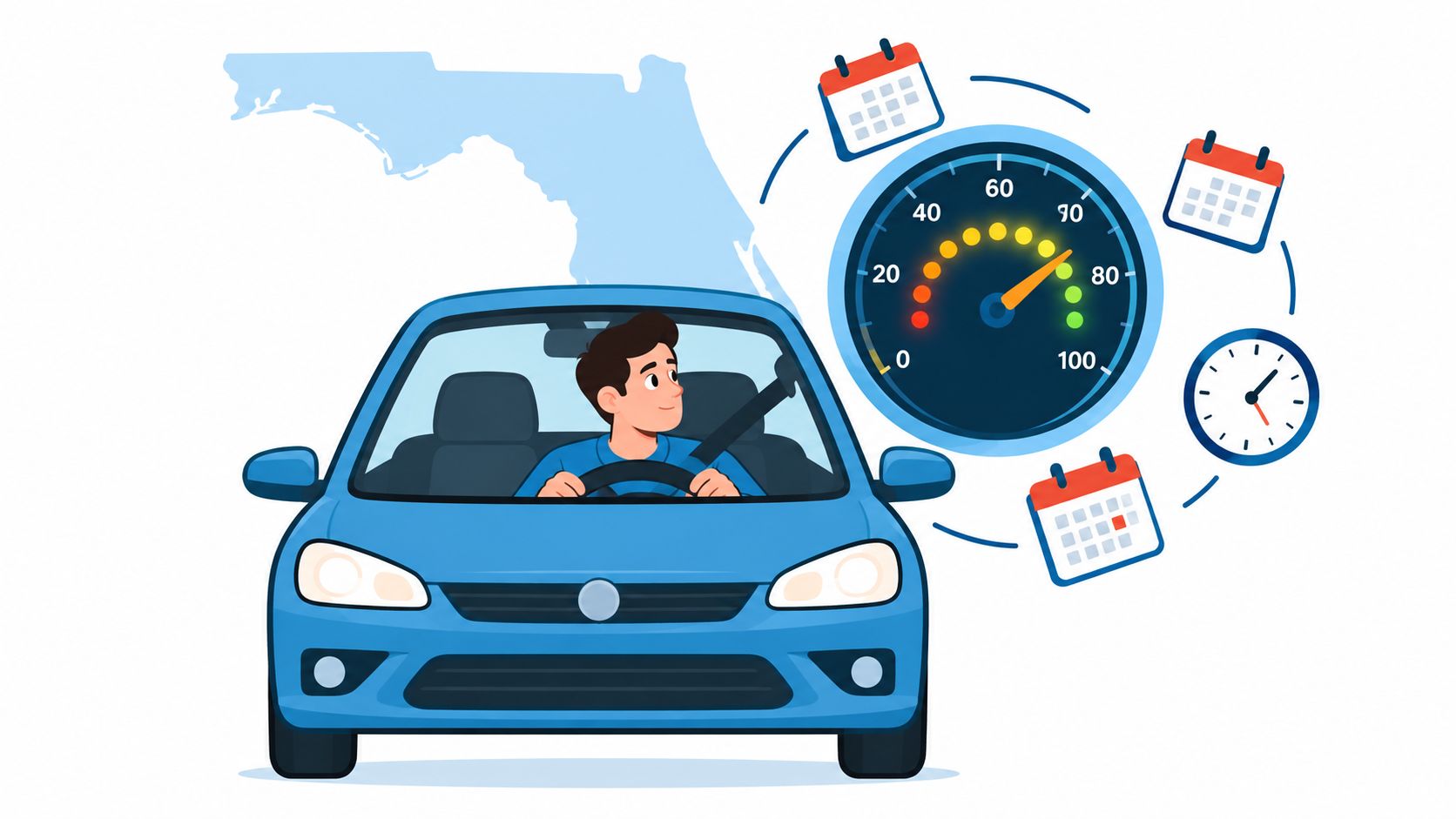
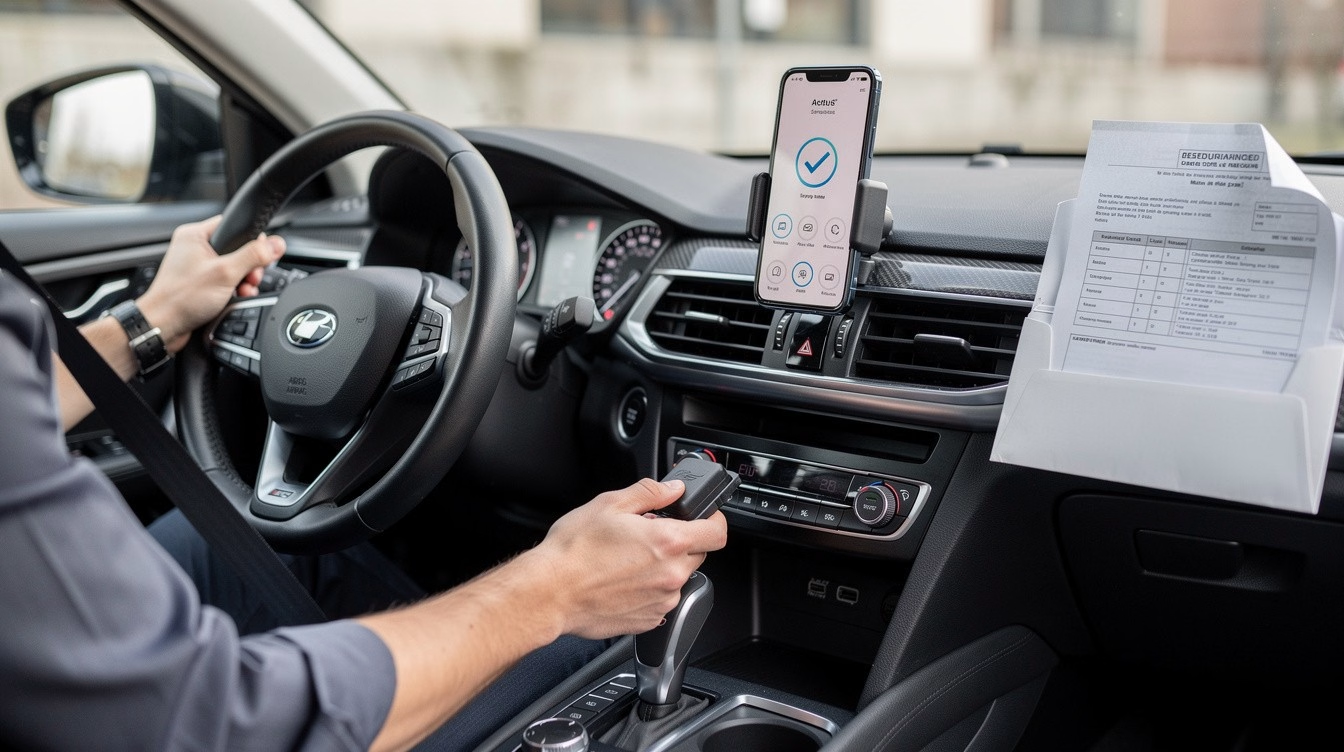
A traffic ticket rarely arrives at a convenient time. For many drivers, the next question is not just what they did wrong, but what they need to do now to protect their license, satisfy a court, or meet a state requirement. That is where an intermediate driver improvement course can matter. It gives drivers a structured way to address risky habits, meet compliance needs, and refresh practical safety skills without putting life on hold.
What is an intermediate driver improvement course?
An intermediate driver improvement course is a state-approved or court-accepted traffic safety program designed for drivers who need more than a basic reminder of road rules, but not a full driver education program for first-time licensing. The exact purpose depends on the state and the reason for enrollment. In many cases, it is used after traffic violations, as part of a corrective action process, or to improve driving behavior before problems become more serious.
The key word here is intermediate. This level often sits between entry-level education and more intensive corrective programs. It focuses on decision-making, hazard awareness, defensive driving habits, and the consequences of unsafe choices. It is practical by design. Most people taking it are not browsing for enrichment. They need a legitimate, approved course that fits a real deadline.
Who usually needs this course?
The answer depends on the state, court, or agency involved. Some drivers are assigned an intermediate course after repeated violations or a specific type of traffic offense. Others take it to satisfy a DMV requirement, support license reinstatement steps, or show proof of corrective education.
Teen and young adult drivers may also encounter this type of course if they are in a graduated licensing system or have received a citation that triggers extra education. Adult drivers may be ordered to complete it after a moving violation pattern suggests a basic course is not enough.
This is where details matter. A driver who needs the course for court compliance should confirm approval before enrolling. A driver taking it voluntarily for safety improvement may have more flexibility. The course itself can be helpful either way, but acceptance rules are not the same in every jurisdiction.
Why drivers are assigned an intermediate level
A basic traffic course usually covers rules, common violations, and broad defensive driving concepts. An intermediate driver improvement course goes a step further. It addresses behavior patterns that increase crash risk, not just the legal definition of an offense.
That distinction matters. A rolling stop, an improper lane change, or following too closely can look minor in isolation. But when those choices repeat, they point to deeper issues like poor scanning, impatience, distraction, or weak speed management. Intermediate instruction is meant to interrupt those habits before they lead to license suspension, higher penalties, or a crash.
This also explains why the course can feel more relevant than drivers expect. It is not just about memorizing road signs again. It is about understanding how ordinary decisions stack up in real traffic.
What the course usually covers
Most intermediate-level programs cover defensive driving principles, space management, speed adjustment, right-of-way errors, visual scanning, and the effects of distracted, aggressive, or impaired driving. They also tend to explain how citations, points, suspensions, and court actions can escalate when unsafe behavior continues.
Good courses do more than repeat statutes. They connect traffic law to daily driving situations. For example, a section on following distance is not only about numbers. It is about reaction time, weather, traffic density, and how quickly one bad assumption can become a rear-end collision.
Many programs also address mindset. Drivers often know the rule they broke. What they need is a better process for noticing risk earlier and responding more calmly. That is one reason intermediate training can benefit experienced drivers too. Years behind the wheel do not automatically correct bad habits.
Online vs. classroom options
For many drivers, online delivery is the practical choice. A self-paced course allows completion on evenings, lunch breaks, or weekends without traveling to a classroom. That flexibility is especially helpful when the course is tied to a deadline from a court or state agency.
Online formats also make it easier to stop and restart as needed. If the provider is set up well, progress is saved automatically, the course works across devices, and completion records are straightforward. For busy adults and parents, that convenience is not a bonus. It is often the deciding factor.
That said, the best format depends on the requirement. Some jurisdictions specify whether online instruction is accepted. Others allow either format but require the provider to be officially approved. Convenience only helps if the course meets the exact standard you were given.
How to choose the right provider
Approval should come first. If you need the course for a court, DMV, or state compliance reason, verify that the provider is recognized for that specific course type in your jurisdiction. Price matters too, but a lower fee is not a bargain if the certificate is not accepted.
After approval, look at the user experience. Clear enrollment steps, transparent pricing, mobile accessibility, and support availability make a real difference when you are trying to finish on time. Drivers also tend to benefit from a course that uses plain language rather than legal jargon. The goal is completion and learning, not decoding a confusing platform.
This is where a provider like DriverEducators.com fits naturally for many customers. The value is not just online access. It is the combination of convenience, recognized course options, and a process built around real compliance needs.
What to expect during enrollment and completion
Enrollment is usually straightforward. You select the course, provide basic identifying information, pay the listed fee, and begin the lessons. Depending on the state, you may need to enter a citation number, case details, or license information.
The course itself is typically divided into short modules with periodic knowledge checks. Some states require a final exam, while others measure completion by participation and time spent in the course. You may also see timers, identity verification steps, or minimum seat-time rules. Those are not arbitrary obstacles. They are often part of the approval requirement.
Once completed, you generally receive a certificate or record of completion. In some cases, the provider reports completion directly to the state or court. In others, the driver must submit proof. Never assume reporting is automatic unless the provider says so clearly.
Benefits beyond checking the box
Most drivers sign up because they have to. That is understandable. Still, the practical benefit can go beyond satisfying a requirement.
An intermediate course can help drivers identify patterns they have normalized, like late braking, casual phone use at stoplights, poor mirror checks, or rushing yellow lights. These habits often develop gradually and feel harmless until they lead to a ticket or collision. Structured review helps bring them back into focus.
There is also a financial angle. Safer driving can reduce the chance of future citations, court costs, insurance impacts, and time lost dealing with violations. A few hours spent on a course is often far less costly than another preventable mistake.
Common mistakes to avoid
One common mistake is enrolling in the wrong course level. Basic, intermediate, aggressive driving, and other specialized programs may sound similar, but they are not interchangeable. If your notice names a specific course, follow that wording closely.
Another mistake is waiting too long. Drivers sometimes assume online means instant and unlimited. In reality, approval deadlines, reporting windows, and technical requirements can still create pressure. Starting early gives you room to finish without avoidable stress.
Finally, do not treat the material as background noise. If you rush through just to get the certificate, you miss the part that can actually help you avoid the next violation.
FAQ
What is an intermediate driver improvement course?
It is a traffic safety course for drivers who need corrective instruction beyond a basic level. It is often used for court, DMV, or state compliance.
Is an intermediate driver improvement course required after every ticket?
No. Requirement depends on the state, court order, and the type or number of violations. Always check your notice before enrolling.
Can I take the course online?
Often, yes. Online availability depends on whether your state or court accepts that format and whether the provider is approved.
How long does the course take?
It varies. State rules and course design determine total time, and some programs require minimum seat time.
Will the provider send my completion record for me?
Sometimes. Some providers report directly, while others issue a certificate you must submit yourself.
Does this course help improve driving, or is it only for compliance?
It does both. It satisfies requirements, and it can also help drivers correct habits that lead to tickets and crashes.
If you need an intermediate driver improvement course, the smartest next step is simple: confirm the exact requirement, choose an approved provider, and complete it before the deadline turns one problem into two.