The TLSAE exam demands serious preparation, and most students waste hours studying inefficiently. We at DriverEducators.com have seen firsthand how the right study approach transforms test results.
These TLSAE student guidance tips focus on what actually works: structured schedules, active learning, and a distraction-free environment. Follow this framework and you’ll walk into your exam confident and ready.
How to Schedule TLSAE Study Sessions That Actually Stick
The 25-30 Minute Focus Block Method
The Pomodoro Technique works because your brain cannot sustain focus degradation after 25-30 minutes of study without degradation. Studies in cognitive psychology confirm that after this window, concentration drops sharply, making additional study time unproductive. Structure your TLSAE preparation into these focused blocks rather than cramming for two hours straight.
Between sessions, take a genuine five-minute break to walk, stretch, or hydrate-not to scroll social media. This rhythm prevents burnout and keeps information retention high. Most students who fail TLSAE didn’t study too little; they studied poorly by working too long without breaks.
Identify Your Peak Learning Hours
Map out your week by identifying which hours you naturally feel sharpest. Some people peak between 6 and 9 AM, while others hit their stride after 3 PM. Your peak hours are when you should tackle the hardest TLSAE topics: alcohol metabolism rates, and traffic law specifics.
Save easier review sessions for low-energy times. This strategic placement maximizes what you retain and reduces wasted effort on material you’ll forget quickly.
Anchor Study Sessions to Your Actual Schedule
If you work a full-time job, anchor your study sessions to existing routines. Study right after your morning coffee, during a lunch break, or immediately after work before heading home. Consistency matters more than duration.
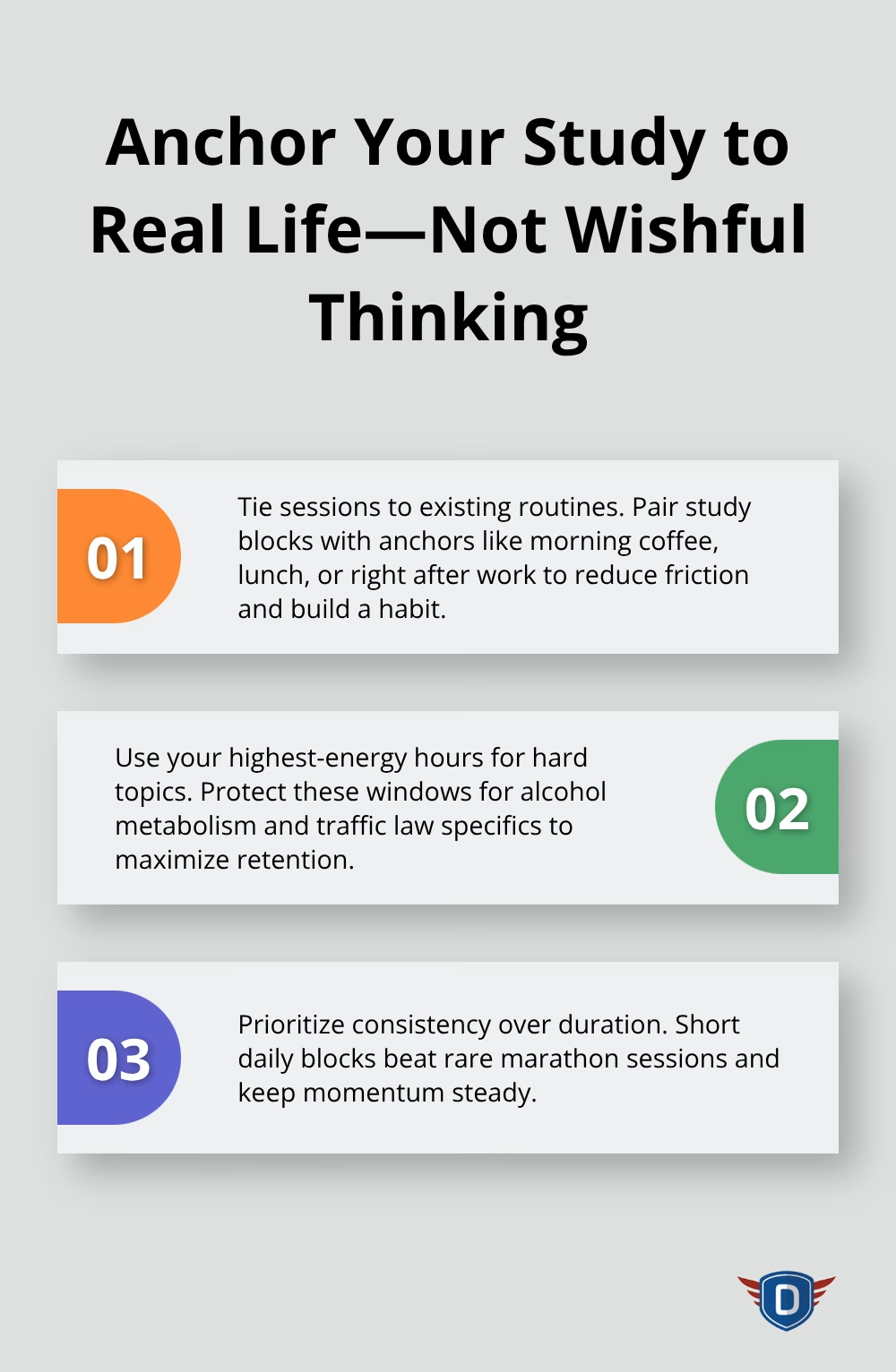
Three 25-minute sessions daily for two weeks beats one four-hour marathon session. Write your study schedule down and treat it like an appointment you cannot skip. Students who plan TLSAE study around their actual life-not around an idealized version-finish faster and score higher.
Build Your Study Timeline
Try to complete at least 90% of your four-hour TLSAE requirement before taking practice tests. This gives you a solid foundation and prevents wasting test attempts on material you haven’t yet learned. Use a calendar app or paper planner to block out specific times.
If your schedule shifts, reschedule immediately rather than skipping the session. This commitment to your plan separates students who pass on their first attempt from those who struggle through multiple retakes. Once you establish this rhythm, you’re ready to move into active learning strategies that transform passive reading into real retention.
Transform Practice Tests Into Your Competitive Edge
Use Practice Tests as Diagnostic Tools
Practice tests reveal exactly what will trip you up on exam day, yet most TLSAE students waste them by taking one test passively and moving on. Treat every practice test as diagnostic data instead. Start with a full-length timed test before you finish all four hours of course material-this baseline shows you which topics demand your attention. When you score 75% on traffic laws but only 62% on alcohol metabolism, you now know where to concentrate your remaining study blocks.
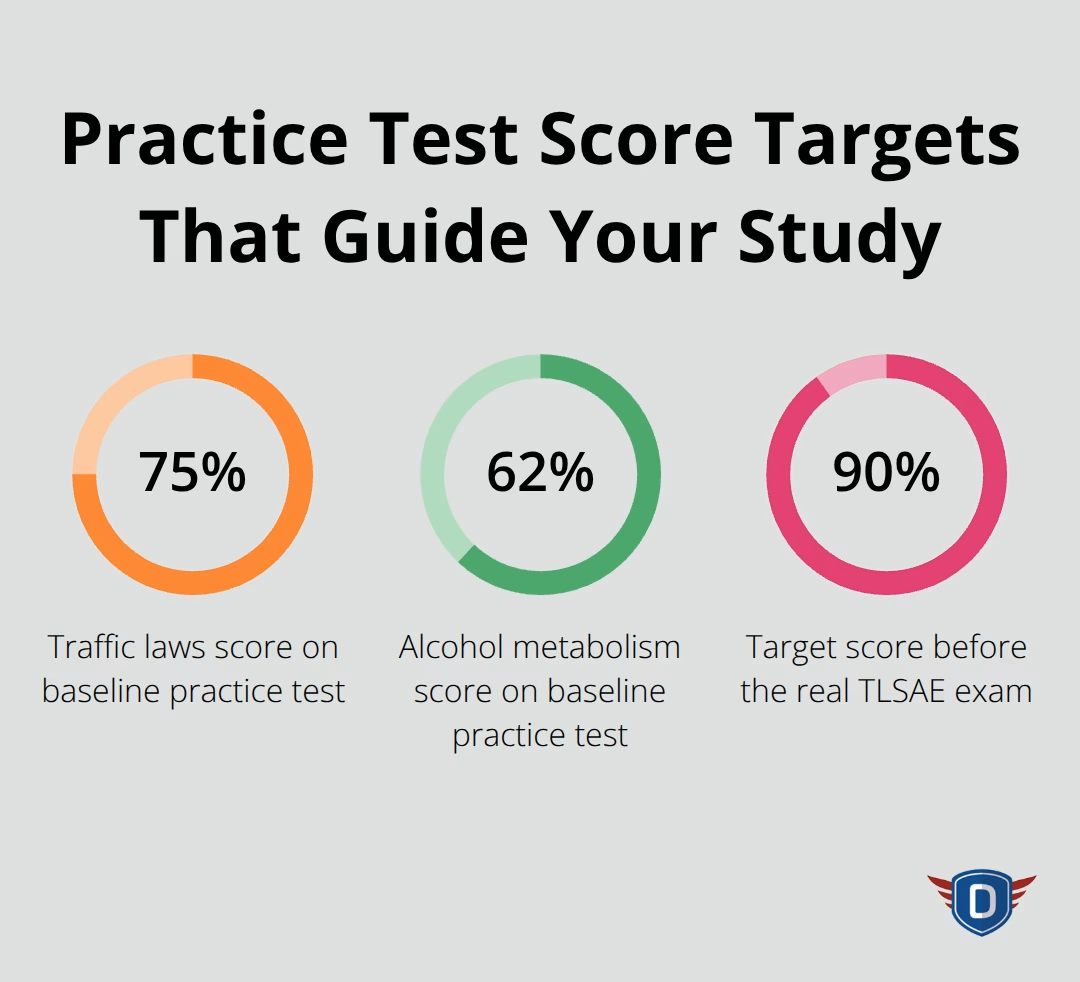
A BAC around 0.15 is associated with a higher crash risk compared to zero BAC, yet most students skip these specifics during initial review. Take your second practice test after completing all course content, trying for at least 90% to create a safety margin before the actual assessment.
Execute Your Final Practice Test Under Real Conditions
Take a third test under strict exam conditions: same time limit, no notes, no breaks. This final run eliminates test-day surprises and confirms you’re ready. The pressure you feel during this timed session mirrors what you’ll experience on exam day, so treat it seriously.
Handwrite Your Way to Stronger Retention
Handwritten notes force your brain to process information differently than passive reading does. When you write out the move-over law or the specific BAC ranges that impair driving, your hands and eyes engage simultaneously, creating stronger neural pathways than typing or highlighting ever will.
Spend five minutes after each practice test writing out the three questions you missed, explaining the correct answer in your own words without looking at the key first. This forces you to think through the logic rather than memorizing an answer.
Speak the Material Aloud to Lock It In
Teach that material back to yourself out loud-literally speak the concepts aloud as if explaining to someone else. Say things like alcohol is absorbed fastest in the small intestine, metabolism takes roughly one to two hours per standard drink, and carbonation speeds up absorption. Hearing yourself articulate these details cements them in memory far better than silent review.
Combine All Three Methods for Maximum Impact
Alternate between all three methods across your remaining study sessions: take a timed practice test, review missed questions while handwriting explanations, then recite the material aloud. This combination of testing, writing, and speaking ensures you walk into your TLSAE exam with genuine understanding, not fragile memorization that evaporates under pressure. With your active learning strategies locked in, your study environment becomes the final piece that separates passing students from those who struggle.
Where You Study Matters More Than How Long You Study
Your study environment determines whether those 25-30 minute focus blocks actually work or whether you waste them fighting distractions. The difference between passing TLSAE on your first attempt and retaking it comes down to where you sit. Most students underestimate this and think willpower alone will keep them focused while their phone sits on the desk buzzing with notifications. It won’t.
Research from the University of California, Irvine shows that once you’re interrupted, it takes an average of 23 minutes to refocus on your original task. A single phone notification during a 25-minute study block destroys the entire session’s productivity. Remove your phone from the room entirely-not just face-down on your desk, but in another room where you cannot hear it.
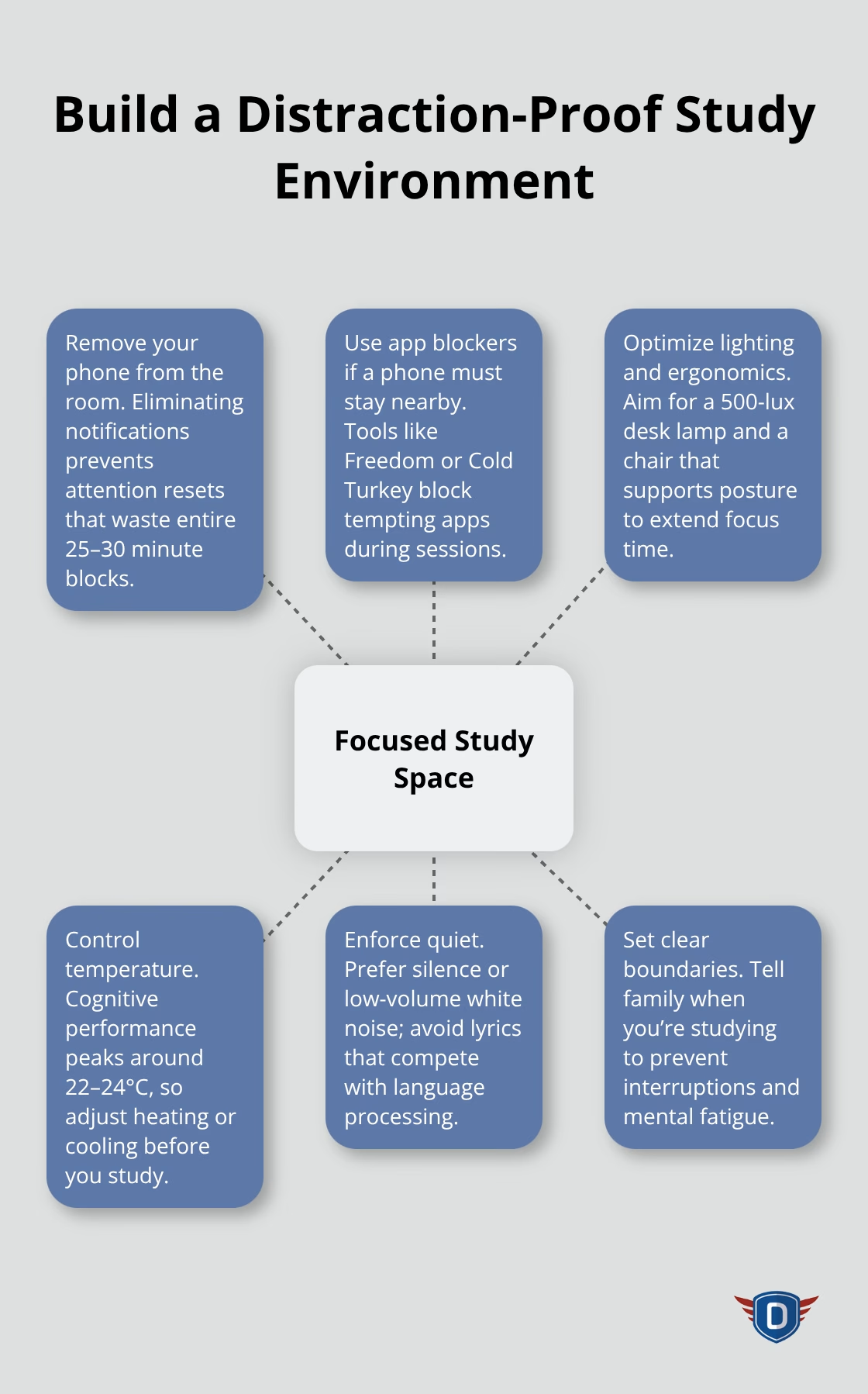
Social media is designed by teams of engineers to be addictive; you cannot outmuscle that through discipline alone. If you must keep your phone nearby for emergencies, use app blockers like Freedom or Cold Turkey that physically prevent access to distracting apps during study sessions.
Physical Setup Determines Your Endurance
Lighting and seating directly impact how long you can concentrate before fatigue sets in. Poor lighting causes eye strain that masquerades as mental fatigue, making you feel exhausted after just 15 minutes when the problem is actually your environment. Study near a window during daylight hours, or use a desk lamp with at least 500 lux brightness positioned to the side of your workspace to avoid glare on your screen.
Your chair matters more than most people realize. A chair that forces you to slouch or crane your neck creates physical discomfort that pulls your attention away from TLSAE content within minutes. Invest in a chair that supports your lower back, keeps your feet flat on the floor, and positions your screen at eye level. You’ll notice you can concentrate for the full 25-30 minutes without the constant micro-adjustments that derail focus.
Temperature affects performance – studies show cognitive function peaks between 22–24 degrees Celsius. If your study space is too warm or too cold, your brain devotes resources to temperature regulation instead of memorizing traffic laws and BAC thresholds.
Silence Is Non-Negotiable
Background noise, even at low volumes, fragments your attention. A coffee shop with ambient noise might feel productive because you’re around other people, but research from Cornell University found that moderate background noise actually impairs performance on complex cognitive tasks. TLSAE content requires you to understand how alcohol metabolism works, retain specific BAC ranges, and apply traffic laws to different scenarios-this is complex cognitive work.
Study in a genuinely quiet location. If your household is loud, use noise-canceling headphones with white noise or instrumental music at low volume. Avoid music with lyrics, which competes with language processing in your brain.
Your family members need to understand that when you’re in your study space during scheduled sessions, interruptions should not happen. Set clear boundaries and communicate your study schedule so they respect your focus time. A quiet environment doesn’t just improve concentration-it reduces the mental fatigue that makes studying feel harder than it actually is, allowing you to complete more effective study blocks with less overall effort.
Final Thoughts
The three pillars of TLSAE success-structured 25-30 minute focus blocks, active learning methods like practice tests and handwritten notes, and elimination of distractions-work because they align with how your brain actually retains information. Students who apply these TLSAE student guidance tips consistently pass on their first attempt because they study smarter, not longer. A BAC around 0.15 carries at least a 12x higher crash risk compared to zero BAC, yet students who cram the night before forget these critical details under exam pressure, while those who study strategically over two weeks retain the material and understand why it matters.
Your four-hour TLSAE requirement forms the foundation for safer driving decisions you’ll make for decades. After you complete your study sessions and pass your final practice test at 90% or higher, schedule your actual exam within three days while the material remains fresh. Bring your ID, arrive 15 minutes early, and trust the preparation you’ve completed.
We at DriverEducators.com offer comprehensive driver education programs designed to help you master safe driving habits and pass your TLSAE exam with confidence. Our Florida-approved courses combine clear explanations with real-life scenarios, ensuring you understand not just what the rules are, but why they exist. Start your study plan today and stay disciplined with your schedule.