Your first time behind the wheel can feel overwhelming. Nerves, unfamiliar controls, and traffic all demand your attention at once.
We at DriverEducators.com know that behind wheel practice tips make the difference between a stressful first drive and a confident one. This guide walks you through mental preparation, core skills, and common pitfalls to help you succeed from day one.
Prepare Your Mind and Vehicle Before Your First Drive
Familiarize Yourself With Vehicle Controls
Your mental state matters more than most new drivers realize. Research shows that anxiety and unfamiliarity with vehicle controls are the top reasons first-time drivers feel overwhelmed even leaving the driveway. Spend 15 to 20 minutes on preparation before you turn the key-this transforms your entire experience.
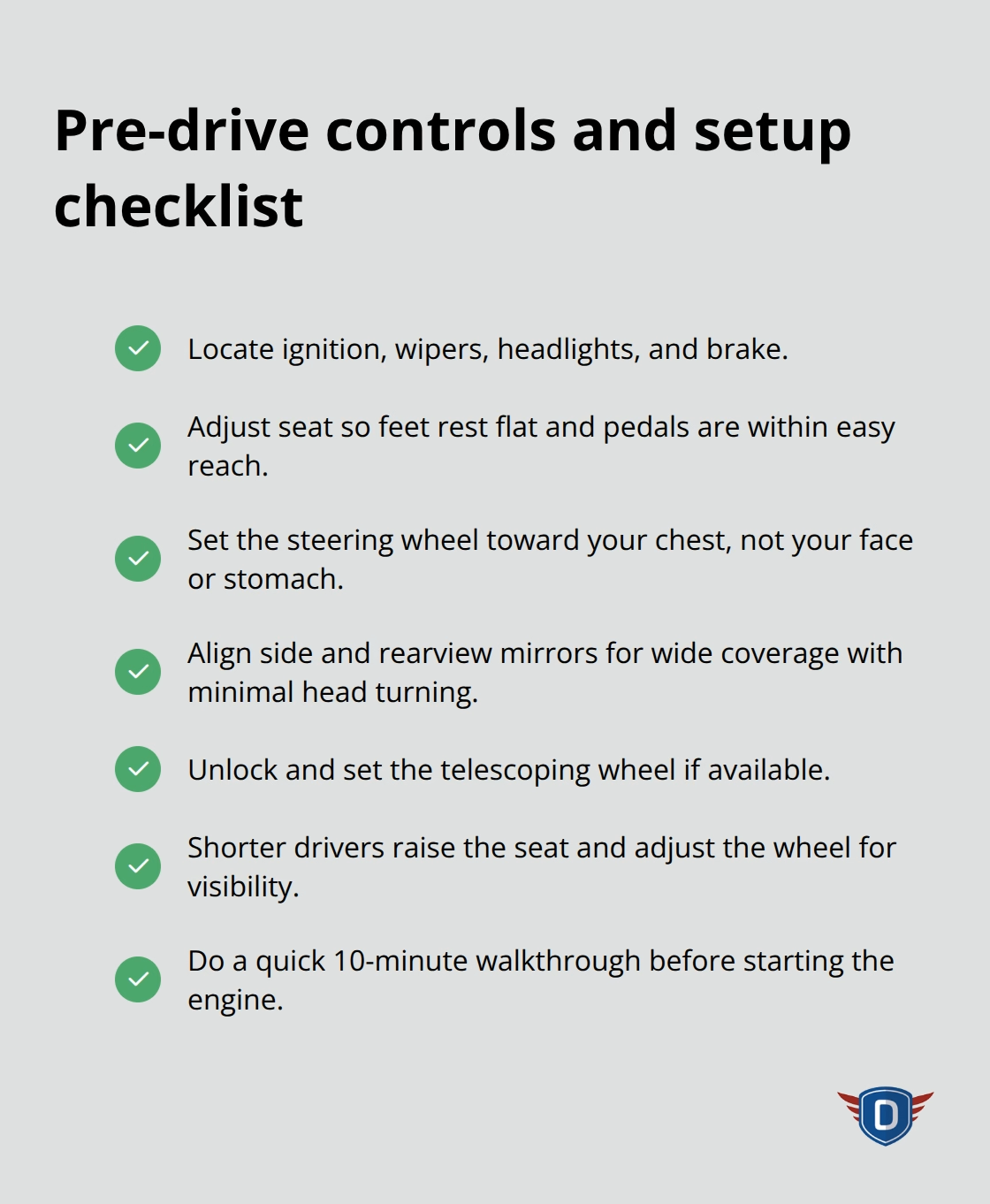
Sit in the driver’s seat with the engine off and locate every control you’ll need: the ignition, steering wheel adjustment, mirrors, windshield wipers, headlights, and brake pedal. Adjust the seat so your feet rest flat on the floor and you can reach the pedals without stretching. Position the steering wheel so it points toward your chest, not your face or stomach.
Check that your mirrors show the road behind and beside you without requiring you to turn your head excessively. If your car has a telescoping steering wheel, unlock and adjust it for maximum comfort and visibility. Shorter drivers should adjust both seat height and steering wheel position to maximize road visibility. This 10-minute vehicle walkthrough eliminates the distraction of fumbling for controls later.
Manage Anxiety With Breathing Techniques
Anxiety management directly impacts your ability to concentrate on the road. A simple breathing technique works better than telling yourself to relax. Before starting the engine, take five deep breaths: inhale slowly for a count of four, hold for four, and exhale for four. This activates your parasympathetic nervous system and supports greater parasympathetic tone to counterbalance stress and anxiety.
Keep this technique in your back pocket for any moment when tension creeps in during your drive. When overwhelmed, use a pause-and-breath reset before making a maneuver to regain composure. The physical act of controlled breathing interrupts the stress response and gives your mind a moment to refocus on the task ahead.
Set One Specific Goal for Your Session
Set one realistic goal for this session-not five. Your goal might be reaching the end of the block safely, performing a smooth right turn, or maintaining a steady speed on a quiet street. Write it down or say it aloud so it’s concrete.
Avoid vague targets like becoming a better driver. A specific, measurable goal gives your brain a clear target and makes success feel achievable, which builds momentum for your next session. Small, measurable day-one goals and celebrating hitting them reinforces progress and confidence.
With your mind prepared and your vehicle controls mastered, you’re ready to move onto the road itself. The next section covers where to start your first drive and which maneuvers to practice first.
Where to Practice First and What to Master
Choose the Right Location for Your First Drive
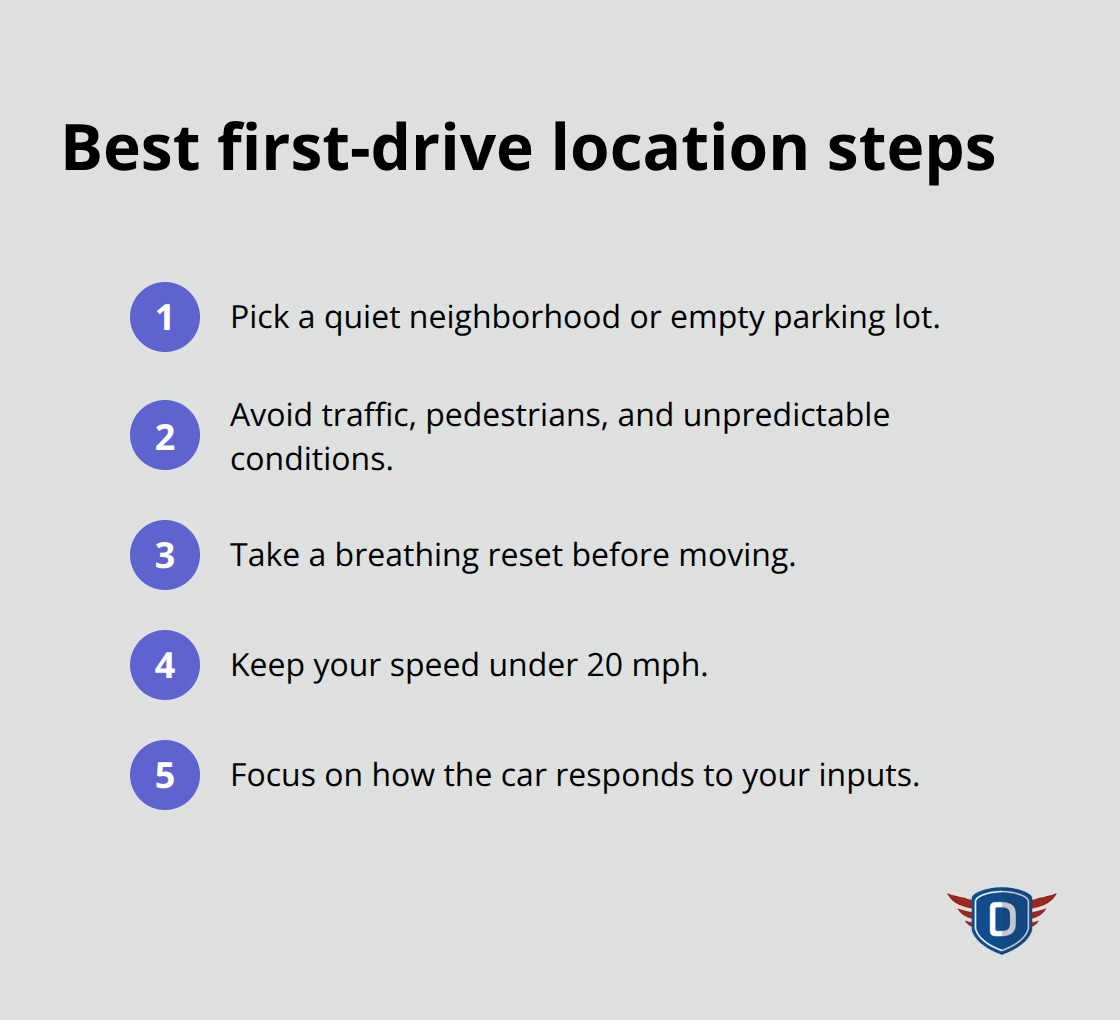
Your first drive should happen in a location where mistakes feel manageable, not catastrophic. Select a quiet residential neighborhood or empty parking lot where you face minimal traffic, no pedestrians, and predictable road conditions. This removes the cognitive overload that comes from processing multiple hazards at once. Start your engine, take your breathing reset, and move at speeds under 20 miles per hour. The goal is to feel the vehicle respond to your inputs-how the steering wheel turns the front wheels, how the brake pedal slows you down, how the accelerator controls speed.
Master Smooth Acceleration and Braking
These connections between your hands and feet and the vehicle’s behavior form the foundation of everything else you’ll do behind the wheel. Acceleration should feel controlled-press the pedal slowly and steadily rather than jabbing it. Braking works the same way; ease off the gas first, then apply steady pressure to the brake. Practice holding a straight line down a quiet street for at least 10 to 15 minutes before attempting turns.
Execute Turns With Precision and Care
When you do turn, slow down beforehand, signal well in advance, check your mirrors and blind spots, and turn the wheel gradually rather than sharply. Grip the wheel lightly at the 9 and 3 o’clock positions, and turn smoothly without yanking the wheel. Tension in your grip translates directly to jerky steering inputs, so consciously relax your shoulders and arms as you drive.
Relax Your Grip to Improve Control
Most new drivers grip the steering wheel too tightly, which amplifies small corrections and makes the vehicle feel unstable. Loose hands and forearms allow smoother, more natural steering adjustments. This simple adjustment transforms how the vehicle responds to your inputs and reduces fatigue during longer practice sessions.
Know When to Pause and Reset
If you feel overwhelmed during any maneuver, slow down further or pull over safely and take another breathing reset. Confidence grows through repetition in low-pressure situations, not through pushing yourself into scenarios that spike your anxiety. Your next session can tackle busier roads and more complex traffic patterns, but today you build the automatic muscle memory for the fundamentals that will serve you well as you progress.
What Trips Up New Drivers Most
Overconfidence Leads to Crashes
Overconfidence kills more first drives than anxiety ever will. You practice in a quiet neighborhood for 20 minutes, nail a few turns, and suddenly the voice in your head whispers that you’re ready for busier roads or highway speeds. This is where new drivers crash. Drivers aged 16 to 19 have crash rates three times higher than drivers aged 20 and older, largely because inexperience breeds false confidence.
Speed becomes the weapon of choice for overconfident new drivers. You feel comfortable at 25 miles per hour in a parking lot, so 35 feels manageable on a residential street, and 50 feels fine on a two-lane road. The problem surfaces instantly when you need to brake hard or navigate an unexpected obstacle. Your reaction time hasn’t caught up to your speed, and neither has your ability to predict what other drivers will do.
Set a hard speed limit for yourself during your first five practice sessions and stick to it regardless of how comfortable you feel. If your instructor or parent says 25 miles per hour, that’s your ceiling, not your starting point.
Mirror Checks and Blind Spots Demand Full Attention
Check your mirrors, then quickly check your blind spot. Most new drivers glance in the mirror once before changing lanes, believing they’ve completed their job. A proper mirror check takes three full seconds: check the side mirror, check the rearview mirror, turn your head to physically see the blind spot, and only then move.
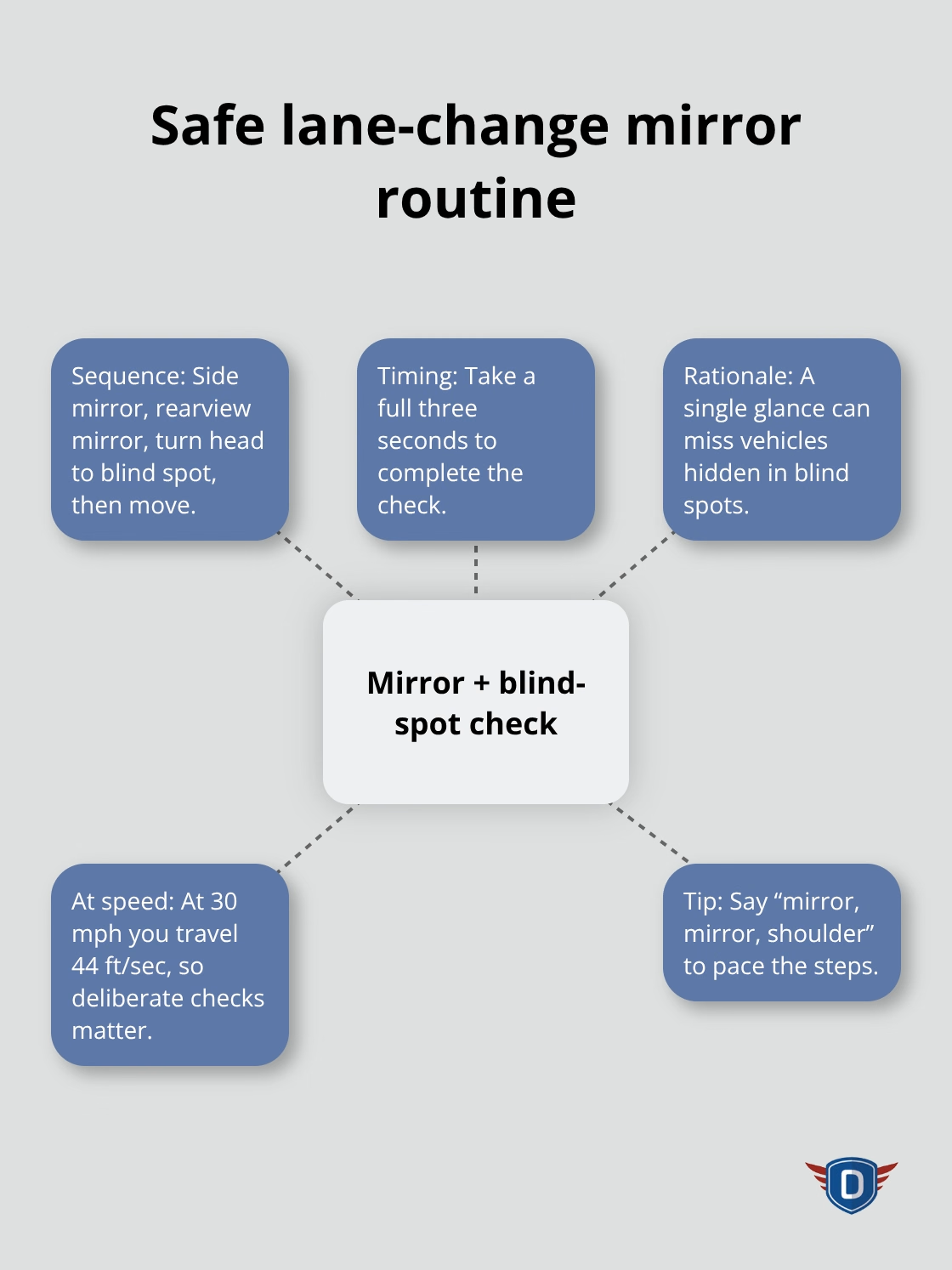
This sounds slow, but at 30 miles per hour you travel 44 feet per second, so three seconds of total checking time is actually conservative. The extra time you invest in mirror checks pays dividends when you encounter unexpected traffic or need to react quickly.
Tension in Your Grip Cascades Into Other Mistakes
Tensing your grip on the steering wheel amplifies every tiny input and makes the vehicle feel unpredictable. When you grip tightly, your arms stay rigid, which means small corrections become large steering movements. Your shoulders creep up toward your ears, which restricts your ability to turn your head to check blind spots.
Tight hands also fatigue faster, which means your control deteriorates exactly when you need it most during longer practice drives. The moment you notice tension building, ease your grip, drop your shoulders, and take a breath. If tension returns within seconds, pull over and take a reset. Driving while tense isn’t practice; it’s rehearsing bad habits.
Final Thoughts
Your first behind-the-wheel session sets the foundation for everything that follows. Mental preparation, controlled skill-building, and awareness of common pitfalls work together to transform a nerve-wracking first drive into a manageable experience. The behind wheel practice tips covered in this guide-anxiety management through breathing, vehicle familiarity before you leave the driveway, and realistic goal-setting-all happen before you turn the key.
What separates drivers who build confidence steadily from those who struggle is professional guidance paired with deliberate practice. A certified instructor catches bad habits before they become ingrained, adjusts your technique in real time, and knows exactly when you’re ready to progress to busier roads. DriverEducators.com provides structured driver education programs designed to help you master safe driving habits and navigate the roads with genuine confidence.
Schedule your first session with an instructor and apply these behind wheel practice tips with commitment to the process. Progress happens through repetition in low-pressure situations, not through rushing into scenarios that spike your anxiety. Within weeks, the controls feel natural, turns happen smoothly, and the road becomes less overwhelming.