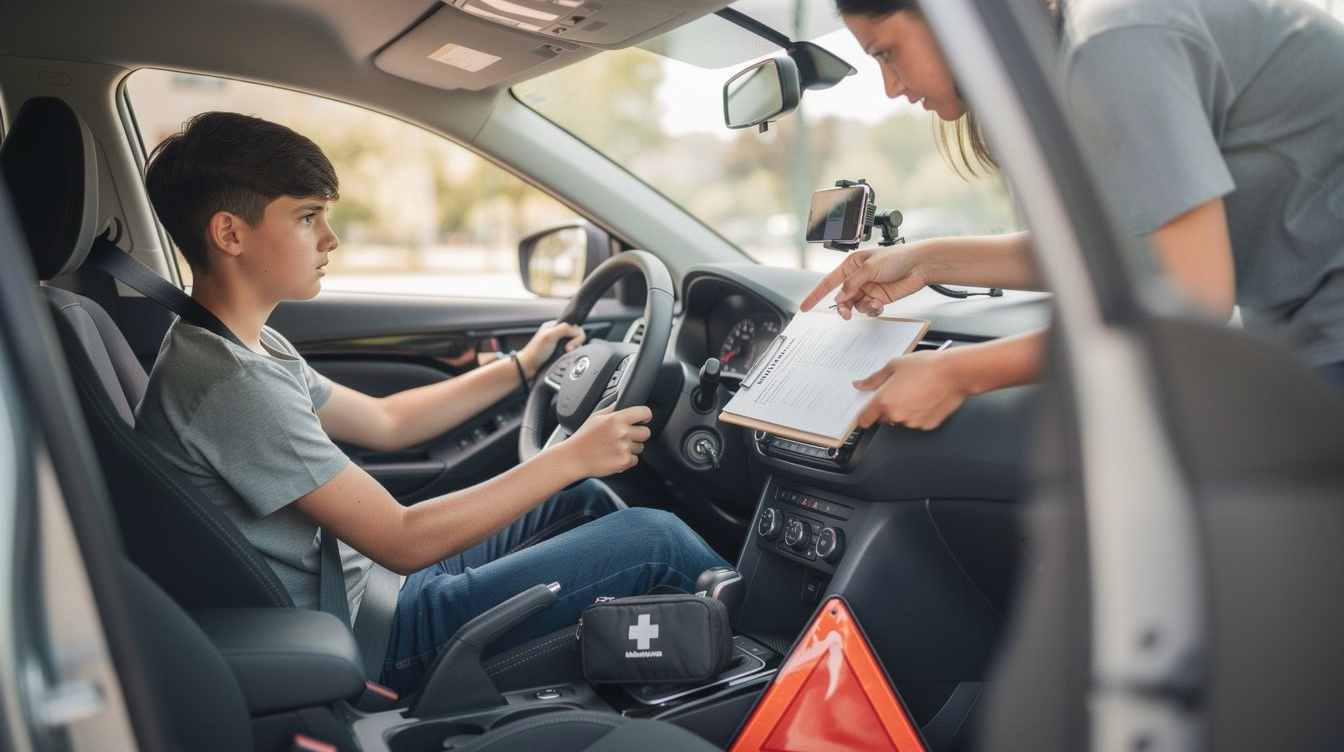
Teen drivers face real risks on the road. According to the CDC, motor vehicle crashes are the leading cause of death for teenagers in the United States, with nearly 2,500 teens dying annually in these incidents.
Parent-teen driving safety isn’t just about rules-it’s about building genuine confidence through structured guidance. We at DriverEducators.com know that combining parental involvement with professional instruction creates the foundation teens need to handle real-world driving challenges safely.
Why Parent Involvement Actually Changes Teen Driving Outcomes
Parental guidance isn’t optional for teen drivers-it’s the difference between a crash statistic and a safe driver. Research from the Insurance Institute for Highway Safety found that teen drivers have crash rates over 4 times those of drivers 20 and older per mile driven. This isn’t about hovering or micromanaging; it’s about creating a framework where teens develop real competence before they face unpredictable road situations alone.
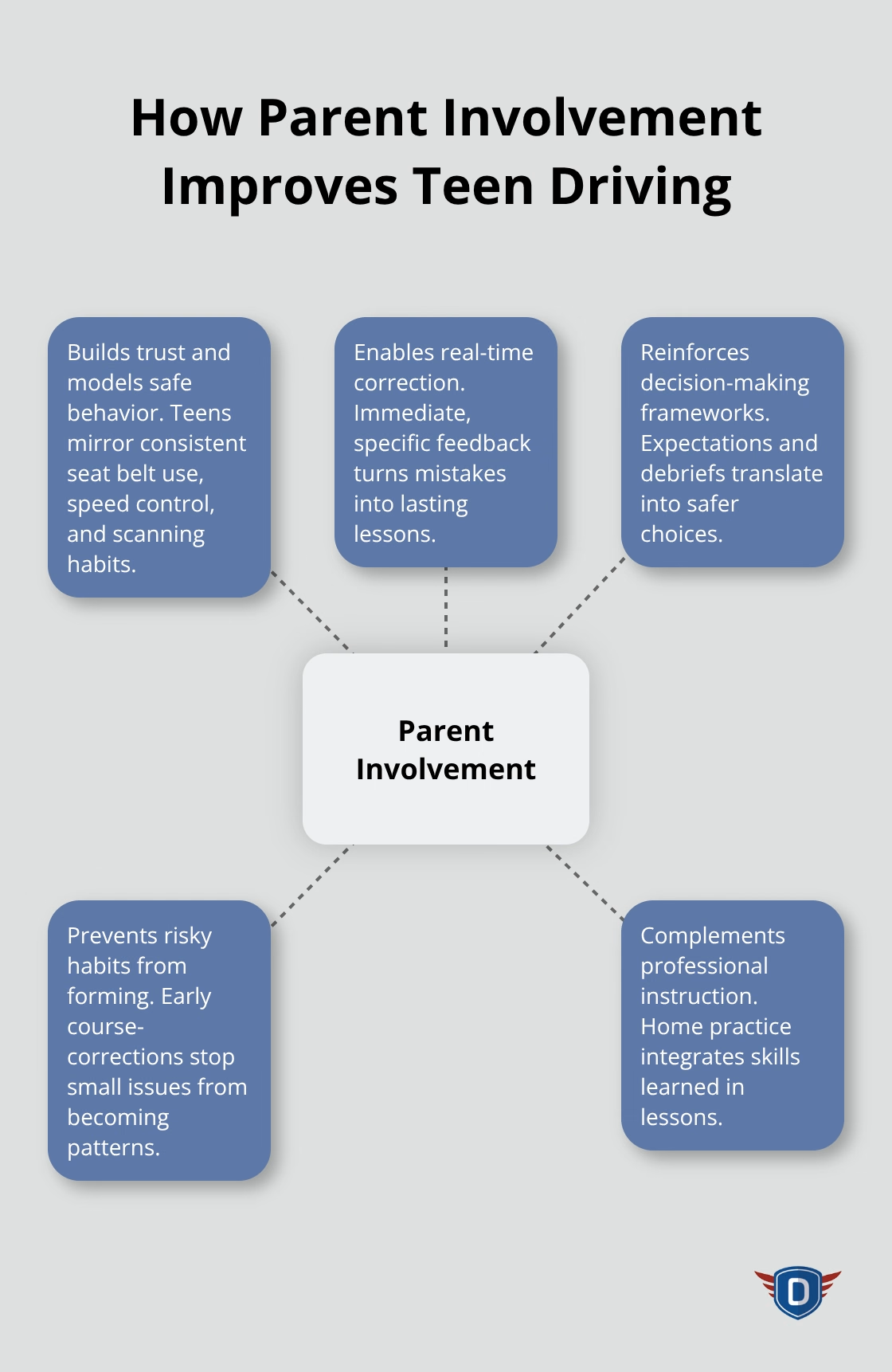
Parents model safe behaviors and catch dangerous habits early
Parents who actively participate in their teen’s driving education establish trust, model safe behaviors, and catch bad habits before they become dangerous patterns. The data is clear: teenagers whose parents set expectations, provide feedback during practice drives, and maintain open conversations about road risks show measurably better decision-making behind the wheel. When a parent sits in the passenger seat and offers immediate correction-“You drifted into that turn too fast” or “Check your mirror before changing lanes”-the teen absorbs the lesson in real time, not as a lecture.
Structured practice builds genuine confidence, not false bravado
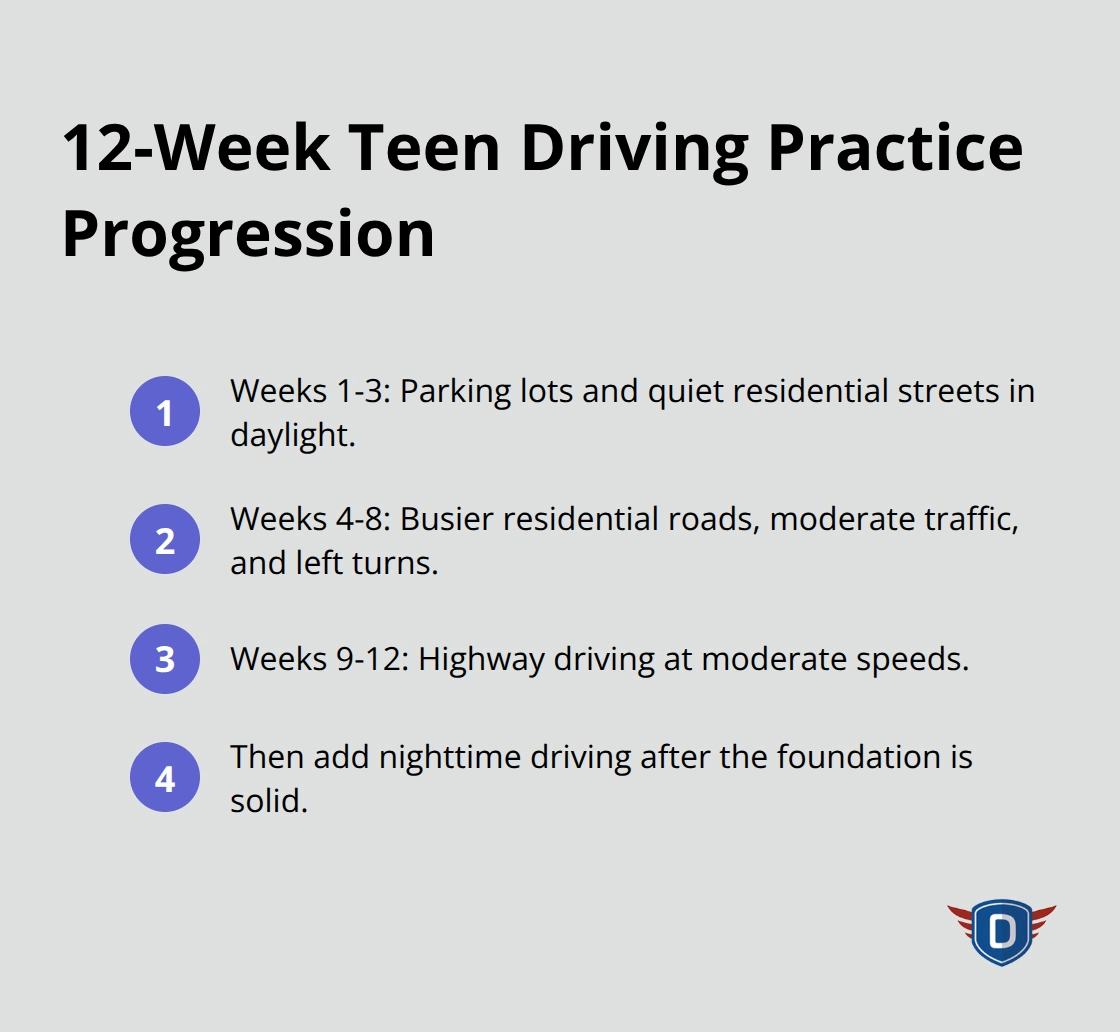
Confidence in teen drivers comes from repetition and gradual exposure to more complex scenarios, not from simply logging hours. A study showed that teens who practiced in varied conditions made better decisions during critical moments than those who only drove familiar routes. Parents should map out a progression: empty parking lots first, then quiet residential streets, then busier roads during daylight, and finally highway driving and nighttime conditions.
Each stage should include specific feedback from the parent about what the teen did well and what needs improvement. This structured approach prevents teens from developing overconfidence, which is actually one of the leading factors in teen crashes according to the National Highway Traffic Safety Administration.
Clear expectations about consequences prevent risky behavior
Teens respond to consistency more than lectures. Parents who establish specific rules-no phone use while driving, speed limits for different road types, no passengers during the first six months-and follow through with consequences see better compliance. The teen should know exactly what happens if these rules are broken: loss of driving privileges for a set period, additional supervised practice hours, or paying for traffic school costs.
This isn’t punishment for punishment’s sake; it’s creating accountability that mirrors real-world consequences. Conversations about why these rules exist matter too, but only after the expectations are crystal clear. Teens need to understand that a momentary lapse in judgment can result in serious injury or death, and that parental rules exist specifically to prevent that outcome.
Professional instruction fills the gaps parental guidance cannot
While parental involvement provides consistency and real-world practice, professional driver education offers something different: objective assessment from someone outside the family dynamic. Certified instructors identify specific skill gaps that parents might miss and provide structured feedback without the emotional weight that sometimes accompanies parent-teen interactions. Professional programs teach defensive techniques, traffic law specifics, and crash avoidance strategies in a systematic way that complements the confidence-building work parents do at home.
How to Build a Teen Driving Practice Plan That Actually Works
Map Out a Progression From Simple to Complex
Most parents approach teen driving practice without a real plan, which means their teen logs hours behind the wheel without necessarily improving decision-making skills. Research shows that teens need 40 to 50 hours of supervised driving before they’re ready for independent driving, but those hours matter only if they’re structured with specific goals. Start by mapping out a progression that moves from low-risk environments to increasingly complex scenarios.
Week one through three should focus on empty parking lots and quiet residential streets during daylight hours, where the teen learns basic vehicle control without traffic pressure. Week four through eight should introduce busier residential roads, moderate traffic conditions, and left turns at intersections. Week nine through twelve should add highway driving at moderate speeds, and only after this foundation should nighttime driving enter the rotation.
Each session should target specific skills: lane positioning on one drive, mirror checking on another, decision-making at four-way stops on a third. Parents who assign a skill focus for each practice session see measurably better retention than those who simply drive around without direction.
Respond Immediately to Mistakes, Not After the Fact
The second part of effective practice involves real consequences for real mistakes, not lectures delivered after the fact. When a teen drifts toward the center line, the parent should say immediately: you drifted; correct it now. When a teen fails to check a blind spot before changing lanes, the parent should say: stop the car, we’re pulling over for five minutes, then we’ll resume and you’ll try that again correctly. This immediate, calm response teaches faster than any conversation about why mirror checking matters.
Parents must also establish hard rules before driving begins: no phone use under any circumstances, speed limits five miles per hour below posted limits during the first three months, no passengers other than parents for the first six months. Research shows that passengers under age 21 increase crash risk significantly, which is why this rule exists and why parents must enforce it consistently.
Rotate Conditions Only After Competence Develops
The third element is rotating between different times and weather conditions only after the teen demonstrates competence in the current environment. A teen who drives confidently in daylight rain still needs separate practice in darkness before combining both factors. This graduated approach prevents the overconfidence that leads to crashes, because the teen always operates at the edge of their current skill level rather than well within it.
Professional driver education programs complement this structured parental approach by providing objective assessment and systematic skill development that parents alone cannot deliver.
Why Professional Instruction Fills Gaps Parents Cannot
Objective Assessment Catches Technical Errors Parents Miss
Parents provide consistency and real-world practice, but professional driver education delivers something fundamentally different: objective assessment without emotional friction and systematic skill development that home practice alone cannot match. Certified instructors identify specific weaknesses that parents often miss because they lack formal training to spot technical errors. When a teen drifts slightly during turns or fails to position the vehicle correctly for lane changes, a parent might not notice these details, but a professional instructor catches them immediately and corrects them with structured feedback.
This objective perspective matters because teens often dismiss parental corrections as nagging, while accepting the same feedback from an instructor as legitimate instruction. Professional instructors focus specifically on identifying skill gaps and addressing them through targeted practice, which accelerates competence development beyond what parental guidance alone achieves.
Systematic Coverage of Traffic Laws and Defensive Techniques
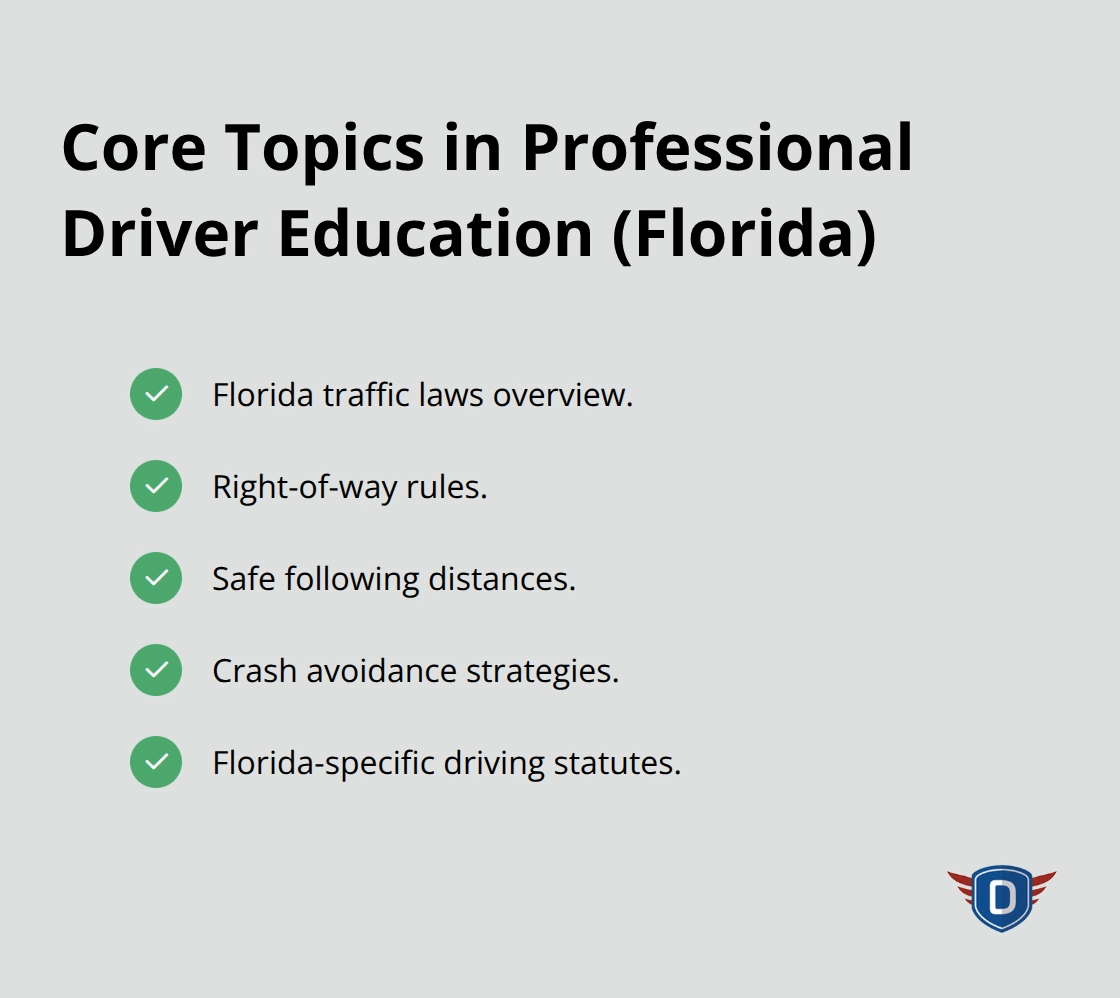
Professional programs provide systematic coverage of Florida traffic laws and defensive techniques that parents cannot replicate consistently. A comprehensive curriculum covers right-of-way rules, safe following distances, crash avoidance strategies, and the specific statutes that govern driving in Florida, ensuring teens understand not just how to drive but why each rule exists legally and practically.
Research from the National Safety Council shows that formal driver education programs reduce crash involvement compared to teens who receive only informal instruction. This measurable difference stems from structured repetition of specific scenarios and consistent terminology that professional programs provide.
Consistent Instruction Builds Real Competence
Parents naturally vary their teaching approach based on mood and circumstance, but professional instructors follow a curriculum that ensures every teen receives the same foundational knowledge about hazard recognition, speed adjustment for conditions, and decision-making frameworks. Teens complete formal instruction with confidence rooted in actual competence rather than assumption, which translates directly to safer independent driving during the critical first months after licensure.
Professional instruction combined with parental practice creates a foundation that neither approach alone can match. Teens who receive both structured professional training and consistent parental guidance develop the technical skills, legal knowledge, and decision-making habits that prevent crashes when they drive independently.
Final Thoughts
Parent-teen driving safety works best when parental involvement and professional instruction work together. Parents provide the real-world practice, immediate feedback, and consistent accountability that build genuine confidence over time. Professional instructors add objective assessment, systematic skill development, and structured knowledge of Florida traffic laws that parents cannot replicate alone. Teens who receive both approaches develop the technical competence and decision-making habits that prevent crashes when they drive independently.
The data supports this combined approach. Teens with active parental guidance show measurably better crash prevention than those without it, and formal driver education programs further reduce crash involvement by ensuring systematic coverage of defensive techniques and hazard recognition. When parents establish a structured practice progression, enforce clear expectations, and combine their guidance with professional instruction, they create the foundation their teen needs to handle real-world driving challenges safely.
Starting this process now matters, since the first months after licensure are when teen crash risk peaks. Parents who map out a practice plan, set specific rules, and enroll their teen in a professional program like those offered at DriverEducators.com give their teen the advantage of both consistent parental support and certified instruction.