A court deadline, insurance discount, first license, or traffic ticket can turn driver education into an urgent task. The most useful digital driver safety training trends focus on reducing that pressure without reducing the quality or legitimacy of the course. For drivers, the goal is simple: complete an approved program on time, understand the safety lessons, and have clear proof of completion when it is needed.
Online driver education is no longer just a digital copy of a classroom workbook. Course design is becoming more practical, more mobile-friendly, and more responsive to the real decisions drivers make behind the wheel. At the same time, state agencies, courts, and insurers still expect providers to meet specific approval, timing, identity, and record-reporting requirements.
Mobile-First Access Is Becoming the Standard
Many drivers start a required course on a phone during a lunch break, continue on a tablet at home, and finish on a computer. Digital training is increasingly designed for that reality, with readable screens, simple navigation, saved progress, and access around the clock.
Mobile access is especially valuable for people balancing work, school, family care, or a court-ordered deadline. Convenience does not mean a course can ignore state rules, however. Some programs require a minimum course length, timed lessons, end-of-unit reviews, or a final exam. A well-designed online course makes those requirements clear from the start rather than surprising a student near the end.
The practical question is not whether a course works on a phone. It is whether it works well on a phone while still meeting the approval standards that apply to the driver’s situation.
Scenario-Based Lessons Make Rules Easier to Apply
Drivers rarely struggle because they have never heard a traffic rule. Problems happen when a driver has to recognize risk quickly: a vehicle enters from a driveway, a pedestrian steps into a crosswalk, rain reduces traction, or a phone notification pulls attention away from the road.
That is why scenario-based instruction is a major shift in online traffic safety education. Instead of presenting only definitions and laws, digital lessons can show a realistic situation and ask the learner to identify the safest response. These exercises connect a rule to the judgment call it is meant to guide.
For example, a lesson on following distance becomes more useful when it shows how speed, poor visibility, heavy traffic, and wet pavement change the space a driver needs. A distracted-driving lesson is more memorable when it explains the chain of consequences that can begin with one glance at a screen.
This approach does not replace core legal information. It gives that information context, which helps drivers remember it when the road is moving faster than a multiple-choice question.
Shorter Learning Segments Support Better Completion
Long, uninterrupted modules can be difficult for busy learners. One of the most practical digital driver safety training trends is breaking approved coursework into shorter sections with clear stopping points.
Shorter segments allow drivers to pause without losing their place and return when they can focus. They also help learners review one topic at a time, such as roadway sharing, right-of-way, alcohol and drug impairment, or defensive driving techniques.
There is a trade-off. A course should not be so fragmented that students rush through screens without retaining the material. Effective programs pair shorter lessons with knowledge checks, progress tracking, and clear explanations when an answer is incorrect.
Personalized Feedback Is Growing, but Approval Still Comes First
Digital learning platforms can identify topics a student may need to revisit. If a learner misses several questions about speed management or traffic signs, the course may provide an explanation and direct the student back to the relevant lesson.
This type of feedback can make training more useful than a one-size-fits-all presentation. It is particularly helpful for first-time drivers who are learning unfamiliar terms and for experienced drivers who need a refresher after a citation.
Still, personalization has limits in regulated courses. The required curriculum, course timing, quizzes, and completion process may be set by a state, court, or insurance program. A provider cannot simply remove required material because a learner performs well on an early quiz. The best digital courses use feedback to reinforce learning while preserving every required element.
AI Tools Will Support Learning, Not Replace Certified Courses
Artificial intelligence is appearing in education through question support, content recommendations, language assistance, and adaptive practice. In driver safety training, these tools may help explain a concept in plainer language or point a student toward a section worth reviewing.
But drivers should be cautious about assuming that an AI-generated lesson or chatbot conversation satisfies an official requirement. If a court, DMV, licensing authority, or insurer requires an approved program, completion must come from a provider authorized for that purpose. A helpful technology feature is not the same as an accepted certificate.
For course providers, the responsible use of AI also requires careful review. Traffic laws, state requirements, and safety guidance can change. Human oversight is necessary to keep course content accurate, understandable, and aligned with the approval standards that apply.
Accessibility and Language Options Are Expanding
A safety course only works if learners can use it. Digital programs are placing more emphasis on accessible design, including clearer layouts, readable text, keyboard-friendly navigation, captions where appropriate, and support for a range of devices.
Multilingual course options are also becoming more important. Drivers should confirm that the language version they choose is approved for their specific state or requirement. Availability can differ by course type, jurisdiction, and program purpose.
Accessibility is more than a technical feature. Clear presentation can improve safety outcomes by helping students understand the material without unnecessary barriers. When legal terms or driving concepts are complicated, plain-language explanations make compliance easier and improve the chance that the lesson stays with the driver.
Faster Reporting and Clearer Completion Records Matter
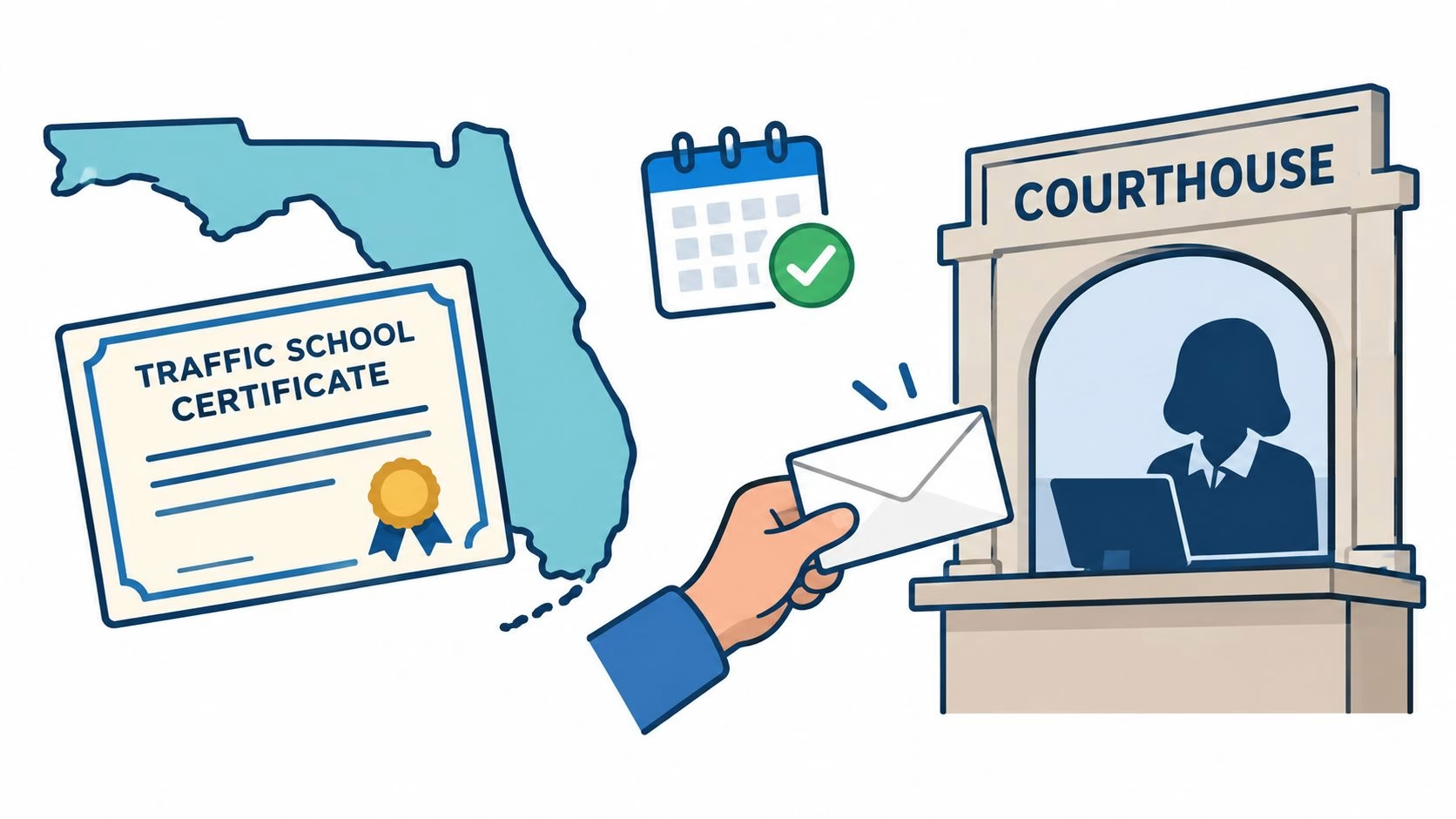
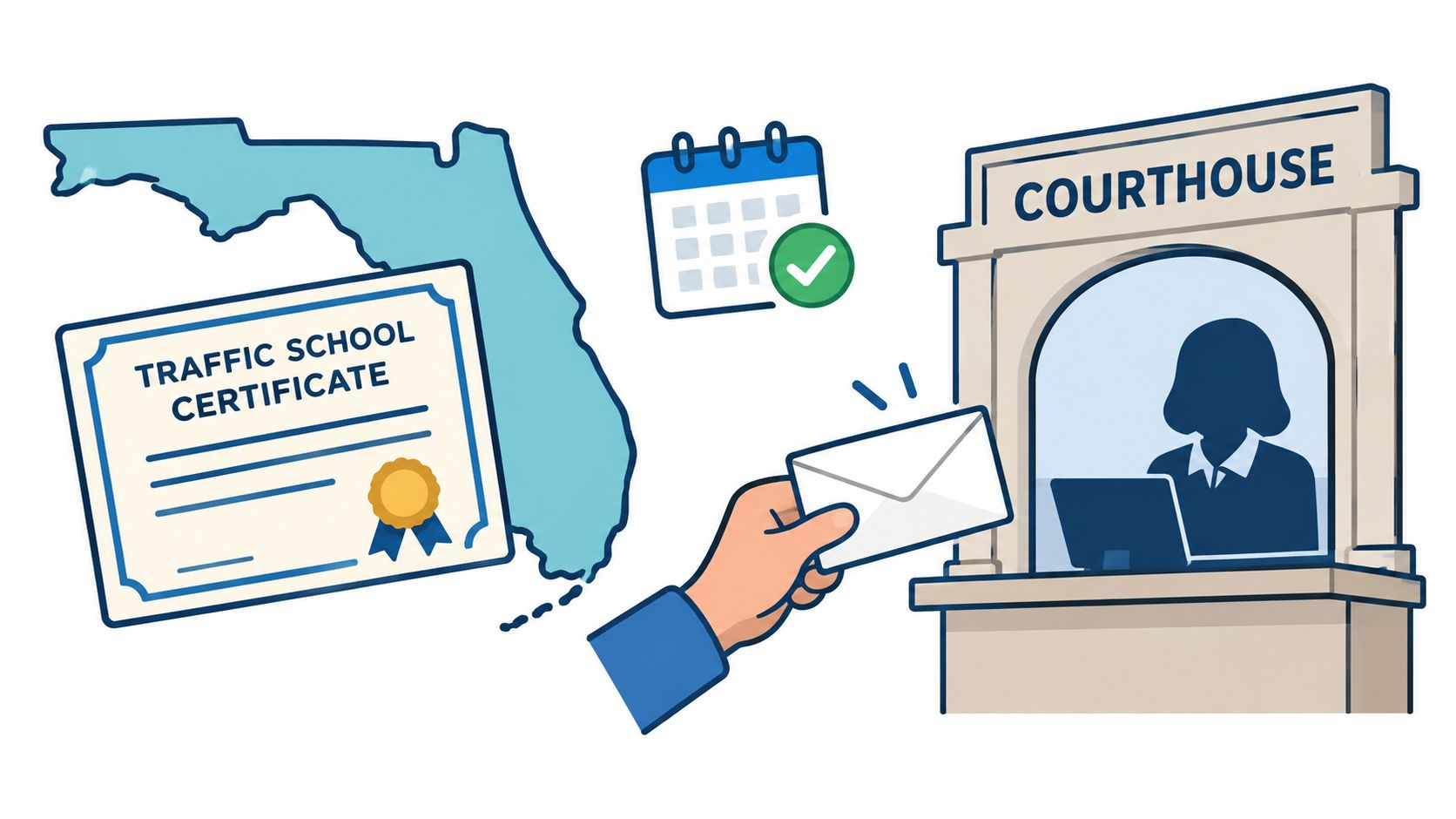
For many students, the final certificate is not the only outcome that matters. They may need a provider to report completion to a court, state agency, or insurer, depending on the course and local rules.
Digital systems can make reporting faster and reduce paperwork, but the details matter. Some programs report electronically, while others require the student to download, print, upload, or submit a certificate. Processing times can also vary.
Before enrolling, drivers should confirm four details: whether the course is approved for their exact requirement, how long completion takes, how the certificate or record is delivered, and whether they must submit anything themselves. Those answers prevent a common problem: finishing a course that does not meet the deadline or the agency’s documentation rules.
Privacy and Identity Verification Need a Sensible Balance
Online education must verify that the enrolled student is completing the work. Depending on the program, this may involve security questions, identity checks, login controls, or other verification steps required by the approving authority.
Drivers also have a reasonable expectation that their personal information will be handled carefully. A trustworthy provider should explain what information is collected, why it is needed, and how students can get help if they encounter a verification issue.
More monitoring is not automatically better. The right level of verification depends on the rules governing the course. The priority is a process that protects course integrity without making legitimate students jump through unclear or unnecessary hurdles.
What These Trends Mean for Drivers
The strongest online driver safety programs are becoming easier to fit into daily life while remaining tied to real safety behavior and official requirements. That combination matters whether a driver is completing first-time licensing education, a basic driver improvement course, a mature driver program, or court-ordered traffic training.
When comparing options, convenience should be paired with verification. Look for clear approval information, transparent pricing, device compatibility, straightforward course access, and support if a technical or administrative question comes up. DriverEducators.com reflects this practical direction by offering self-paced online training designed around convenience, course approval, and clear completion expectations.
FAQ: Digital Driver Safety Training Trends
What is digital driver safety training?
Digital driver safety training is online instruction that teaches traffic laws, defensive driving skills, and risk-reduction habits. It may satisfy licensing, court, insurance, or driver improvement requirements when the course is approved for that purpose.
Are online driver safety courses accepted by courts and DMVs?
Some are, but acceptance depends on the course, state, court, and reason for enrollment. Always confirm that the specific program is approved before you begin.
Can I complete a driver safety course on my phone?
Many online courses support mobile devices. Check the provider’s device requirements and remember that course timers, quizzes, or identity checks may still apply.
Does AI-based driver training count as an approved course?
Not by itself. An AI tool may support learning, but an official requirement usually requires completion through an approved provider.
How quickly will I receive proof of completion?
It depends on the course and reporting rules. Some providers issue a certificate immediately after successful completion, while others report directly or process records on a set schedule.
Choose a course that makes the next step clear before you enroll. When the format is convenient, the approval is confirmed, and the lessons connect to real driving decisions, completing a requirement can also become a meaningful step toward safer driving.