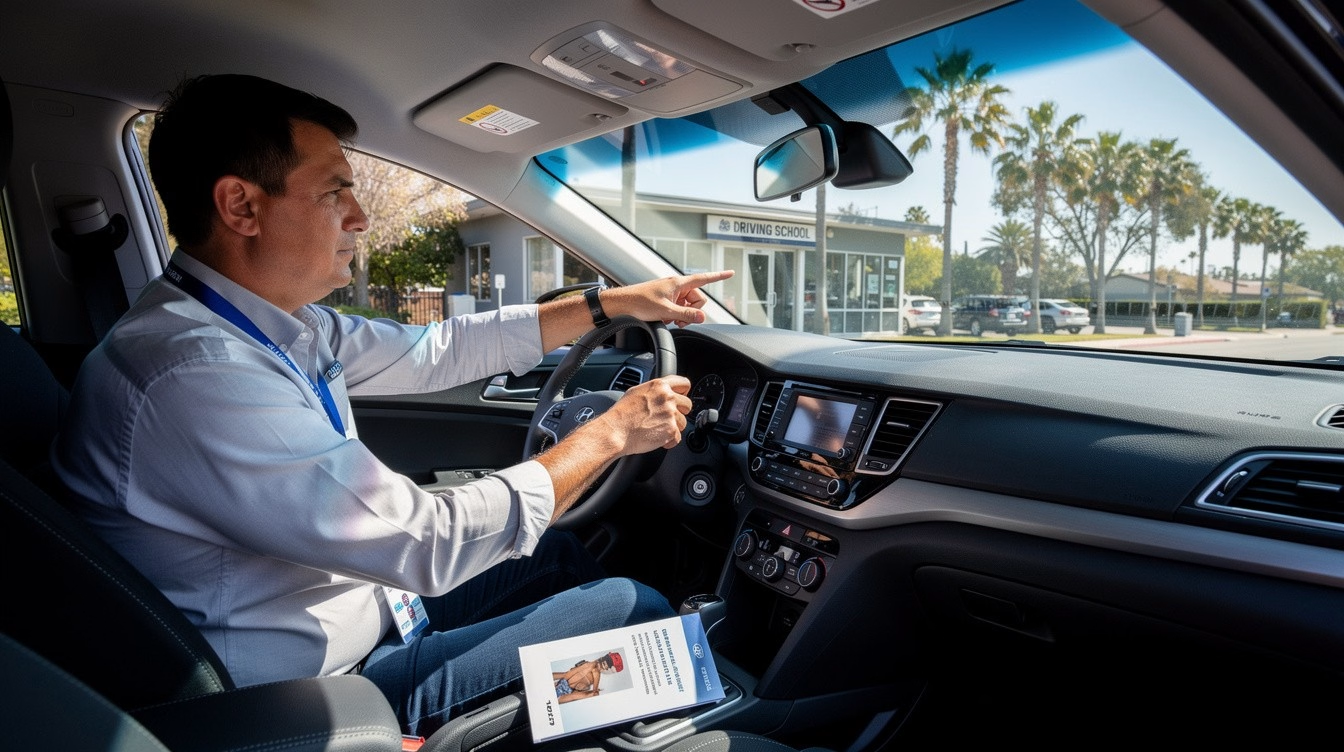
Your first driving lesson expectations matter because they shape how you approach learning behind the wheel. Knowing what happens during that initial session removes anxiety and helps you focus on building real skills.
We at DriverEducators.com have guided thousands of new drivers through their first lessons, and we’ve seen how preparation makes the difference. This guide walks you through exactly what to expect, common pitfalls to avoid, and how to make progress after day one.
Your First Driving Lesson Structure
Meet Your Instructor and Prepare the Vehicle
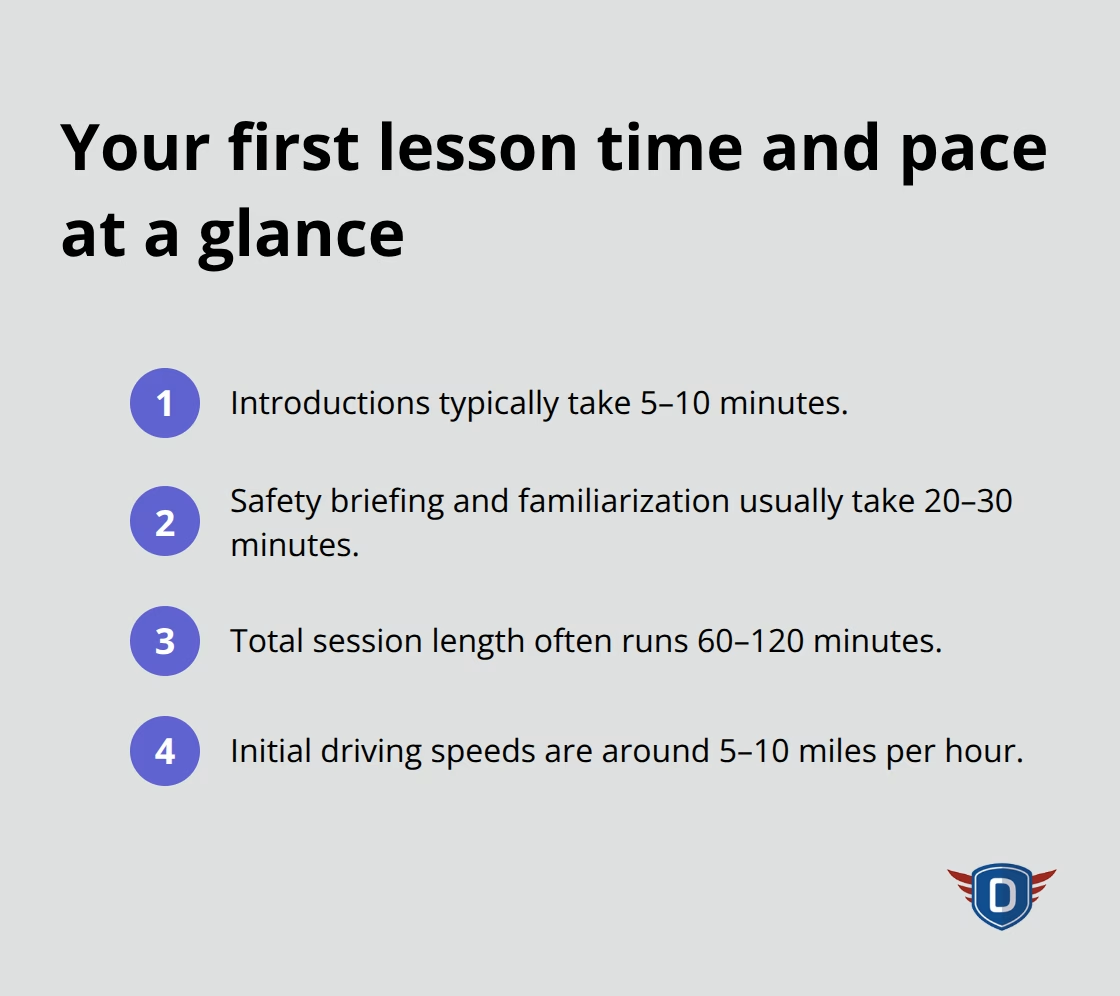
Your instructor will spend the opening minutes establishing rapport and explaining what happens next. This initial conversation sets the tone for how comfortable you’ll feel during the session. Most instructors dedicate 5–10 minutes to introductions, discussing your experience level, any concerns, and what you want to accomplish that day. Tell your instructor directly about your nervousness or specific worries-they expect this and adjust their pace accordingly.
After introductions, you’ll move to vehicle orientation while the car remains stationary. Your instructor walks you through seat adjustment, mirror positioning, steering wheel reach, and pedal placement. Proper positioning directly affects your control and visibility. You’ll locate essential controls: the ignition, wipers, lights, and hazard lights.
Safety Briefing and Vehicle Familiarization
A safety briefing covers the dual-control system (if your instructor uses one), hand signals, basic road rules, and what to do if you feel overwhelmed. Your instructor explains the three-second rule and emphasizes that safety margins protect both of you. You’ll practice locating and adjusting mirrors while parked, then perform head checks to understand blind spots. This foundational work takes 20–30 minutes but builds the muscle memory you’ll rely on immediately.
First Movements in a Controlled Environment
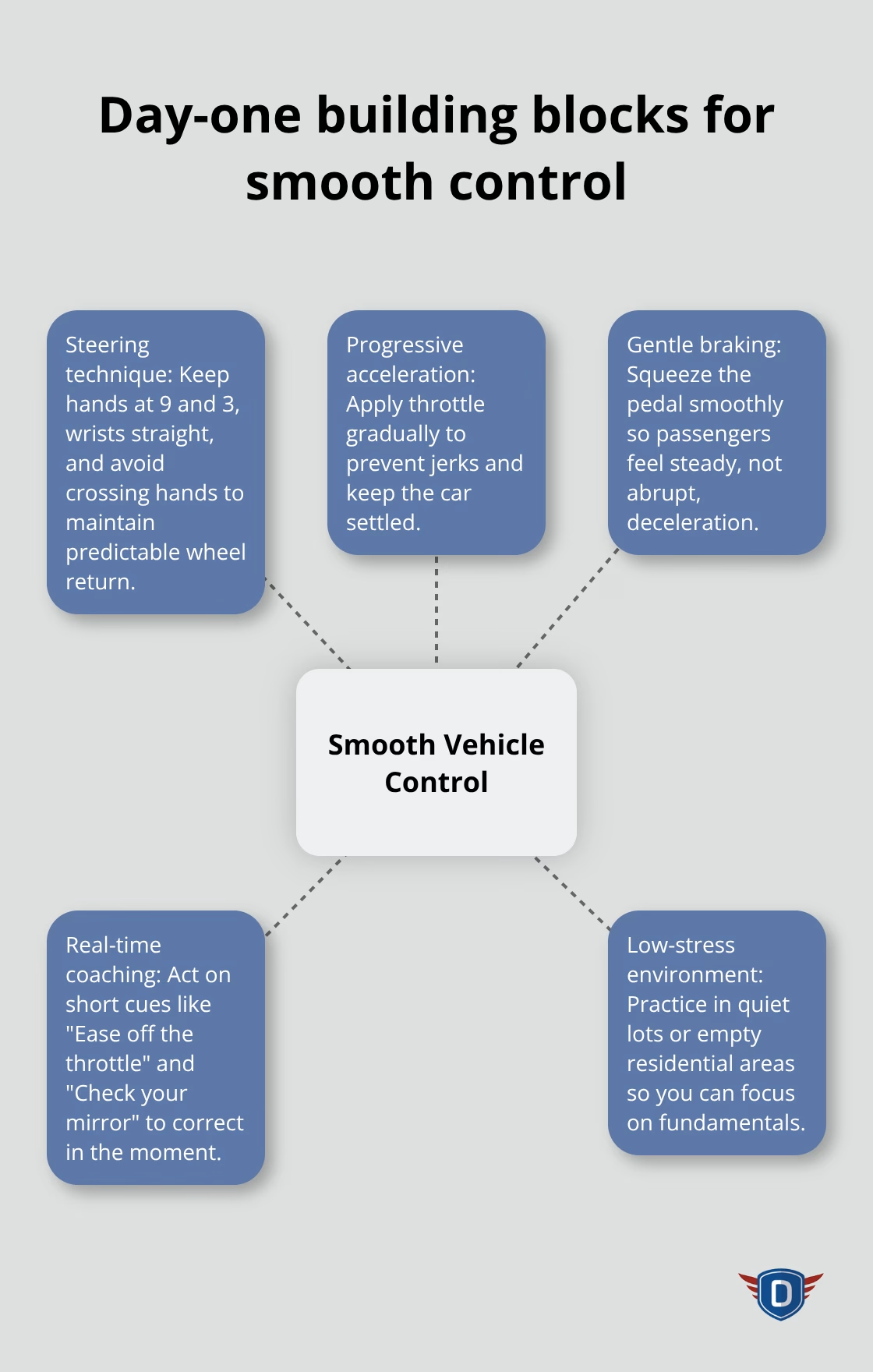
Once you’re comfortable with the vehicle layout, your instructor guides you through starting the engine and basic steering in a controlled space, typically a quiet parking lot or empty residential area. You won’t enter traffic on day one. Instead, you’ll practice moving off smoothly, braking gently, and steering in straight lines before attempting turns.
Your instructor corrects hand position if needed, showing you how to grip the wheel at 9 and 3 o’clock rather than crossing your hands. Acceleration and braking are introduced gradually, with emphasis on smooth, progressive pressure rather than jabbing or jerking. You hear real-time feedback: “Ease off the throttle,” “Check your mirror before that turn,” “Good smooth braking there.” This constant coaching helps you internalize safe habits from day one.
Building Smooth Control and Receiving Feedback
Your instructor will likely assign specific practice tasks before your next session, such as recognizing road signs or practicing observation techniques with a licensed adult. The entire session typically runs 60–120 minutes, and your instructor will discuss whether you want longer or shorter future lessons based on how you felt. The difference between jerky and smooth control becomes clear during these first movements, setting the foundation for everything that follows.
How to Master Engine Start and Vehicle Control
Starting the Engine and Understanding Vehicle Feedback
Starting the engine feels simple until your instructor watches you do it. Your instructor will guide you through the sequence: adjust the seat and mirrors one final time, engage the parking brake, press the clutch pedal fully (manual) or keep your foot on the brake (automatic), then turn the key or press the start button. The engine turns over and settles into an idle. This moment matters because it marks your first real interaction with the vehicle’s responsiveness. Listen to the engine sound and feel the slight vibration through the steering wheel and pedals. Your instructor explains that this feedback tells you the engine is running safely and ready for movement.
Positioning Your Hands and Steering Smoothly
Steering technique involves balancing the steering wheel to avoid sudden movements and minimize steering wheel reversals. Most new drivers grip the wheel too tightly or position their hands incorrectly, which restricts smooth turning and causes jerky corrections. Your instructor will correct your hand position to the 9 and 3 o’clock positions, keeping your wrists straight and elbows slightly bent. This positioning gives you maximum leverage and prevents the wheel from spinning back unexpectedly after a turn.
Practice steering in straight lines first while parked or moving at walking pace in an empty lot. Turn the wheel gradually, count to two, then straighten it out. This deliberate practice builds muscle memory so your steering becomes automatic rather than panicked. Many instructors emphasize that steering should feel like a gentle conversation with the road, not a fight for control. Your first movements will be slow-probably 5–10 miles per hour-which feels almost frustratingly slow but is exactly right for learning.
Mastering Smooth Acceleration and Braking
Speed control comes next. Acceleration requires smooth, progressive pressure on the throttle rather than sudden jabbing. Press the accelerator gradually as if you’re squeezing a soft sponge, not flipping a switch. Braking demands the same smoothness: ease your foot onto the brake pedal with steady pressure, avoiding the temptation to slam it. Your instructor will correct you immediately if you jerk the wheel or brake harshly, explaining that passengers feel every abrupt movement and that smooth control is the hallmark of safe driving.
Practice these three skills-steering, acceleration, and braking-in isolation before combining them. Start in a parking lot with no obstacles, then add gentle turns, then add speed changes. This layered approach prevents overwhelm and builds genuine competence. Your instructor might have you practice the same maneuver five or ten times until it feels natural, which is far more valuable than rushing through a variety of tasks poorly.
Building Competence in Low-Traffic Environments
Low-traffic areas like quiet residential streets or large empty parking lots help drivers enhance safety and build driving confidence. These environments let you focus entirely on vehicle control without the distraction of other traffic or pedestrians. Your instructor selects a route with minimal variables: flat terrain, wide roads, few intersections. You’ll practice moving off from a standstill, traveling in a straight line, making gentle turns, and stopping smoothly. Each of these actions reinforces the foundation.
When you make a turn, your instructor reminds you to check mirrors and perform a head check before moving the steering wheel, embedding the habit of looking before acting. Stopping requires you to slow gradually, signal if turning, and come to a complete halt without lurching. These basic maneuvers take the entire session for most learners, and that’s appropriate. Rushing to more complex tasks before mastering fundamentals causes bad habits that become difficult to unlearn later. As your confidence grows and your control improves, your instructor will introduce slightly busier roads and more challenging scenarios in your next sessions.
Mistakes That Slow Your Progress on Day One
Stop Overthinking and Start Executing
Overthinking every pedal press and steering adjustment freezes you behind the wheel. New drivers create mental friction by narrating their movements internally: Should I brake now? Is my hand position exactly right? Am I turning too sharply? This internal commentary splits your attention and makes smooth control impossible. Your instructor’s job is to guide you through the sequence; your job is to execute the movement without second-guessing yourself mid-action.
Perform the action your instructor requests, receive feedback afterward, then adjust for the next attempt. Repetition builds automaticity far faster than hesitation. Most new drivers who struggle on day one lack ability; they drown in self-doubt instead. Your instructor has seen thousands of learners and expects imperfect first attempts. Mistakes during day one are data, not failure.
Master Hand Position and Steering Technique Early
Hand position and steering technique matter far more than most new drivers realize because poor technique creates bad habits that persist for years. Gripping the wheel at 9 and 3 o’clock instead of older positions reduces your leverage and causes jerky corrections when you need smooth control. Crossing your hands during turns or tensing your wrists restricts the wheel’s natural return and forces you to fight the vehicle rather than guide it.
Your instructor corrects this immediately because the first few hours establish the foundation for all future driving. The difference between proper and improper technique becomes obvious within minutes of practice. Smooth steering feels effortless once your hands sit in the right position and your wrists stay relaxed.
Check Mirrors and Blind Spots Before Every Action
Failing to check mirrors and blind spots before every maneuver is the single most dangerous mistake new drivers make. Looking at your mirror takes less than one second, but skipping this step means you operate blind. Your instructor will interrupt you repeatedly with reminders: Check your mirror before that turn. Head check on the left. Look right before moving off.
This repetition feels annoying, but it’s the only way to embed the habit so deeply that you perform it automatically without conscious thought. Your instructor will keep you in low-traffic areas until the habit sticks (typically several lessons). You should check mirrors and blind spots before steering, accelerating, or braking. If you’re not doing this consistently, you’re not ready to progress to busier roads.
Final Thoughts
Your first driving lesson ends, but your learning accelerates between sessions when you practice deliberately and reflect on your instructor’s feedback. Write down two or three concrete points your instructor mentioned, then focus on those areas during your next practice session with a licensed adult driver. Practice two to three times per week because consistency matters far more than marathon sessions-thirty minutes of focused practice on one skill beats three hours of unfocused driving.
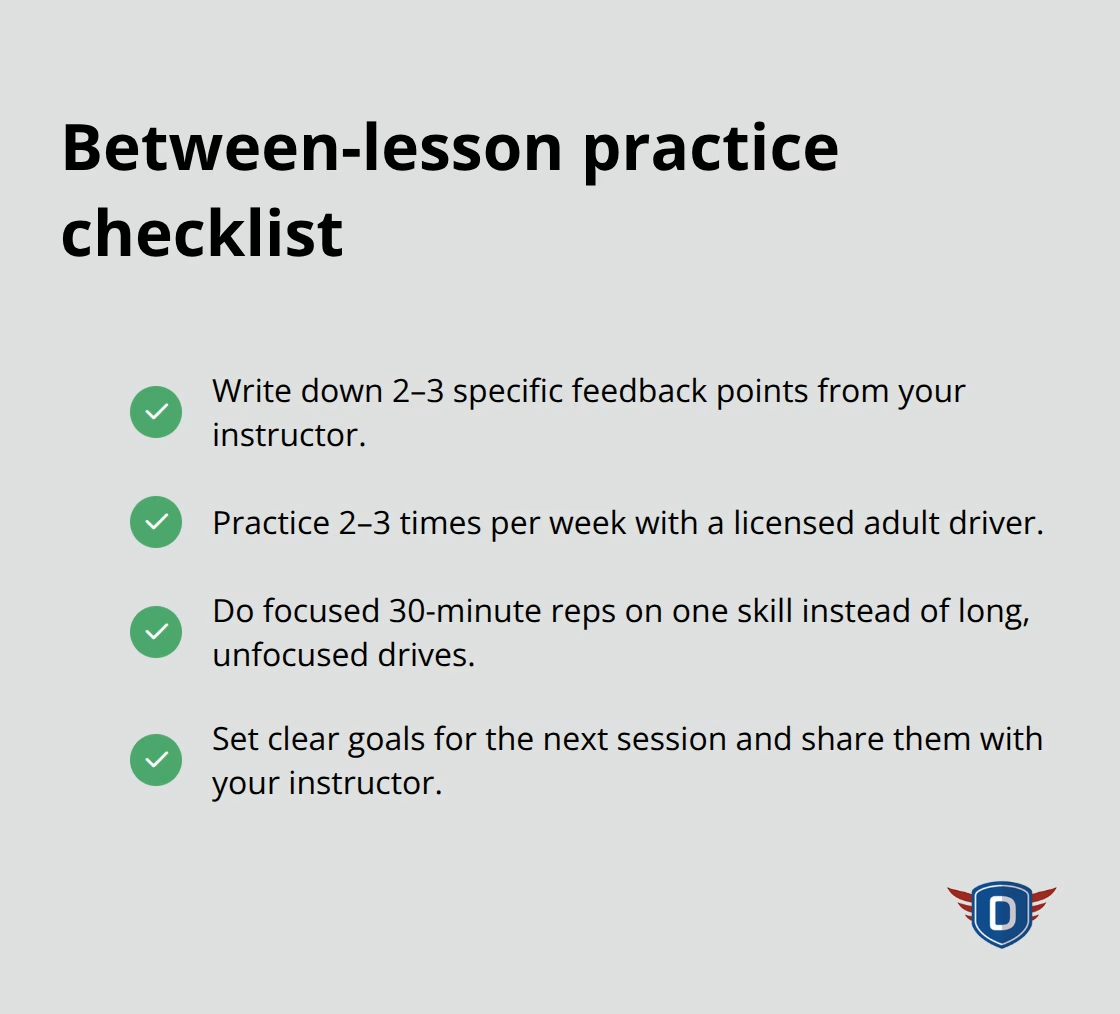
Set specific goals for your next session rather than vague intentions. Instead of thinking you want to improve turning, decide that you will practice smooth steering through gentle turns in a quiet residential area and check your mirror before every turn. Share these goals with your instructor at the start of your next lesson so they can structure the session around your priorities, transforming your lessons from passive instruction into active skill development.
Your first driving lesson expectations should now feel realistic and grounded in what actually happens during day one. Progress is gradual, mistakes are normal, and consistent practice between lessons determines how quickly you advance-DriverEducators.com helps you build safe driving habits through structured guidance and expert instruction.