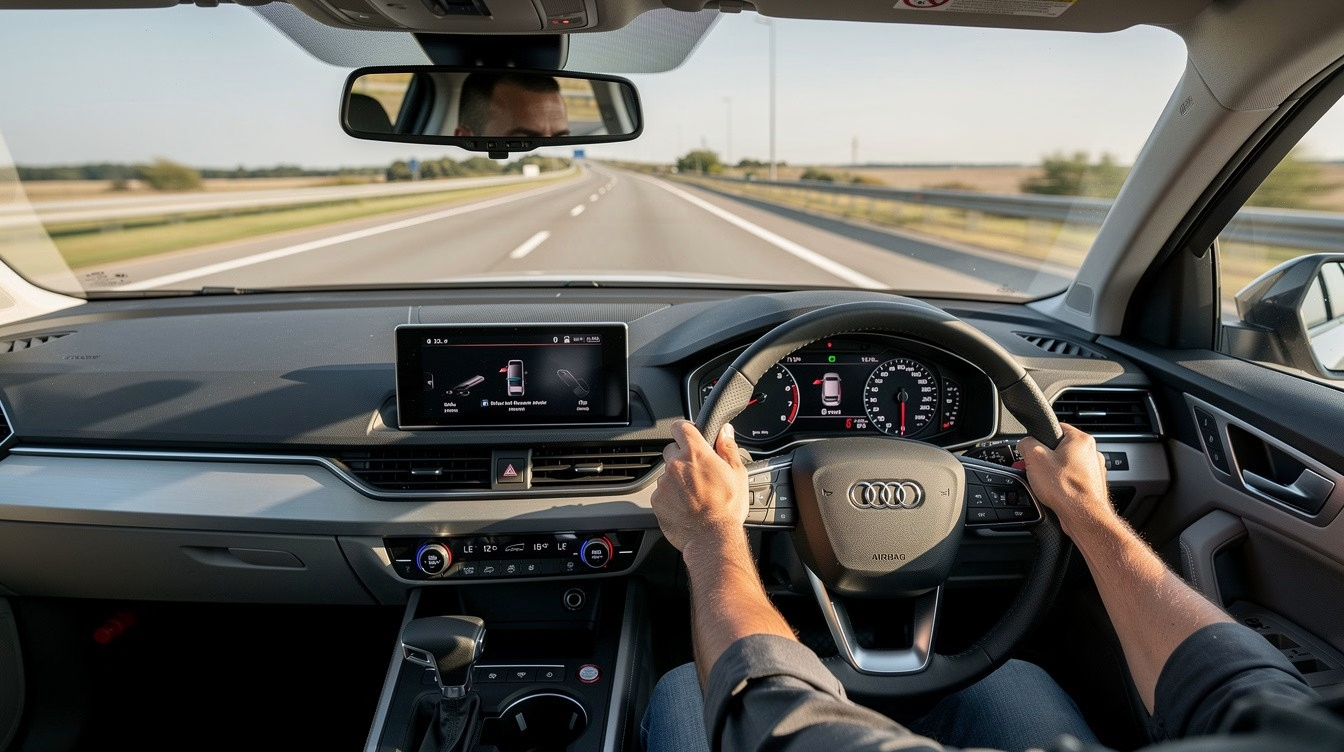
A quiet highway, a warm vehicle, and a schedule that leaves no room for delay can create a dangerous combination. To prevent drowsy driving, treat fatigue as a driving impairment, not a minor inconvenience. A tired driver can miss traffic signals, drift across lanes, react too slowly, or briefly fall asleep without realizing it.
Unlike a dead phone battery or low fuel light, fatigue can be easy to ignore until the risk becomes immediate. The safer choice is to plan for alertness before the trip begins and to stop driving when your body signals that it is no longer safe to continue.
How to Prevent Drowsy Driving Before a Trip
The most reliable protection against drowsy driving is adequate sleep. Adults generally need at least seven hours of quality sleep each night, although individual needs vary. If you have been sleeping poorly for several nights, one long night of sleep may not fully restore your alertness.
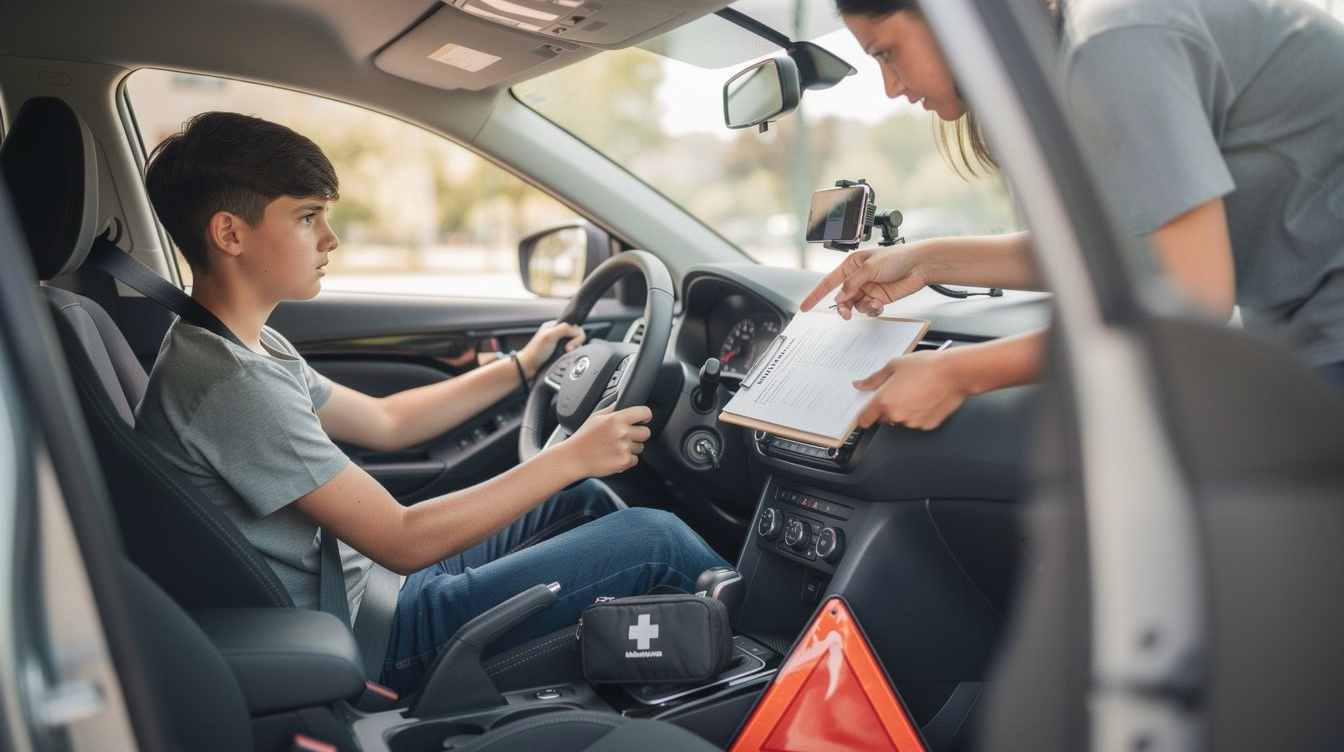
Avoid beginning a long drive after a late shift, an all-night study session, or a day that has already required intense concentration. This is especially relevant for teen drivers, commercial drivers, parents of young children, and anyone working irregular hours. A trip may look manageable on a calendar, but it may not be safe given your actual sleep.
Plan departure times around your natural alertness when possible. Many fatigue-related crashes happen overnight and in the early afternoon, when the body naturally becomes less alert. Leaving at midnight to avoid traffic may save time only if you are well rested and prepared to take breaks.
Check medications and health factors
Some prescription and over-the-counter medicines can cause sleepiness, slow reaction time, or affect concentration. Read the warning label on allergy medicines, cold remedies, sleep aids, pain relievers, and medications used for anxiety or other conditions. Ask a pharmacist or health care provider whether a medication may affect driving.
Health conditions can also increase fatigue. Sleep apnea, insomnia, depression, and untreated medical issues may make drowsiness more likely. If you frequently struggle to stay awake while driving, do not simply rely on coffee. Discuss the pattern with a qualified health care professional.
Recognize the Warning Signs Early
Drowsiness does not always feel dramatic. It often begins with small lapses in attention that drivers explain away as boredom or a long day. Those lapses can turn into a serious crash risk within minutes.
Common warning signs include frequent yawning, heavy eyelids, trouble focusing, missing road signs or exits, and difficulty remembering the last few miles. You may also find yourself changing speed without intending to, following too closely, drifting toward a lane line, or hitting rumble strips.
Microsleeps are among the most dangerous signs. A microsleep is a brief, involuntary sleep episode that can last a few seconds. At highway speeds, a vehicle can travel hundreds of feet while the driver is not processing the road.
Do not wait for your head to nod before taking action. If you recognize any of these signs, safely exit the roadway as soon as practical and rest in a safe location. Pulling onto a highway shoulder is generally not a safe solution except for an emergency.
What to Do When You Feel Tired Behind the Wheel
Stopping is the only dependable response to severe fatigue. Open windows, loud music, cold air, and conversation may feel helpful for a few minutes, but they do not replace sleep. They can create a false sense of alertness while reaction time continues to decline.
If you are on a longer trip, choose a well-lit rest area, parking area, or other safe place to stop. A short nap of about 15 to 20 minutes can improve alertness temporarily. Give yourself a moment after waking up to become fully oriented before returning to the road.
Caffeine can help some drivers for a limited time, but it is not a cure for sleep deprivation. It takes time to work, and its effects vary based on the person, amount consumed, medications, and tolerance. Caffeine is most useful as a temporary measure combined with rest, not as a reason to continue driving when you are struggling to stay awake.
If another qualified, rested driver is available, switch drivers before fatigue becomes severe. Be honest about how you feel. Passing the wheel to someone who is also tired does not solve the problem.
Prevent Drowsy Driving on Long Trips
Long-distance travel requires a realistic schedule. Build breaks into the itinerary before you leave, rather than treating stops as setbacks. Many drivers benefit from stopping at least every two hours, but the right schedule depends on traffic, weather, sleep, health, and the length of the drive.
Avoid packing a travel day so tightly that there is no safe option to stop. If arriving on time requires you to drive through heavy fatigue, change the plan. Book an overnight stop, leave earlier after adequate sleep, share the driving, or choose another transportation option when available.
Meals matter, too. A very large or heavy meal can make some people feel sleepy, particularly during the afternoon. Choose balanced meals, drink water regularly, and avoid alcohol completely before driving. Alcohol and fatigue together can significantly impair judgment and coordination, even when a person believes they are within legal limits.
Passengers can help by watching for changes in the driver’s behavior. If the driver becomes quiet, misses turns, drifts in the lane, or seems irritated and unfocused, speak up early. A short break is far easier than recovering from a dangerous near-miss.
Make a simple pre-drive decision
Before starting the vehicle, ask yourself three direct questions: Did I get enough sleep? Am I taking any medication or substance that may make me drowsy? Do I have time to stop or change plans if fatigue appears? If the answer raises concern, adjust the trip before you are on the road.
This decision is particularly useful for drivers completing a court, licensing, or driver improvement requirement. Safe driving is not only about knowing traffic laws. It is also about recognizing when you are not fit to drive and making a responsible choice before a mistake becomes a violation or crash.
Frequently Asked Questions
Is drowsy driving as dangerous as drunk driving?
It can be. Severe fatigue slows reaction time, reduces attention, and affects judgment, which are abilities also impaired by alcohol.
Can coffee prevent drowsy driving?
No. Coffee may provide a short-term boost, but sleep is the only reliable remedy for fatigue. Stop and rest if you are having trouble staying alert.
How often should I take breaks on a road trip?
A common guideline is at least every two hours. Take breaks sooner if you feel tired, have been driving at night, or notice warning signs.
What is a microsleep?
A microsleep is a brief, involuntary period of sleep that may last only seconds. A driver can appear awake while failing to process traffic conditions.
Should I drive after taking cold or allergy medicine?
Only if the label and a health care professional indicate it is safe for you to drive. Many medicines can cause drowsiness or slow reactions, even if they are sold without a prescription.
What should I do if I start drifting out of my lane?
Treat lane drifting as an urgent fatigue warning. Safely exit the roadway at the next appropriate location and rest before driving again.
A safer trip does not depend on pushing through fatigue. It depends on giving yourself permission to stop, rest, and continue only when you can give the road your full attention.