Getting a traffic citation in Florida can feel overwhelming, especially if you’re unsure what happens next. The fines, points, and potential license suspension create real consequences that affect your driving record and insurance rates.
We at DriverEducators.com help drivers understand traffic citation Florida basics so you can take the right steps forward. This guide breaks down citation types, how points work, and what options you have to protect your driving privileges.
Types of Traffic Citations in Florida
Moving Violations and Point Penalties
Florida traffic citations fall into distinct categories that determine how they’re handled and what penalties apply. Moving violations directly involve your driving behavior and almost always add points to your record. Speeding carries 3 points, while speeding over 50 mph jumps to 4 points. Reckless driving adds 4 points, careless driving adds 3 points, and failing to stop at a red light adds 4 points.
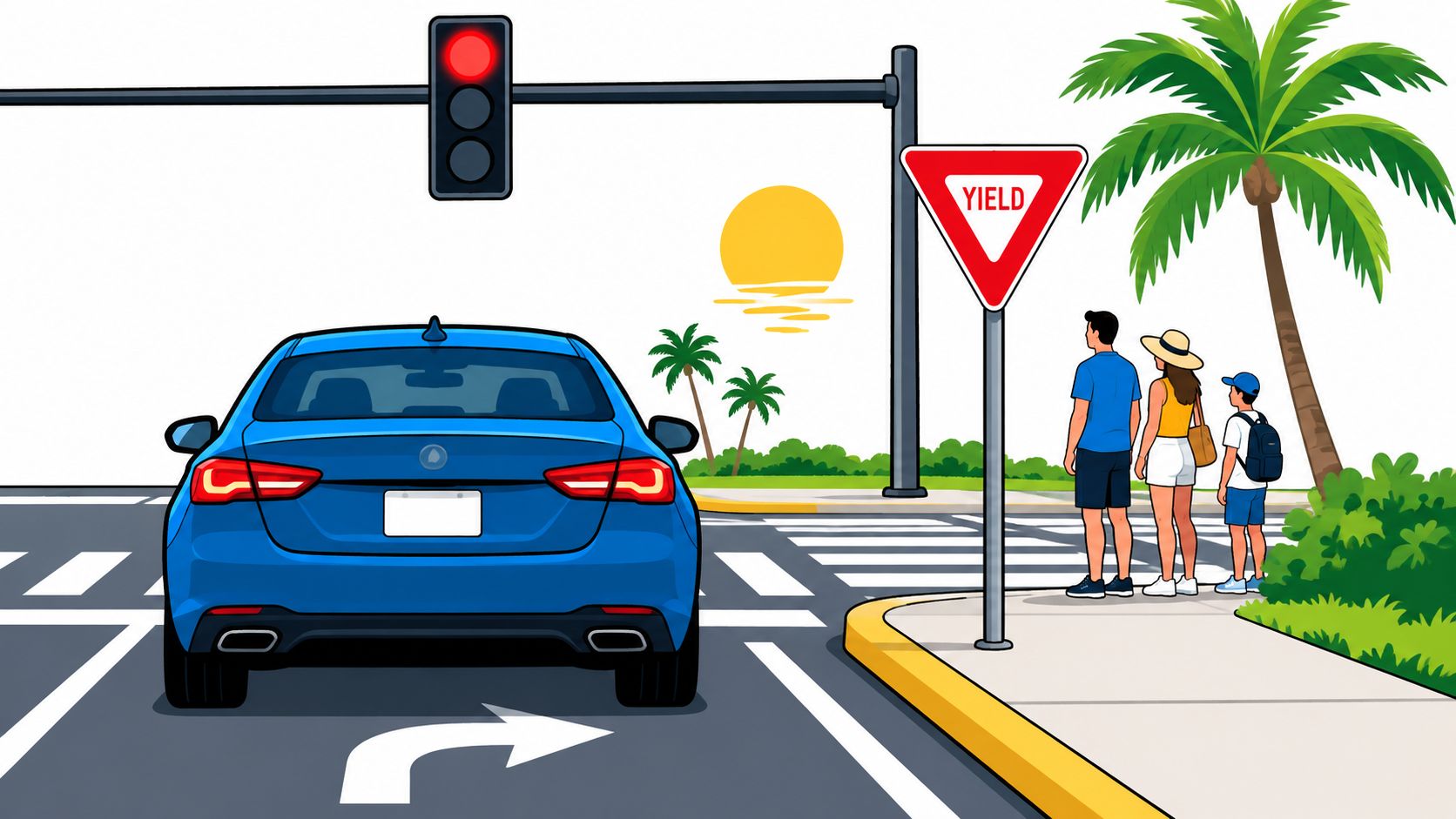
Running a stop sign, improper lane changes, and failing to yield to pedestrians each carry 3 points. School bus violations are serious: failing to stop for a school bus adds 4 points and often requires mandatory driver improvement coursework within 90 days or your license gets canceled. Crash-related violations like leaving the scene with property damage over $50 add 6 points.
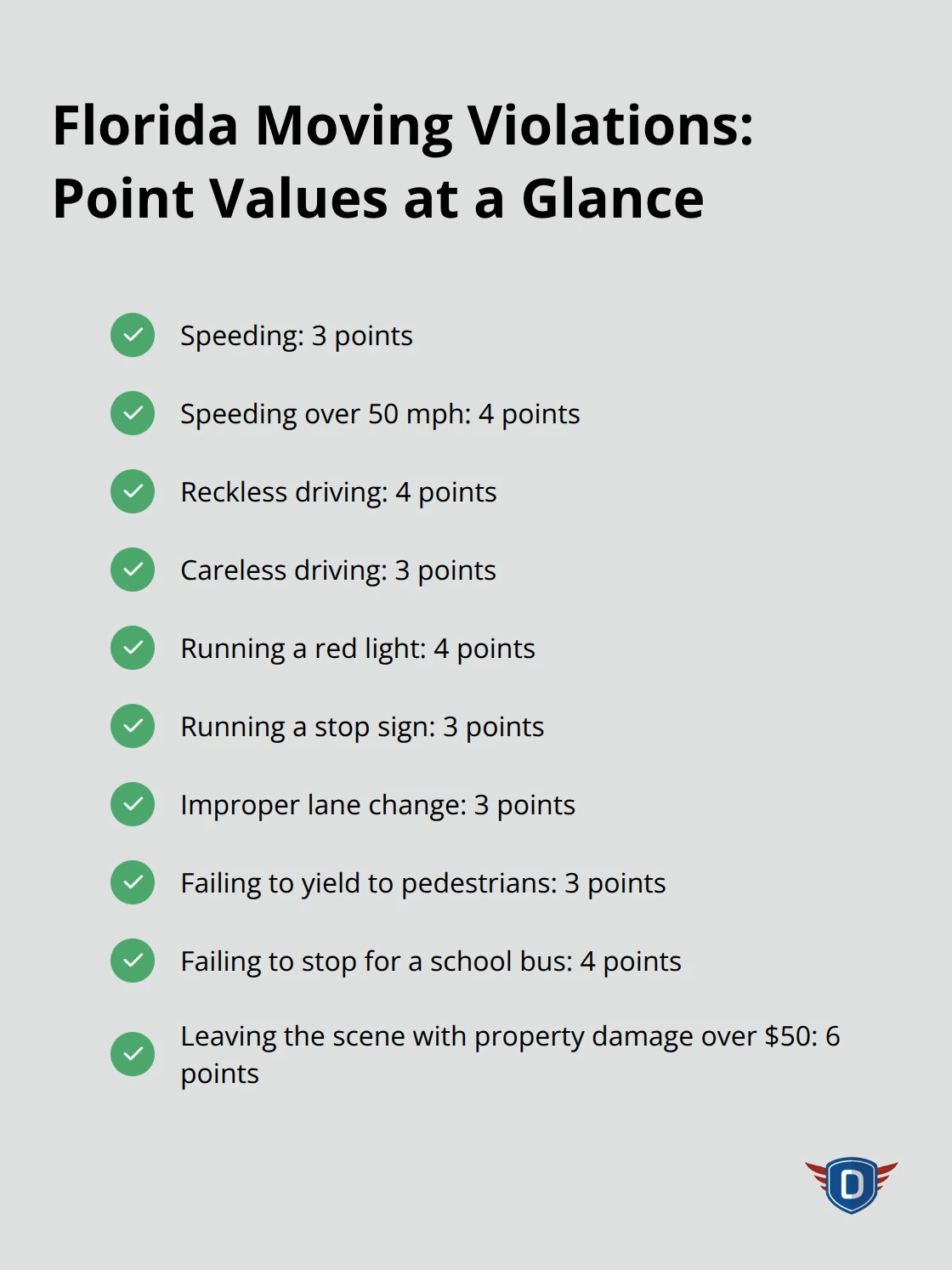
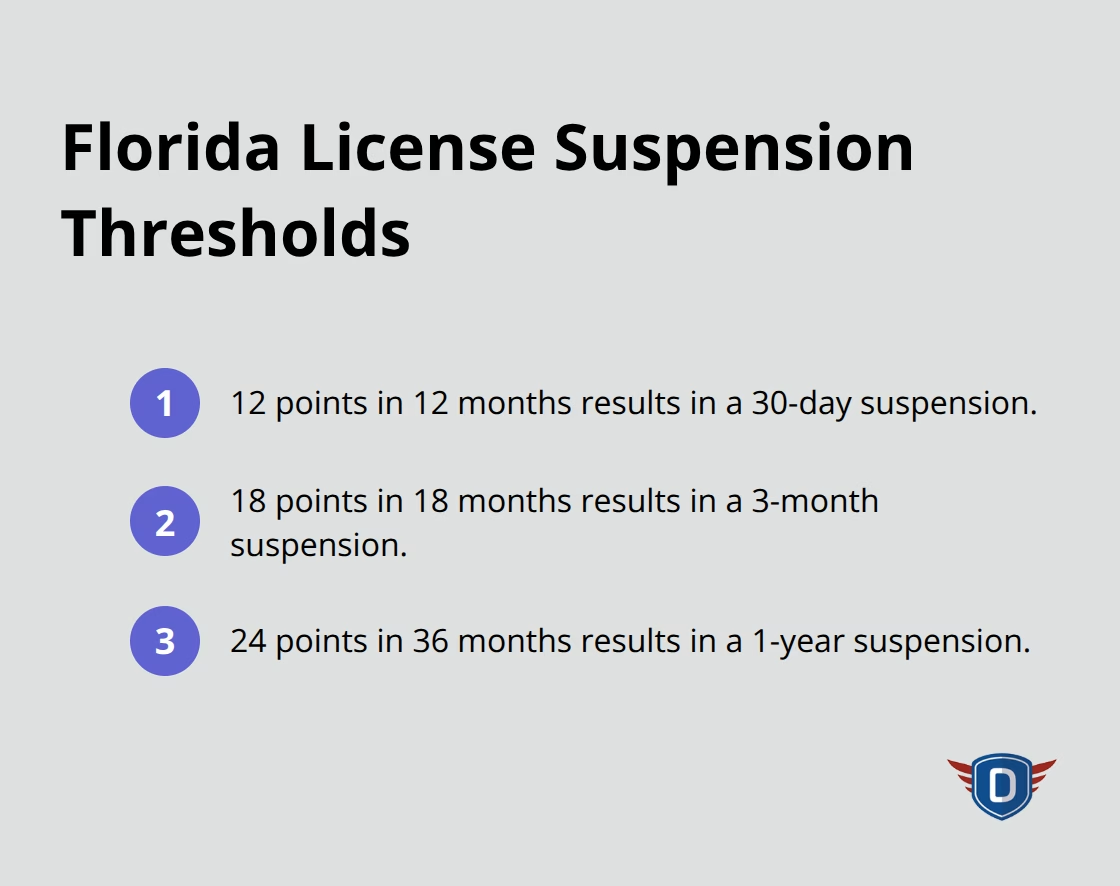
These moving violations directly impact your insurance rates. Accumulating points triggers license suspension thresholds set by Florida’s Department of Highway Safety and Motor Vehicles (12 points in 12 months results in a 30-day suspension; 18 points in 18 months results in a 3-month suspension; 24 points in 36 months results in a 1-year suspension).
Non-Moving Violations and Other Categories
Non-moving violations involve your vehicle’s condition or paperwork rather than how you drive. Expired registration, broken headlights, or child restraint violations each carry 3 points, though some non-moving violations carry no points at all. The critical difference is that moving violations almost always result in points, while non-moving violations sometimes don’t.
Misdemeanor traffic offenses like reckless driving with property damage or DUI represent a step up in severity and can result in jail time, license suspension, and permanent criminal records. Felony traffic offenses such as habitual traffic offender status (accumulating suspensions over time) or DUI with serious bodily injury carry even harsher consequences including lengthy license revocations and prison sentences.
Taking Action Within 30 Days
Understanding which category your citation falls into matters because it determines whether you can simply pay the fine, whether points are added, and whether you’re eligible for traffic school. If you received a moving violation, taking a Basic Driver Improvement course within 30 days can prevent points from being added to your record, which is why acting quickly makes a real difference.
Florida-approved Basic Driver Improvement courses satisfy this requirement and help protect your driving record. The next section explains how Florida’s points system works and what happens when points accumulate on your license.
How Florida’s Points System Works
Points Add Up Fast and Stay on Your Record
Florida’s points system operates on a simple principle: every traffic conviction adds a specific number of points to your driving record, and those points determine whether your license gets suspended. Speeding adds 3 points; speeding over 50 mph adds 4 points. Reckless driving adds 4 points. Running a red light adds 4 points. School bus violations add 4 points. Crash-related violations like leaving the scene with property damage over $50 add 6 points. These points remain on your record for at least five years from the date of conviction, affecting your insurance rates and driving privileges long after you pay the fine. The Florida Department of Highway Safety and Motor Vehicles tracks every point, and you can check your current total anytime using the Online Driver License Check at no cost.
Paying a ticket counts as a conviction and automatically adds points-there’s no way around it unless you contest the ticket or take a driver improvement course within 30 days. This distinction matters because it means your choice in the first 30 days determines whether points stick to your record permanently.
License Suspension Thresholds Are Automatic
License suspensions happen at specific thresholds, and Florida doesn’t issue warnings. Accumulate 12 points in 12 months and you face a 30-day suspension. Hit 18 points in 18 months and you’re looking at a 3-month suspension. Reach 24 points in 36 months and your license is suspended for a full year. These suspensions are automatic-the FLHSMV calculates them based on your record, and you lose your driving privileges regardless of your circumstances.
After suspension, reinstatement requires completing an Advanced Driver Improvement course, paying a reinstatement fee, and potentially obtaining a hardship license through the Administrative Reviews Office. This process costs significantly more money and takes far more time than preventing points upfront.
Basic Driver Improvement Stops Points Before They Happen
Florida offers a real path to avoid points altogether: taking a Basic Driver Improvement course within 30 days of receiving a moving violation citation. This course prevents points from being added to your record if you meet eligibility requirements. You can take this course up to five times in your lifetime, making it your most practical tool for protecting your driving record. The course covers Florida traffic laws, defensive driving techniques, and safe driving habits that reduce your risk on the road.
Many drivers complete this course entirely online, allowing them to study at their own pace and on their own schedule. The investment in a Basic Driver Improvement course now saves you from the far more expensive consequences of license suspension, higher insurance rates, and the hassle of reinstatement later.
Your Next Steps After a Citation
Understanding your citation type and acting within 30 days determines your outcome. Moving violations give you the option to take a Basic Driver Improvement course and protect your record. Non-moving violations and misdemeanor offenses follow different rules and may require court appearances or other actions. The specific violation on your citation tells you exactly which path applies to your situation and what deadline you face.
What Happens After You Get a Citation
Your Three Options Within 30 Days
After receiving a traffic citation in Florida, you have exactly 30 days to make a decision that will affect your driving record for years. You face three distinct options: pay the fine, contest the citation in court, or elect a Basic Driver Improvement course. Paying the fine is the quickest path, but it counts as a conviction and adds points automatically. Contesting the citation requires a court appearance, though some violations allow your attorney to appear on your behalf without you being present. Electing a Basic Driver Improvement course within the 30-day window prevents points from being added if you’re eligible for a moving violation, which is why acting fast matters more than most drivers realize.
How Payment Works and What It Costs
The Florida Department of Highway Safety and Motor Vehicles administers this process, and the Clerk of Court in your county handles the paperwork and deadline enforcement. Missing the 30-day window closes off these options and locks you into paying the fine with points attached. Payment through the Clerk of Court can be done online at payflclerk.com for all 67 Florida counties, making it accessible from your home or phone. If you pay online, your payment processes immediately, but the conviction still hits your record the same way.
Some violations require you to submit proof of compliance, such as a valid driver license or registration, to the Clerk of Court alongside payment. For violations like passing a school bus, racing, reckless driving, running a red light, or traffic control device violations, you may be required to complete a driver improvement course even after paying the fine.
The 18% Fee Reduction You Shouldn’t Miss
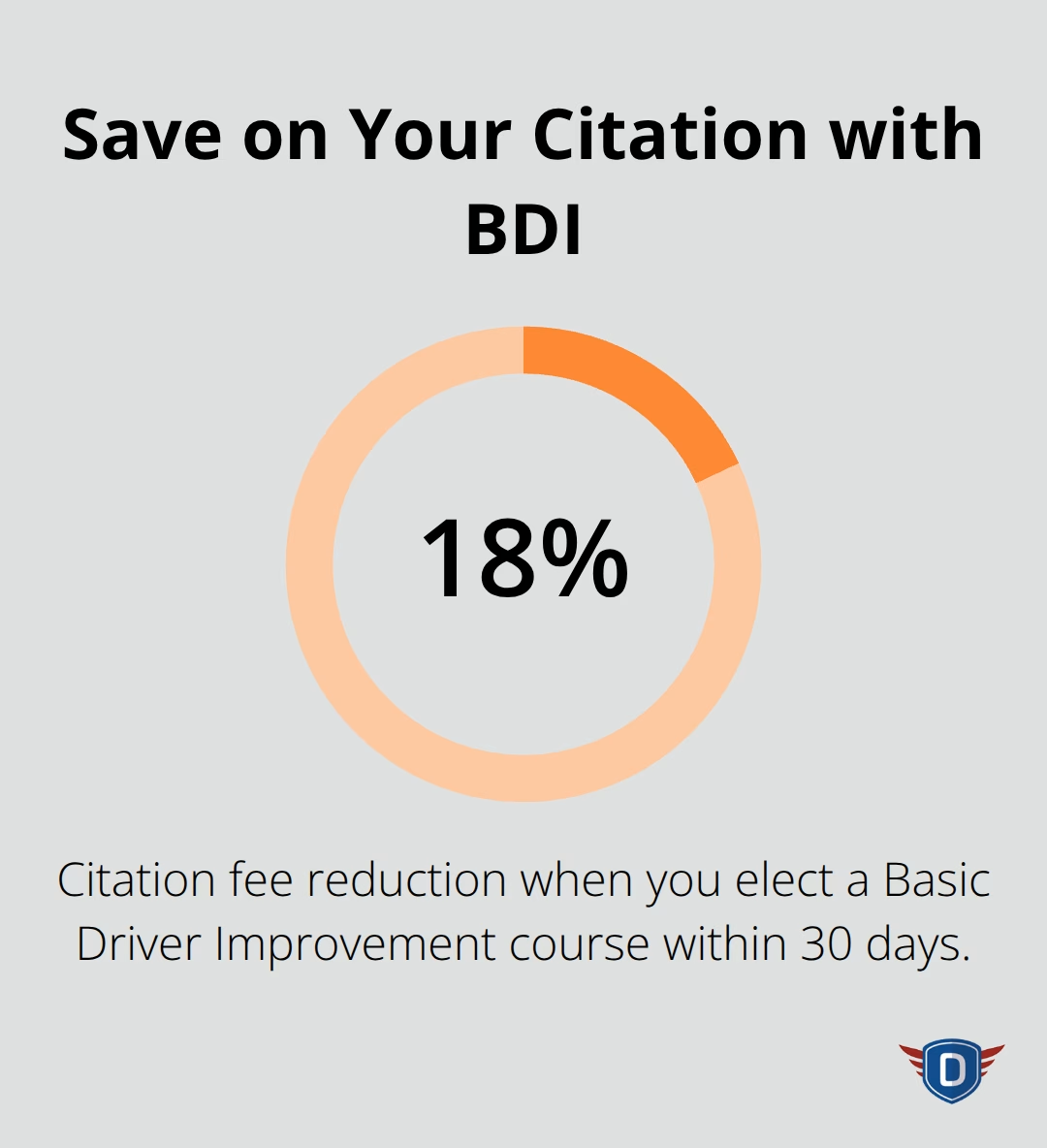
Taking a Basic Driver Improvement course offers an 18% reduction in citation fees, a significant savings that most drivers overlook. DriverEducators.com provides Florida-approved Basic Driver Improvement courses designed specifically to meet FLHSMV standards and help you avoid points.
Our 4-hour course covers Florida traffic laws, defensive driving techniques, and real-life scenarios that make the material stick.
The course is entirely online and self-paced, allowing you to complete it on your schedule without missing work or school. Once you finish and submit your completion certificate to the Clerk of Court, the points withholding takes effect, protecting your driving record and insurance rates from the damage that points cause.
Final Thoughts
Your first 30 days after a traffic citation determine everything about your driving record and insurance rates. Paying the fine locks in points and a conviction that stays on your record for five years, while contesting the citation requires court time and legal representation. Taking a Basic Driver Improvement course prevents points, reduces your citation fees by 18%, and teaches you safer driving habits that reduce your crash risk on Florida roads.
Understanding traffic citation Florida basics helps you make smarter decisions about traffic laws going forward. Knowing that speeding over 50 mph adds 4 points while regular speeding adds 3 points, or that school bus violations add 4 points and trigger mandatory coursework, gives you real incentive to follow the rules. One citation might feel manageable, but accumulating points toward the 12-point, 18-point, or 24-point suspension thresholds creates serious problems that cost thousands in reinstatement fees and higher insurance premiums.
We at DriverEducators.com provide Florida-approved Basic Driver Improvement courses designed to help you avoid points and meet FLHSMV requirements. Our 4-hour online course covers Florida traffic laws, defensive driving techniques, and real-world scenarios that make safe driving habits stick. Complete it at your own pace, submit your certificate to the Clerk of Court, and protect your record from the damage points cause.