Insurance discounts can cut your premiums by 10% to 50%, but most drivers don’t know they qualify. This insurance discount eligibility guide walks you through exactly who gets approved for savings and how to claim them.
At DriverEducators.com, we’ve seen countless drivers leave money on the table simply because they didn’t understand their options. The good news is that qualifying for lower rates is straightforward once you know what insurers are looking for.
Who Qualifies for Lower Insurance Rates
Driving History: Your Strongest Discount Factor
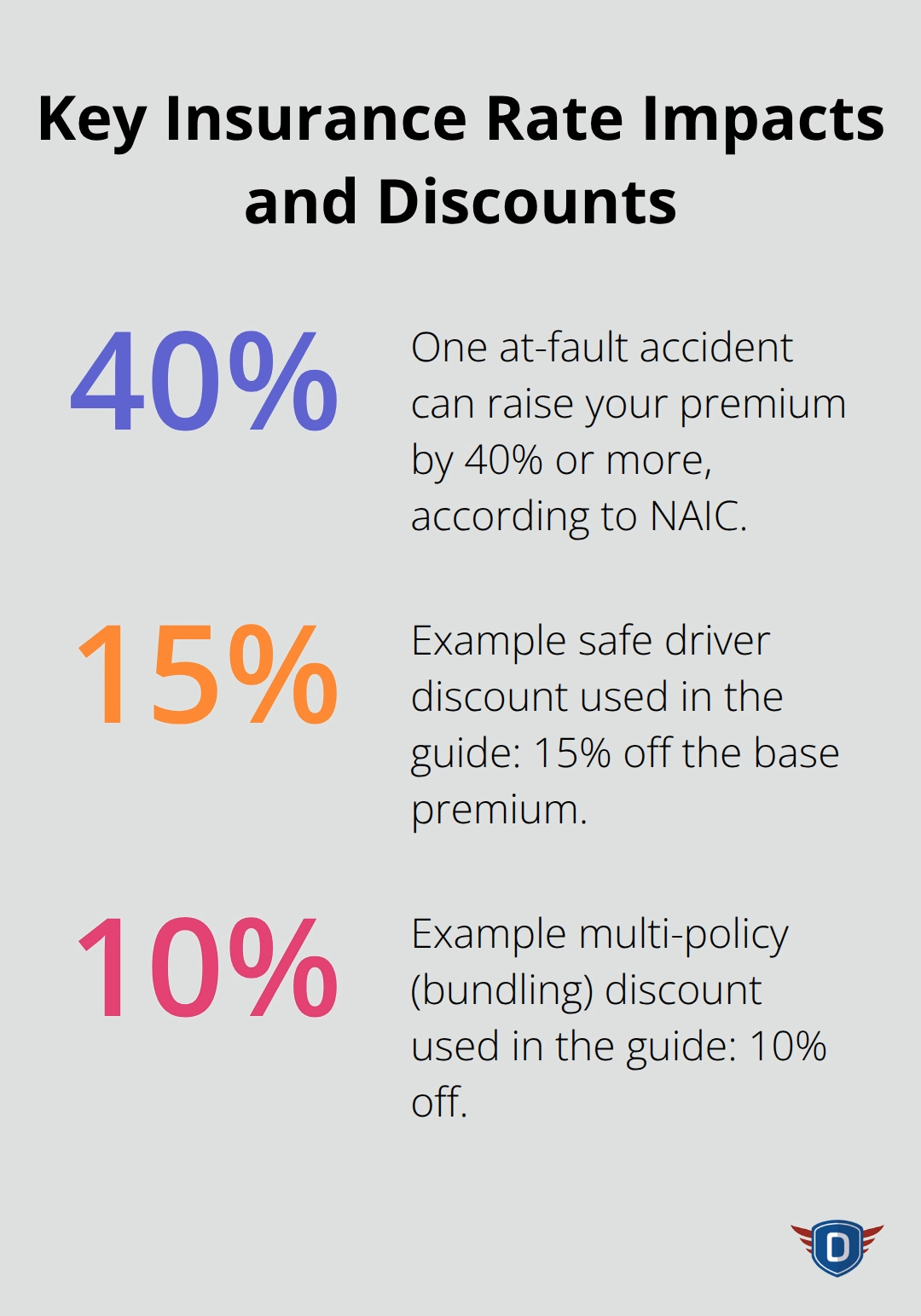
Insurance companies prioritize your driving record above almost everything else. Drivers without accidents or violations in the past 3 to 5 years qualify for the largest savings. According to the National Association of Insurance Commissioners, one accident raises premiums by 40% or more, while a single speeding ticket increases rates by an average of 15% to 20%. At-fault accidents are more likely to affect your premium than accidents for which you weren’t responsible.
Age and Driver Classification
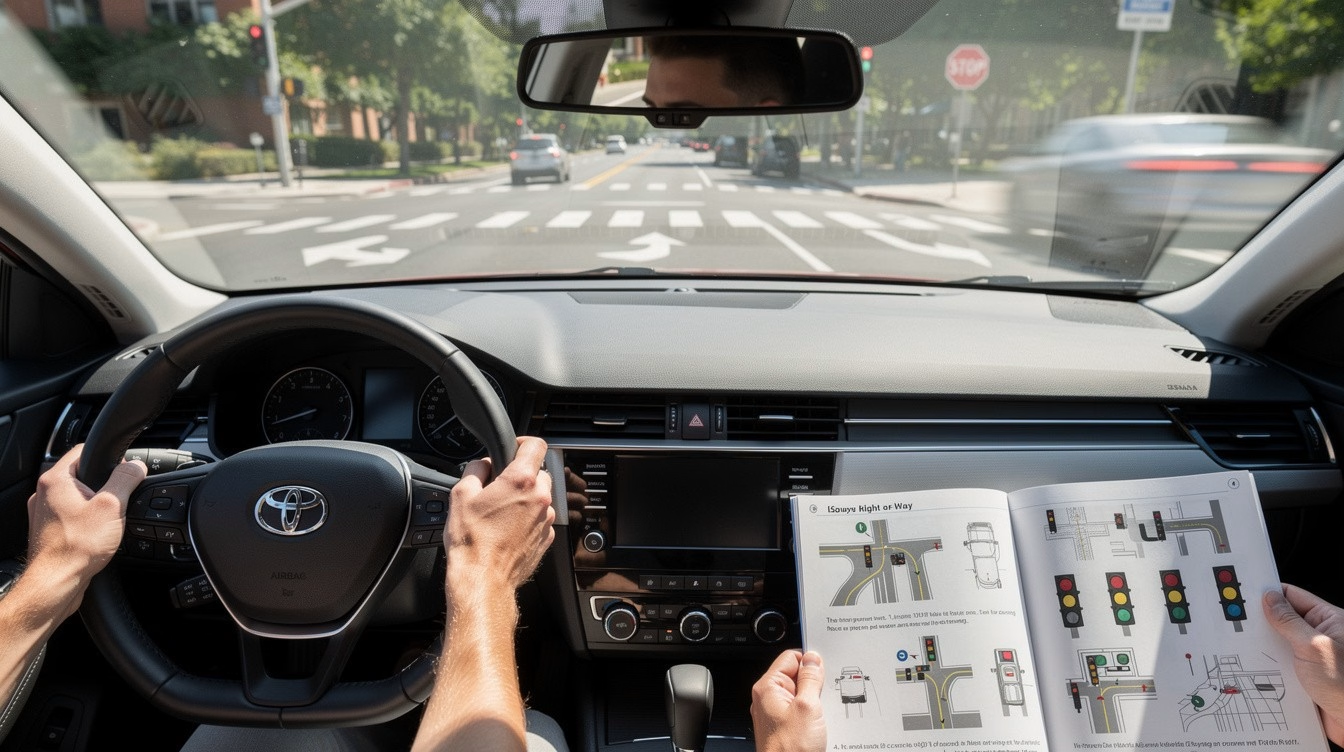
Age significantly affects your insurance qualification. Teen drivers face the highest premiums due to inexperience, while drivers aged 25 to 65 typically qualify for standard rates. Drivers over 55 often access mature driver discounts that recognize decades of safe driving experience. If you received a moving violation, a driver improvement course helps you reduce points and demonstrate commitment to safer habits-something insurers notice when reviewing your file.
Vehicle Safety Features and Equipment
Modern safety technology opens doors to substantial discounts. Anti-theft devices, collision avoidance systems, and automatic braking can reduce your premium by 5% to 25% depending on your insurer. Crash avoidance technologies help reduce collision risk significantly. Vehicles with high crash test ratings from the National Highway Traffic Safety Administration qualify for better rates across most insurers.
Building Your Strongest Discount Case
The combination of a clean driving record, appropriate age classification, and a well-equipped vehicle creates maximum discount approval potential. If your vehicle lacks modern safety features, upgrading to a safer model or adding aftermarket safety technology may qualify you for additional savings. Once you understand what qualifies you, the next step involves actually claiming these discounts with your insurance provider.
How to Claim Your Insurance Discount
Contact Your Insurance Provider Directly
Your insurance company won’t automatically apply discounts to your policy, even if you qualify. Call your agent or log into your online account and ask specifically which discounts you’re eligible for based on your driving record, vehicle safety features, and personal circumstances. State Farm, Geico, and Progressive typically require you to request discounts rather than offer them unprompted.
Prepare the Right Information
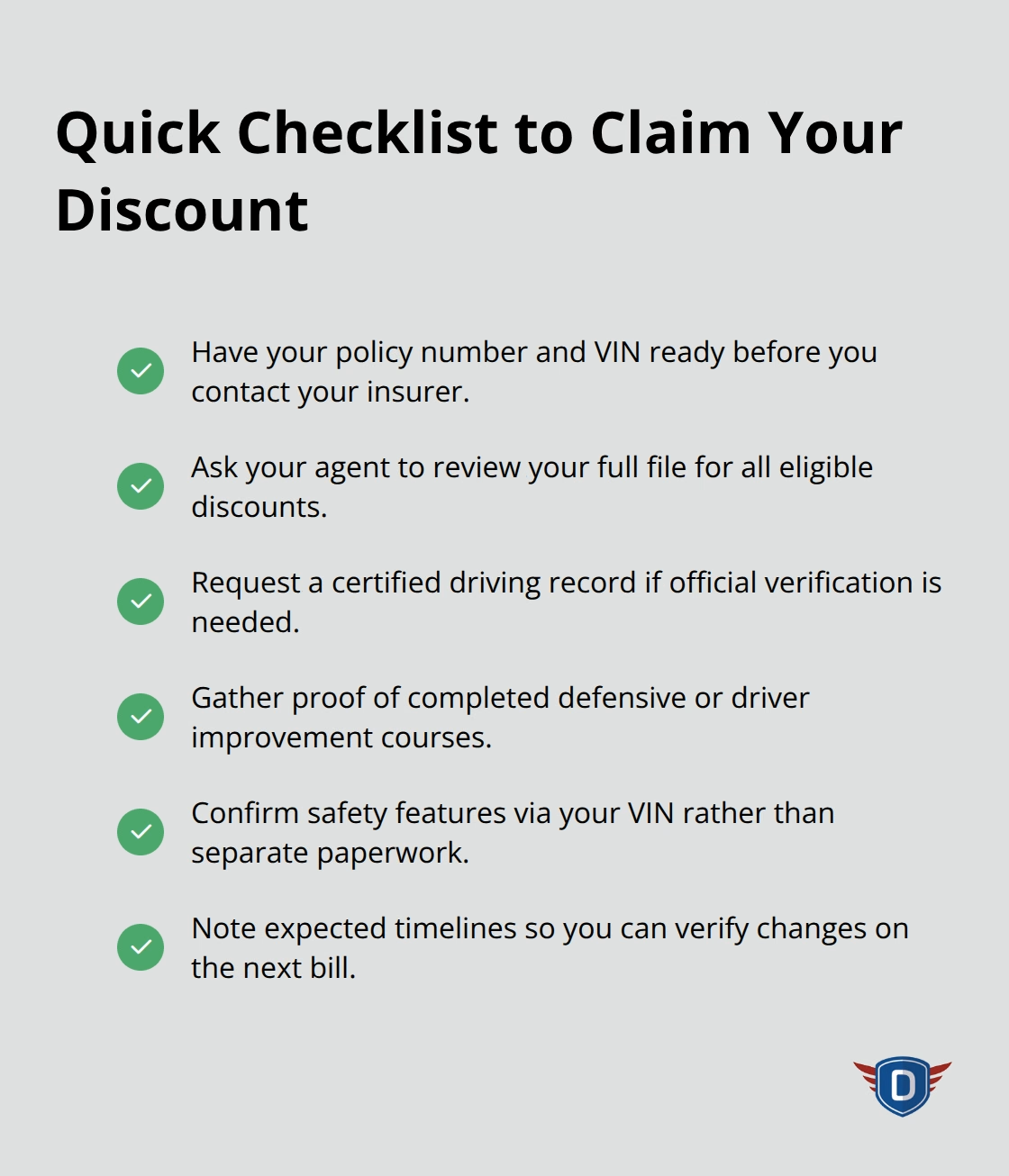
Have your policy number and vehicle identification number ready when you contact your insurer. Ask your agent to review your entire file for safe driver discounts, multi-policy bundling, safety feature discounts, and any state-specific savings programs. Some insurers offer discounts for completing defensive driving courses, which are approved by state departments of driver services.
Gather Required Documentation
Documentation requirements vary by insurer but typically include proof of your clean driving record, vehicle safety feature specifications, and completion certificates for any driver improvement courses. Request a certified driving record from your state’s Department of Motor Vehicles if your insurer asks for official verification. Safety feature discounts usually require vehicle identification information rather than paperwork, since insurers can verify anti-theft devices and collision avoidance systems through your VIN.
Understand the Timeline and Process
Most insurers apply approved discounts within 5 to 10 business days after verification, though some take up to 30 days. Premium reductions appear on your next billing cycle, not retroactively. The application process itself costs nothing, but delaying your request means you’re paying full rates unnecessarily.
Stay on Top of Your Policy
Annually review your policy during renewal to confirm all discounts remain active and ask about new savings options your insurer has added. Switching insurers every 2 to 3 years often yields better rates than staying with the same company, since new customer discounts frequently exceed loyalty discounts in the current market. Once you’ve claimed your initial discounts, the real opportunity lies in combining multiple savings to maximize your overall premium reduction.
Stack Your Discounts for Maximum Savings
How Multiple Discounts Work Together
Most drivers qualify for multiple discounts simultaneously, yet they only claim one or two. Insurance companies reward bundling, safe driving habits, and vehicle safety features all at once. If you have a clean driving record, a modern vehicle with collision avoidance technology, and multiple policies with the same insurer, you could reduce your premium by 30% to 50% rather than just 10% to 15%. A driver paying $1,200 annually who qualifies for a 15% safe driver discount saves $180, but adding a 10% multi-policy discount and a 15% safety feature discount brings total savings to $432 yearly-that’s the difference between leaving money on the table and genuinely optimizing your coverage.
Request a Complete Discount Audit
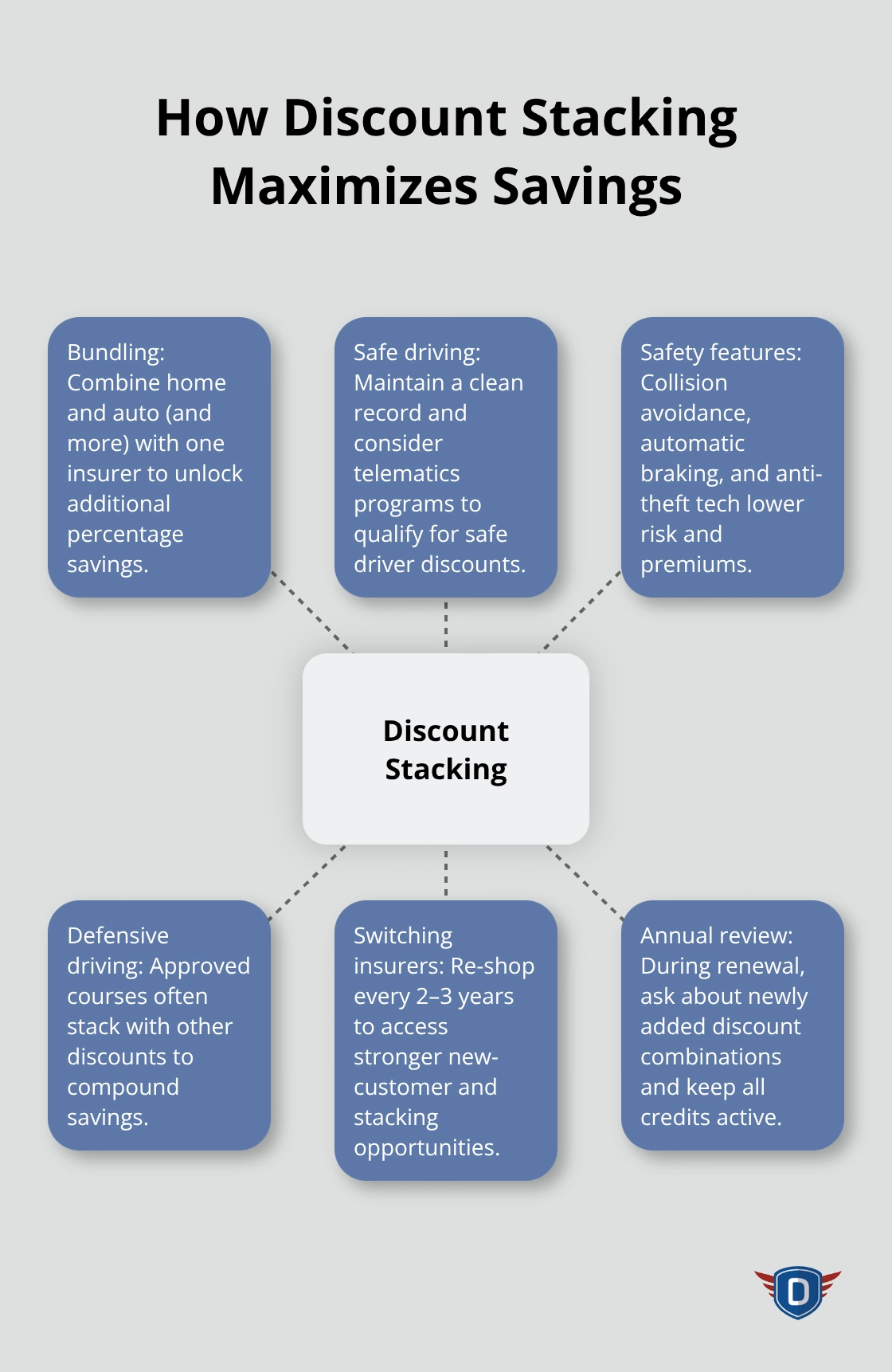
Insurance companies don’t advertise how discounts stack, so you must ask directly. When you contact your insurer, request a complete discount audit rather than asking about one specific savings category. Progressive customers who bundle home and auto insurance typically save 15% to 25%, while State Farm reports that drivers combining safe driver, multi-policy discount stacking, and safety feature discounts reduce premiums by an average of 35%. The key is understanding that each discount applies independently to your base rate.
Understanding Discount Stacking Mathematics
If your insurer applies a 10% safe driver discount first, then adds a 15% bundling discount to the remaining amount, your total savings exceed what either discount would provide alone. Defensive driving courses also stack with other discounts at most major insurers, meaning completing a course while maintaining a clean record and bundling policies creates compounding savings. Your annual policy review should specifically focus on new discount combinations your insurer has introduced, since insurance companies regularly add fresh savings opportunities.
New Discount Programs Worth Monitoring
Some insurers launched accident forgiveness programs within the past three years, which prevent rate increases after your first at-fault accident and effectively create a discount opportunity you wouldn’t have had previously. Switching insurers every few years often reveals better stacking opportunities than staying loyal to one company, since new customer discounts frequently exceed bundling discounts at your current provider. The competitive insurance market means your current insurer’s discount structure from two years ago may no longer be their best offer.
Final Thoughts
Contact your insurance provider this week and request a complete discount audit rather than asking about individual savings. Have your policy number and vehicle identification number ready, then ask specifically about safe driver discounts, bundling opportunities, safety feature savings, and any state-specific programs. Most insurers apply approved discounts within 5 to 10 business days, so your premium reduction appears on your next billing cycle.
The real opportunity emerges when you stack multiple discounts together. A driver combining a clean record, modern vehicle safety technology, and bundled policies can reduce premiums by 30% to 50% rather than settling for 10% to 15%. Switching insurers every 2 to 3 years often reveals better discount combinations than staying loyal, since new customer discounts frequently exceed loyalty discounts in today’s competitive market.
Completing a defensive driving course strengthens your eligibility and demonstrates commitment to safer habits (our Florida-approved traffic school programs help drivers reduce points and qualify for additional insurance discounts). Review your policy annually during renewal to confirm all discounts remain active and ask about new savings options your insurer has added. This insurance discount eligibility guide shows you exactly how to reclaim the savings you’ve already earned.