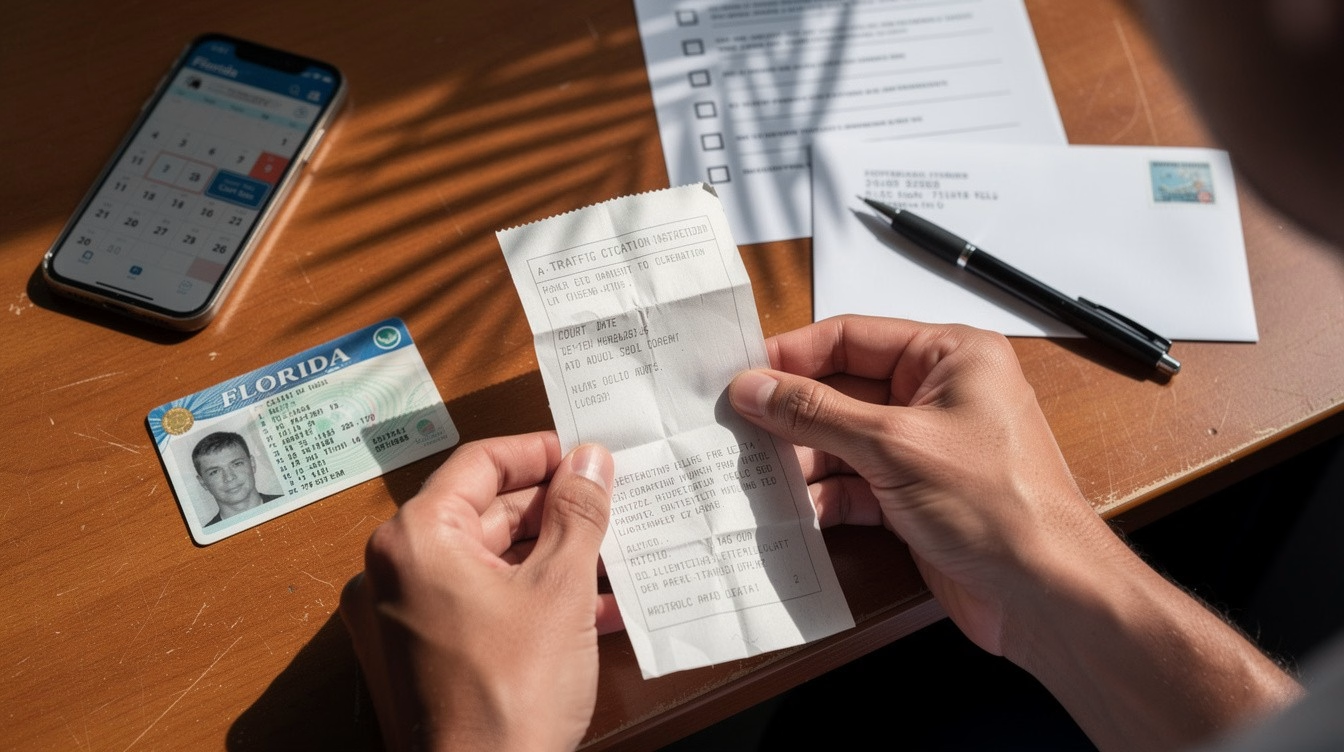
A second ticket is rarely just bad luck. Whether the issue is speeding, phone use, a missed stop sign, or following too closely, repeat citations often come from the same rushed decisions happening in the same places. To prevent repeat violations, drivers need more than a reminder to be careful. They need practical habits that work during a real commute, school drop-off, or late drive home.
A violation can affect your driving record, insurance costs, license status, and court obligations. The exact consequences depend on your state, the offense, and your prior record. The good news is that most repeat problems can be reduced by identifying the pattern early and replacing it with a reliable driving routine.
Start With the Pattern Behind the Citation
The citation tells you what happened, but not always why it happened. A speeding ticket may result from leaving late, driving a familiar route on autopilot, or trying to keep pace with traffic. A distracted-driving citation may begin with one work call that seemed too urgent to ignore.
Look at the conditions around your previous violation. Consider the time of day, road type, traffic level, passengers, weather, and what was competing for your attention. This is not about making excuses. It is about finding the trigger you can control before it becomes another citation.
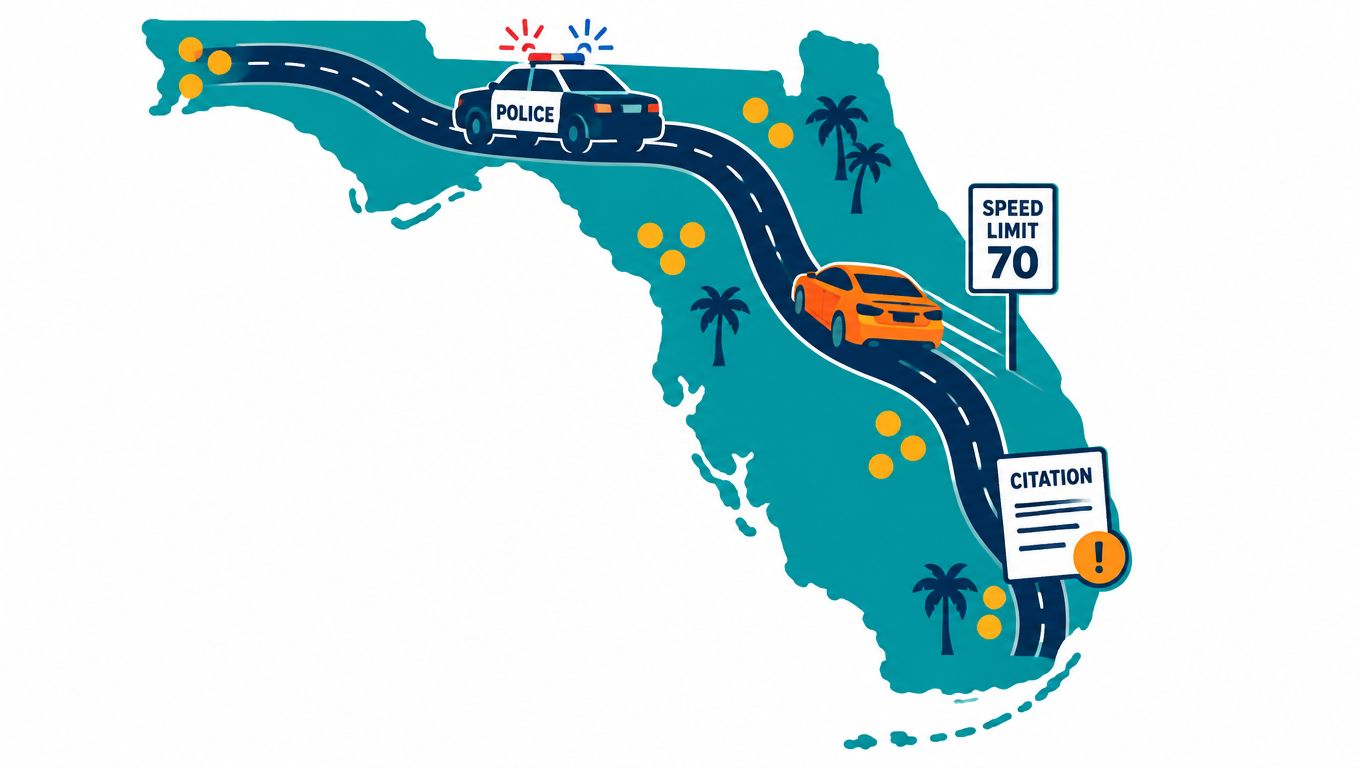
For example, if speeding happens on the same highway entrance each morning, your solution may be leaving 10 minutes earlier and setting cruise control after merging. If rolling stops happen in your neighborhood, make a deliberate three-second stop part of every intersection routine. Small changes are easier to repeat than vague promises to drive better.
Build Habits That Prevent Repeat Violations
Safe driving depends on choices made before the vehicle moves and while it is in motion. The most effective habits reduce the number of decisions you must make under pressure.
Use a short pre-drive routine before each trip. Put your phone on Do Not Disturb or place it where you cannot reach it easily. Set navigation, music, and climate controls before shifting into drive. Check that you have enough time to reach your destination without rushing.
While driving, give yourself more space and more time than feels necessary. A larger following distance creates room to respond without sudden braking or aggressive lane changes. Slowing down before you need to turn, stop, or merge also makes it easier to notice signs and changing speed limits.
Four habits are especially useful for drivers working to avoid repeat citations:
- Check your speedometer after entering a new road, leaving a construction zone, or passing a speed-limit sign.
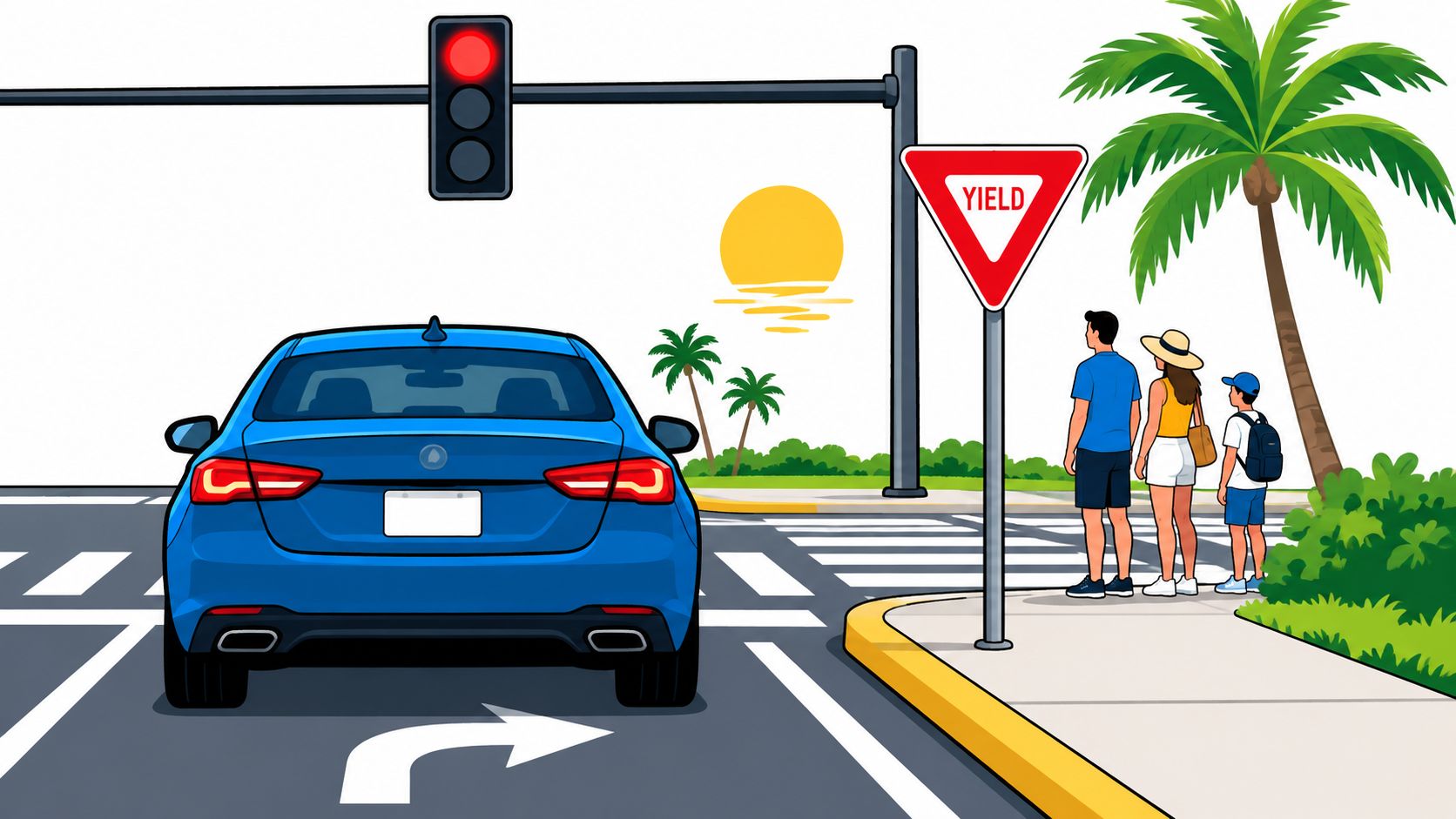
- Make complete stops at stop signs and red lights before checking for cross traffic or pedestrians.
- Keep your phone out of your hand, even when stopped in traffic, unless state law clearly allows the specific use.
- Scan at least 12 to 15 seconds ahead so you can spot brake lights, lane closures, school zones, and changing traffic conditions early.
These habits are simple, but consistency matters. A driver who checks speed only when they see a patrol vehicle is reacting too late. A driver who checks at every roadway transition is using a system.
Make Your Vehicle Support Safer Decisions
Your vehicle can either add distractions or help you stay focused. Use its safety features intentionally, but do not treat them as a substitute for attention.
Speed alerts can be helpful for drivers who repeatedly exceed the limit without realizing it. Navigation apps may display speed limits, but those displays can be wrong or outdated. Posted signs and temporary traffic-control devices always deserve your full attention.
If your vehicle has hands-free calling, remember that hands-free does not always mean distraction-free or legal in every situation. A complex conversation can still take your mind off the road. The safest choice is to return calls after you park.
Keep windows, mirrors, headlights, and backup cameras clean. Adjust mirrors before leaving. These basic steps reduce blind spots and make lane changes, turns, and parking less stressful, especially in poor weather or at night.
Address the Pressure That Causes Risky Driving
Many repeat violations are tied to pressure, not a lack of knowledge. Drivers know they should not speed through a yellow light, tailgate, or text while moving. They make those choices because they are late, frustrated, tired, or trying to manage too much at once.
Plan for delay rather than assuming the trip will go perfectly. Add time for traffic, parking, weather, and unexpected stops. If you are running late, notify the person waiting for you instead of trying to make up time on the road.
Fatigue deserves the same attention. Drowsiness slows reaction time and makes drivers less likely to notice signs, lane markings, and changing traffic conditions. If you are struggling to stay alert, pull over somewhere safe, take a break, or find another way to get home. Continuing to drive tired can lead to dangerous errors and additional violations.
Emotional driving can create a similar problem. After an argument, a stressful workday, or an upsetting event, pause before starting the vehicle. A few minutes to reset, breathe, and silence notifications can prevent impulsive decisions later.
Use a Driver Improvement Course as a Reset
If a court, DMV, employer, or insurance provider requires a course, verify exactly what type of program you need before enrolling. Approval rules, completion deadlines, reporting procedures, and eligibility requirements vary by state and by offense.
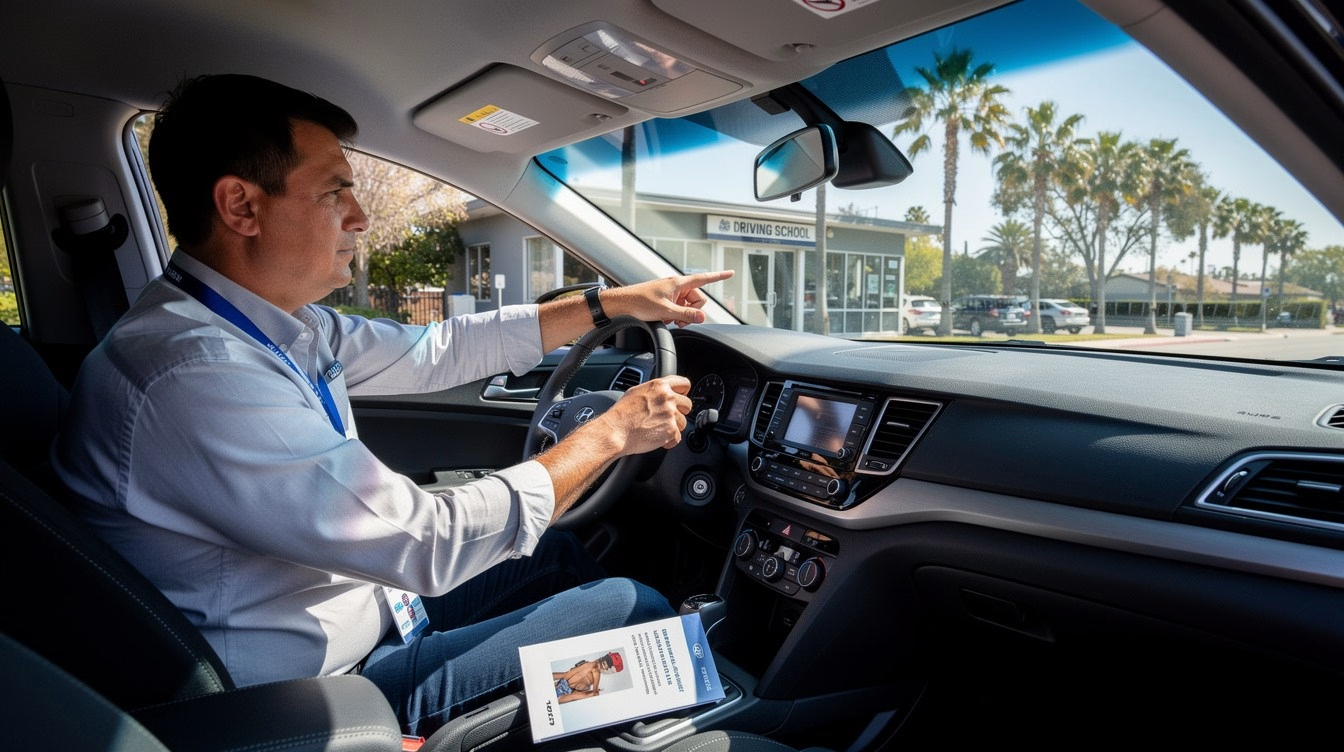
A quality driver improvement course does more than help satisfy a requirement. It can help you recognize risky patterns, refresh your knowledge of traffic laws, and practice better decision-making. For drivers with repeated citations, that structured review can turn a warning sign into a lasting change.
Online learning may be a practical fit when you need to complete an approved requirement around work, family, or school commitments. DriverEducators.com offers online driver education and traffic safety courses designed to help eligible drivers meet applicable requirements on their own schedule. Always confirm that a course is approved for your specific court, state, insurance, or licensing need before you begin.
Do not wait until the deadline is close. Completing a required program early gives you time to resolve technical issues, obtain your completion certificate if needed, and confirm that the proper agency received your record.
Track Progress, Not Just Penalties
A clean driving record is the outcome. The daily behaviors that create it are the real goal. For the next 30 days, pay attention to one or two habits connected to your prior violation rather than trying to change everything at once.
If speeding is your concern, track whether you began each trip with enough time and whether you checked your speed at roadway changes. If phone use is the issue, track how often you placed the phone out of reach before driving. A simple note on your calendar can make improvement visible.
It also helps to review any new warning signs honestly. A hard brake, an angry reaction to another driver, or repeated last-minute lane changes may not result in a ticket, but they can signal that an old pattern is returning. Correct the habit while the stakes are low.
FAQ
What does it mean to prevent repeat violations?
Preventing repeat violations means changing the driving habits that led to prior tickets, warnings, crashes, or legal requirements. The goal is safer driving and fewer future offenses.
Can a driver improvement course remove points from my record?
Sometimes, but it depends on your state and eligibility. Check with the court, DMV, or your insurance provider before enrolling because rules and point-reduction options vary.
What is the best way to stop speeding repeatedly?
Leave earlier, check your speed after every road change, and use cruise control when conditions allow. Never use cruise control in situations where weather, traffic, or road conditions require frequent speed adjustments.
Are hands-free phone calls safe while driving?
Hands-free calls may be legal in some locations, but they can still distract you. The safest option is to handle calls, texts, and app notifications after you park.
How soon should I complete a court-required driving course?
Complete it as early as possible after confirming the approved course type and deadline. Early completion gives you time to address reporting or documentation requirements.
Every trip gives you another opportunity to make the next decision less rushed, less distracted, and more deliberate. Those choices protect more than your record – they help protect everyone sharing the road.