A traffic stop can become a serious legal problem long before a driver feels obviously intoxicated. This guide to impairment laws explains how states define impaired driving, why alcohol is not the only concern, and what practical steps can help protect your license, finances, and safety.
Impairment laws vary by state, but their purpose is consistent: drivers must be able to operate a vehicle safely. Alcohol, cannabis, prescription medication, illegal drugs, and even some over-the-counter products can affect the judgment, reaction time, vision, coordination, or attention needed to drive.
What Impairment Laws Cover
Impairment laws prohibit driving when a substance has affected your normal mental or physical abilities. Most people associate these laws with DUI, which may be called driving under the influence, driving while intoxicated, operating under the influence, or driving while impaired depending on the state.
The name changes, but the risk does not. A driver can face criminal charges, administrative license action, insurance consequences, and court-ordered education when an officer and the law determine that impairment was present.
Alcohol impairment and BAC limits
Every state uses a blood alcohol concentration, or BAC, limit of 0.08% for most adult drivers. BAC measures the amount of alcohol in a person’s bloodstream. Reaching or exceeding that limit is commonly treated as a per se offense, meaning the BAC result itself can establish a violation without separate proof that the driver was visibly unsafe.
Lower limits often apply to commercial drivers and drivers under age 21. A commercial driver may face consequences at a BAC of 0.04%, while zero-tolerance laws can penalize an underage driver for a very small amount of alcohol in the system.
A BAC below 0.08% does not guarantee that a driver is legally safe. An officer may still allege impairment based on driving behavior, field sobriety tests, statements, physical observations, or other evidence. Fatigue, medication, food intake, body size, and the time between drinks can all affect how alcohol affects a person.
Drug impairment includes more than illegal drugs
Drug-impaired driving laws can apply to cannabis, cocaine, opioids, stimulants, sedatives, and other controlled substances. They can also apply to lawful prescription medications and nonprescription products when those substances affect driving ability.
A valid prescription is not always a defense to impaired driving. Medication labels may warn against driving or operating machinery, especially when a drug causes drowsiness, slowed reactions, blurred vision, dizziness, or confusion. Combining medication with alcohol can increase those effects, sometimes unexpectedly.
Cannabis deserves particular caution. State laws on possession and use differ, but driving while impaired by cannabis is unlawful everywhere. Unlike alcohol, there is no nationwide THC standard that reliably shows current driving impairment, so enforcement may rely on observations, blood testing, trained evaluations, and the circumstances of the stop.
How Impairment Is Determined
Officers generally begin with observable facts. These may include weaving, delayed braking, speeding, driving far below the speed limit, failing to use headlights, or involvement in a crash. During the stop, an officer may also note speech, eye appearance, balance, odor of alcohol, or responses to questions.
Field sobriety tests are roadside exercises intended to help an officer assess coordination, divided attention, and eye movement. Their results can become part of the evidence, but they are not the same as a chemical test. Medical conditions, injuries, uneven pavement, footwear, fatigue, and anxiety can affect performance.
Chemical testing may involve breath, blood, or urine, depending on the state and suspected substance. Breath tests are most often used for alcohol. Blood testing may be used when drugs are suspected or after a serious crash. Testing procedures, deadlines, and legal rights differ by jurisdiction, which is one reason drivers facing charges should obtain qualified legal advice promptly.
Implied consent and refusing a test
Implied consent laws generally mean that drivers who use a state’s roads agree to submit to certain chemical tests after a lawful DUI arrest or under other conditions set by state law. Refusing a test can trigger a license suspension or other administrative penalty, even if a criminal DUI charge is later reduced or dismissed.
The details matter. Some states impose longer suspensions for repeat refusals, and some allow refusal evidence to be considered in court. If you are stopped, remain calm, provide required identification, and avoid making assumptions about what a test request means for your specific case.
Penalties Can Reach Beyond a Fine
A first offense may lead to fines, probation, license suspension, ignition interlock requirements, community service, vehicle impoundment, or a required driver improvement course. A conviction can also raise insurance costs and create employment concerns, particularly for drivers who need a clean record or commercial driving privileges.
Penalties increase when aggravating factors are present. These can include a high BAC, a crash, injury, a child passenger, excessive speed, a prior offense, driving with a suspended license, or refusing a chemical test. In cases involving serious injury or death, impaired driving can lead to felony charges and incarceration.
Administrative penalties and criminal penalties are often separate. The motor vehicle agency may act against a license quickly, while the court case follows its own schedule. Missing a hearing deadline can affect driving privileges, so read every notice carefully and respond by the stated date.
A Practical Guide to Impairment Laws: Safer Decisions
The simplest way to comply with impairment laws is to decide on transportation before consuming alcohol or taking a medication that may affect driving. Arrange a sober driver, use a rideshare or taxi, stay overnight, or use public transportation where available. Do not rely on feeling fine after drinking or using cannabis.
For prescription and over-the-counter drugs, read the label and ask a pharmacist or prescribing clinician how the medication may affect driving. This is especially useful when starting a new medication, changing a dose, or combining treatments. If a medication causes drowsiness or slowed thinking, wait until you understand its effects before driving.
Drivers should also avoid stacking impairing factors. One drink, allergy medication, poor sleep, and a long nighttime drive can create more risk together than any one factor seems to create alone. Safe driving requires clear attention, not simply staying under a number.
If you received an impairment-related citation
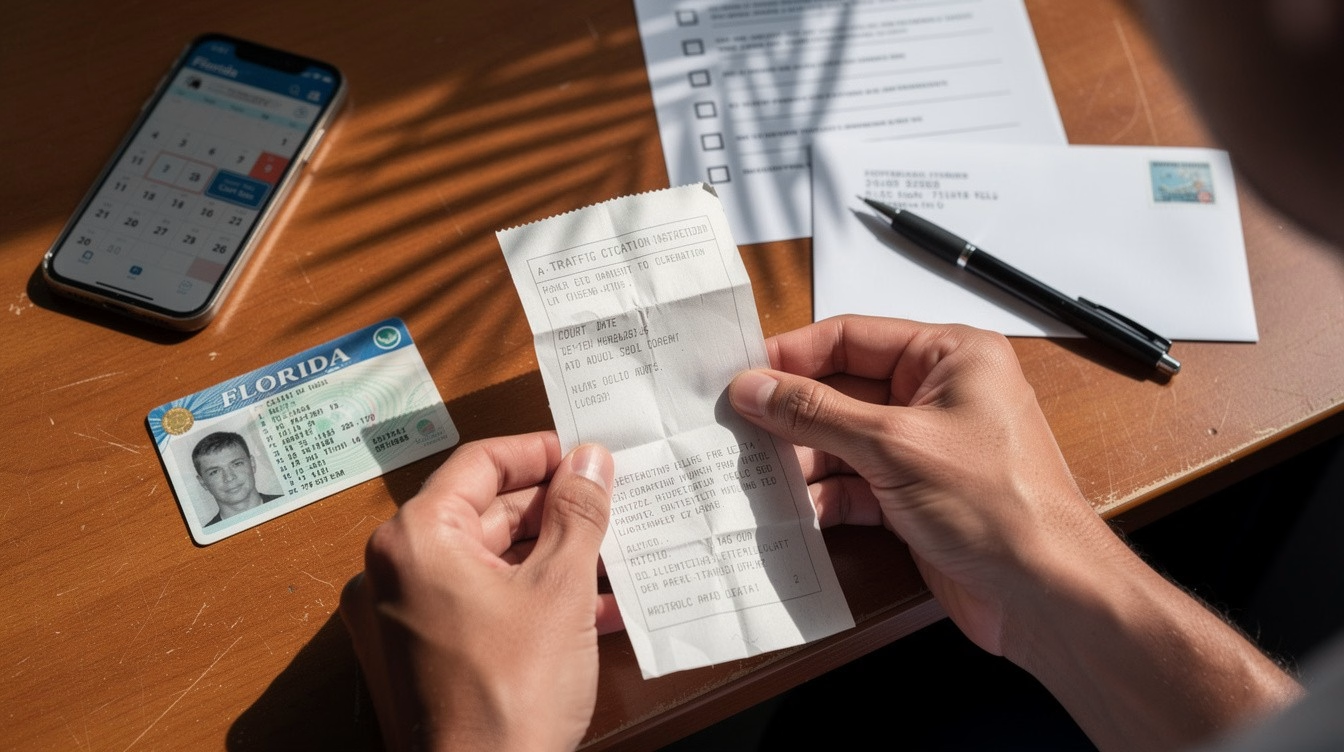
Start by reviewing the citation, arrest paperwork, court notice, and any notice from your state licensing agency. Record deadlines immediately. A court requirement, license reinstatement condition, or insurance-related requirement may call for a specific approved education program, and the course must match the order or state requirement.
Do not enroll based only on a course title. Confirm the required course length, approval status, completion deadline, and whether the provider reports completion directly. DriverEducators.com offers convenient online driver education options, but drivers should always verify that a selected course is approved for their state, court, or agency requirement.
Keep copies of enrollment records, completion certificates, and payment confirmations. If a court or agency requires proof, submitting the correct document on time is as important as completing the course itself.
FAQ About Impairment Laws
Can I get a DUI if my BAC is below 0.08%?
Yes. A BAC below 0.08% can still support an impaired-driving charge if evidence suggests alcohol or drugs affected your ability to drive safely.
Can prescribed medication lead to an impaired-driving charge?
Yes. A prescription allows lawful use of medication, but it does not permit driving while the medication impairs your abilities.
Does drinking coffee make me safe to drive?
No. Coffee may make you feel more alert, but it does not lower BAC or reverse alcohol-related impairment.
Do impairment laws apply to cannabis in states where it is legal?
Yes. Legal possession or use does not make impaired driving legal. Every state prohibits operating a vehicle while impaired by cannabis.
What should I do if I need a court-ordered driving course?
Verify the exact requirement with the court, DMV, or supervising agency first. Then choose an approved course and complete it before the deadline.
A safe choice made before you start driving is easier, less expensive, and far more protective than trying to manage the consequences of impairment after a stop or crash.