Impaired driving education in Florida isn’t optional-it’s a legal necessity if you’ve been cited for DUI or want to understand the real dangers behind the wheel. Florida’s DUI laws carry serious penalties, from license suspension to hefty fines, and the consequences only get worse with repeat offenses.
At DriverEducators.com, we’ve designed our Florida-approved traffic school programs to help you grasp why impaired driving destroys reaction time, judgment, and motor control. Our online courses break down the science and the law so you can make safer choices and stay compliant.
Florida’s DUI Laws and Penalties
Blood Alcohol Concentration Limits
Florida Statute 316.193 sets the legal limit for blood alcohol concentration at 0.08 percent for drivers aged 21 and older. Drivers under 21 face a stricter limit of 0.02 percent, while commercial drivers must stay below 0.04 percent. Law enforcement can charge you with DUI even if your BAC falls below these limits if they determine your driving ability is impaired.
First DUI Offense Consequences
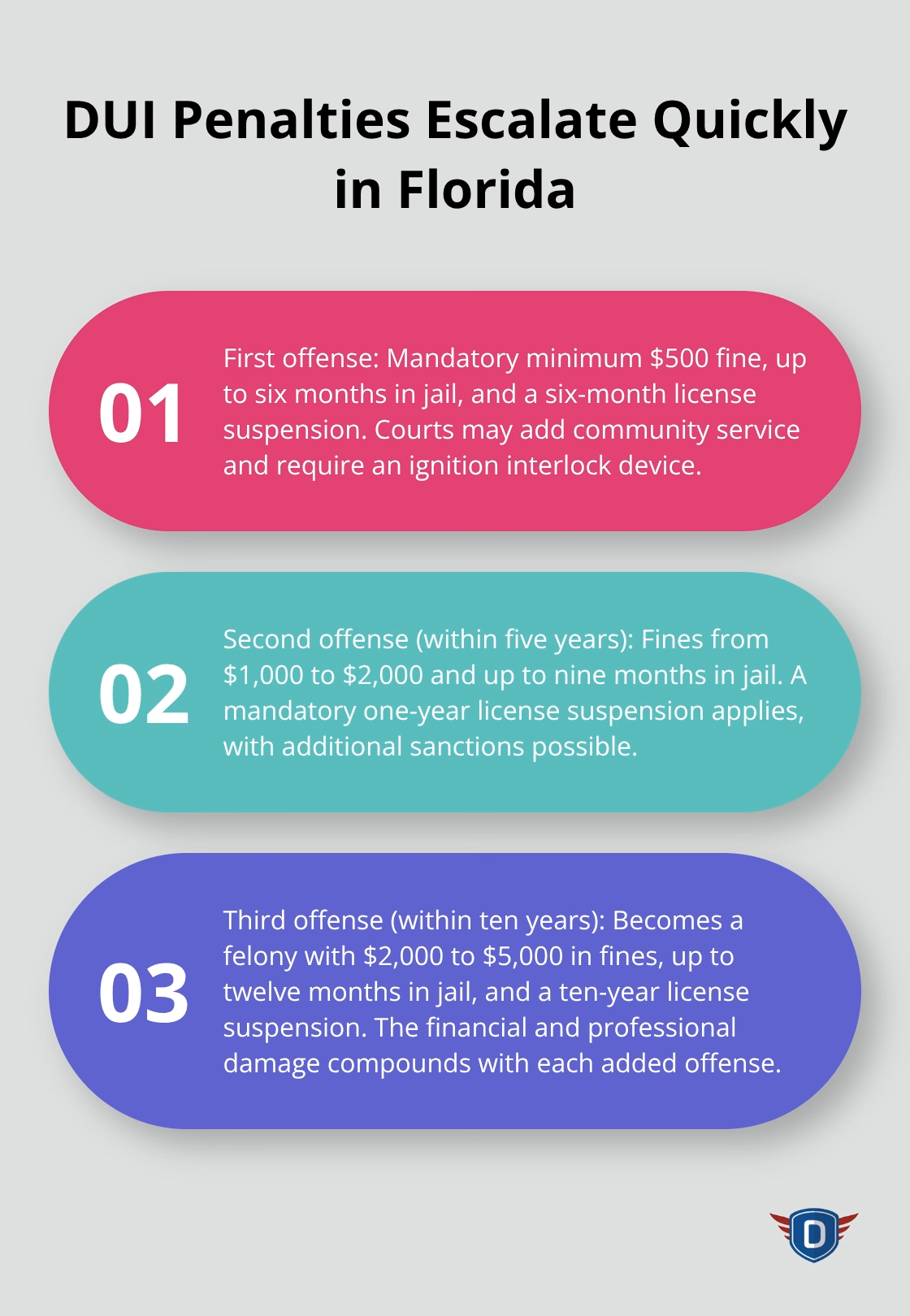
A first DUI conviction carries a mandatory minimum $500 fine, up to six months in jail, and a six-month license suspension. The court may also impose community service and require an ignition interlock device on your vehicle. These penalties apply regardless of whether your BAC was slightly over the limit or significantly higher.
Escalating Penalties for Repeat Offenses
Second convictions within five years escalate significantly, with fines reaching $1,000 to $2,000, up to nine months in jail, and a mandatory one-year license suspension. A third DUI within ten years becomes a felony charge, resulting in fines between $2,000 and $5,000, up to twelve months in jail, and a ten-year license suspension. Each additional offense compounds the financial and professional damage to your life.
Administrative License Suspension and Court Requirements
Florida’s administrative license suspension happens immediately after arrest-the FLHSMV suspends your license on a first offense, even before court proceedings conclude. You have only 10 days from arrest to request a hearing to challenge this suspension; if you do not request a hearing within 10 days, your license suspension takes effect automatically on day 11. Subsequent offenses trigger longer suspensions and mandatory ignition interlock installation. Court-ordered requirements often include DUI education programs, substance abuse treatment, and probation. These consequences stack quickly, making a second or third offense financially devastating and professionally damaging.
Understanding these penalties reveals why impaired driving education matters so much. The legal system in Florida treats impaired driving as a serious threat to public safety, and the laws reflect that reality. Your next step involves learning how impaired driving actually affects your body and brain behind the wheel.
How Impaired Driving Damages Reaction Time and Judgment
Alcohol’s Immediate Impact on Reaction Speed
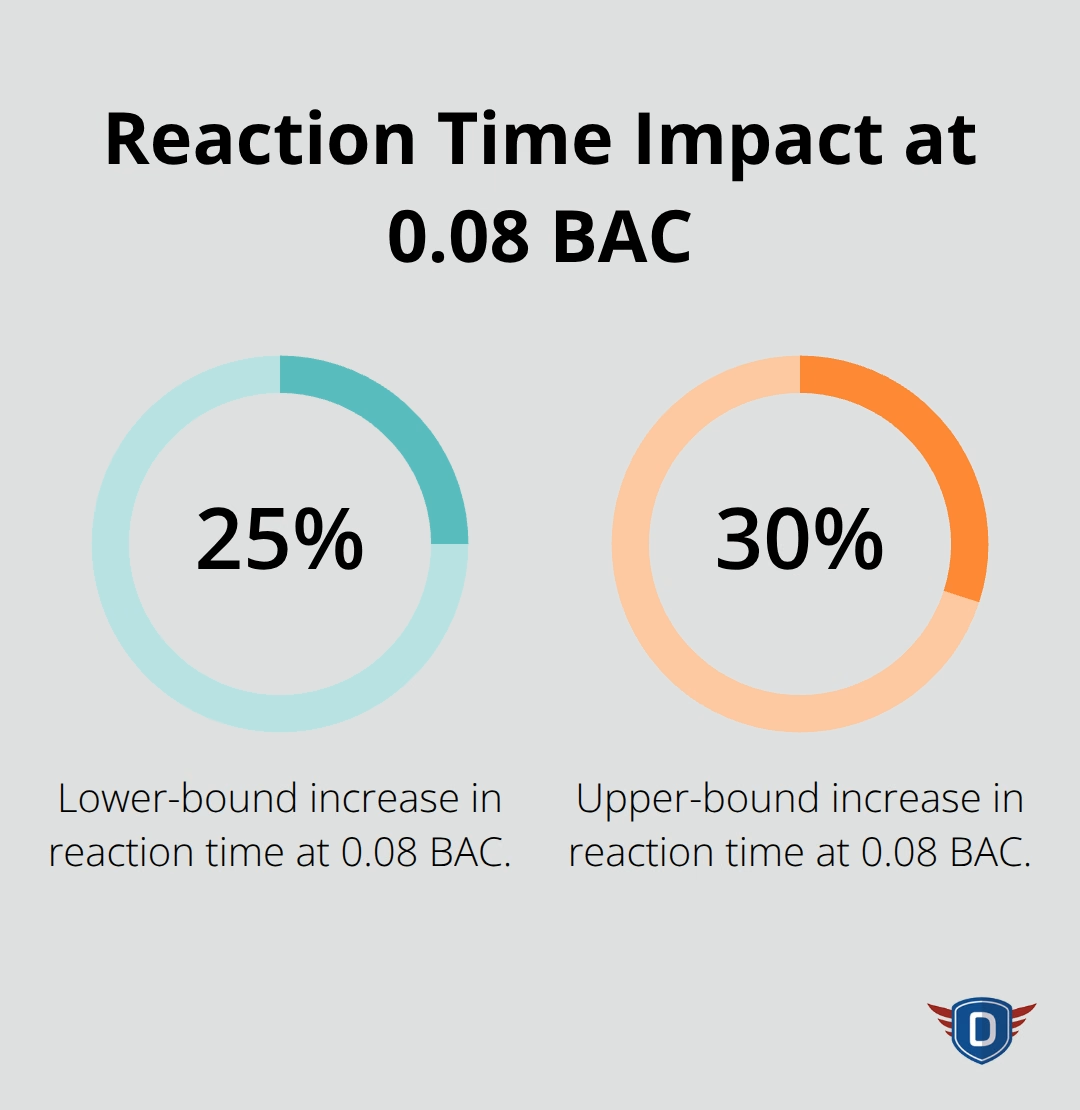
Alcohol slows your central nervous system, and the effects start long before you feel drunk. A driver with a BAC of 0.05 percent-below Florida’s legal limit of 0.08 percent-already experiences reduced ability to track moving objects and difficulty steering. At 0.08 percent, your reaction time increases by roughly 25 to 30 percent, according to research from the National Highway Traffic Safety Administration. This delay matters enormously on Florida highways, where a split-second decision determines whether you avoid a collision or cause one.
A car traveling at 55 miles per hour covers 80 feet per second, so losing even half a second of reaction time means traveling an additional 40 feet before you can brake or swerve. That extra distance transforms a near-miss into a crash.
How Impairment Destroys Risk Assessment
Judgment deteriorates faster than most drivers realize. Alcohol impairs your ability to assess risk, which means impaired drivers consistently underestimate danger and overestimate their control. You might think you’re driving safely when your actual performance has declined significantly.
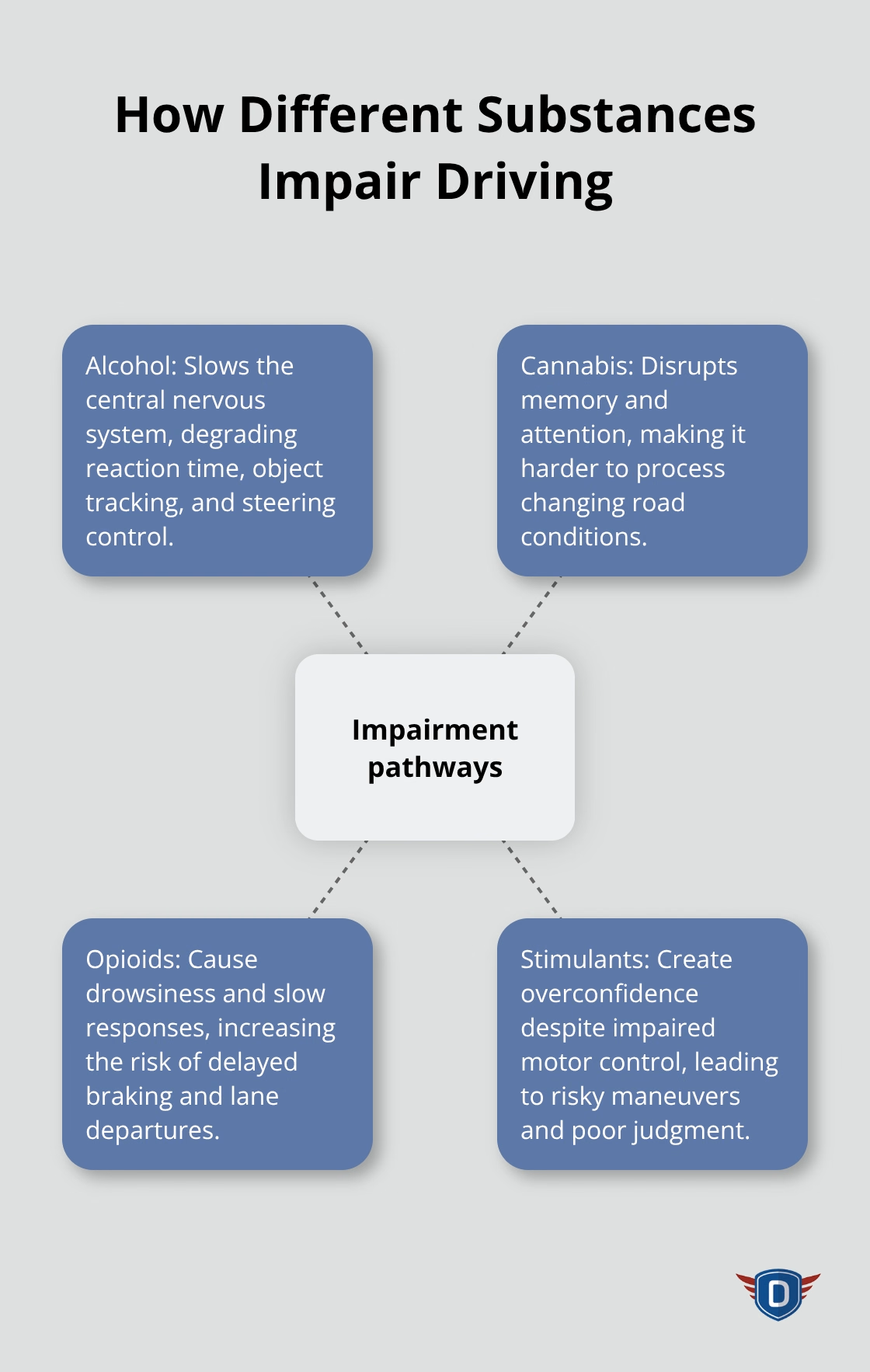
Drugs compound this problem differently than alcohol. Cannabis affects memory and attention, opioids cause drowsiness and slow responses, and stimulants like methamphetamine create overconfidence despite impaired motor control. Each substance attacks your judgment through different mechanisms, but all produce the same result: dangerous decisions behind the wheel.
Real Consequences on Florida Roads
Florida crash data from 2022 showed that 28 percent of fatal traffic crashes involved impaired drivers. These numbers represent real consequences of the judgment and motor control failures that impairment causes.
Motor Control Breakdown and Physical Impairment
Motor control deteriorates as alcohol affects your cerebellum, the brain region responsible for balance, coordination, and fine muscle movements. Your hands shake, your steering becomes jerky, and maintaining consistent speed becomes difficult. Impaired drivers drift between lanes, brake erratically, and struggle with the coordinated movements required for safe acceleration and deceleration.
This physical degradation combines with poor judgment to create the dangerous conditions that lead to collisions, injuries, and fatalities on Florida roads. Understanding these biological changes reveals why impaired driving education addresses both the science and the law-your body and brain cannot perform the tasks that safe driving demands.
Why Our Impaired Driving Courses Matter More Than Generic Traffic School
Science-Based Education That Actually Works
Understanding impaired driving requires more than reading a statute or watching a generic video. We at DriverEducators.com built our impaired driving prevention courses specifically to address Florida’s DUI crisis with practical, science-based education that sticks. Our Florida-approved curriculum goes beyond legal compliance and actually teaches you why your body fails you behind the wheel. When you complete our Basic Driver Improvement or Intermediate Driver Improvement course, you’re not just checking a box for the court or insurance company-you’re learning how alcohol and drugs disrupt the exact functions that keep you alive on the road.
Connecting Biology to Real Decisions
The course material connects the biology you learned earlier in this guide directly to real decisions you’ll make. You’ll understand why that 25 to 30 percent reaction time delay at 0.08 BAC isn’t just a number, it’s the difference between avoiding a collision and causing one on a Florida highway. Our instructors integrate current crash data to make the stakes tangible. The curriculum also addresses drugs beyond alcohol-cannabis, opioids, and stimulants-because Florida’s impaired driving problem isn’t limited to alcohol alone. Each course module shows you exactly how these substances attack different parts of your brain and body, so you can recognize impairment in yourself and others.
Clear, Direct Content Structure
We’ve structured the content in short, digestible sections because impaired driving education works best when it’s clear and direct, not buried in legal jargon or theoretical explanations. Our online, self-paced format means you can take the course on your schedule, whether you’re working full-time, managing family responsibilities, or juggling multiple commitments. The courses are available in English, Spanish, and Portuguese, removing language barriers that prevent many Florida drivers from accessing quality education.
Flexible Learning and Automatic Compliance
You complete the material from any device-phone, tablet, or computer-and your certificate reports directly to the Florida Department of Highway Safety and Motor Vehicles, eliminating paperwork headaches. Upon completion, you receive your certificate electronically, and we handle the FLHSMV reporting automatically. The practical advantage is significant: you satisfy court requirements, reduce insurance points, and gain genuine understanding of impaired driving dangers without wasting time on filler content. This combination of legal compliance and real education is what separates effective impaired driving prevention from the checkbox approach that most drivers experience.
Final Thoughts
Florida’s DUI laws impose serious financial, legal, and personal consequences that extend far beyond a single mistake. A first offense costs thousands in fines and legal fees, strips your driving privileges for months, and damages your insurance rates for years. Repeat offenses escalate into felony charges that destroy careers and limit employment opportunities.
Impaired driving education Florida programs address both the legal and biological dimensions of this problem. When you understand how a 0.08 BAC slows your reaction time by 25 to 30 percent, or how cannabis impairs memory and attention, you make better choices before you get behind the wheel. Knowledge shifts behavior in ways that generic traffic school cannot achieve.
Visit DriverEducators.com to enroll in a course that fits your situation. Whether you satisfy a court requirement, reduce insurance points, or commit to safer driving habits, our online, self-paced format works around your schedule. Certificates report directly to the Florida Department of Highway Safety and Motor Vehicles, and courses are available in English, Spanish, and Portuguese.